Your Cart is Empty


Remember when gym equipment was basically a bunch of chrome machines that locked you into fixed movements? Those days are as outdated as workout leg warmers (though we won't judge if you still rock them). The fitness world has evolved, and functional fitness equipment has taken center stage because, let's face it, life doesn't happen on a leg extension machine. Whether you're hauling groceries, playing with your kids, or chasing after your dog who just stole your sandwich, you need strength and mobility that actually works in the real world.
Here's the thing about functional fitness equipment: it's designed to make you better at life, not just better at using more gym equipment. Unlike traditional machines that isolate single muscle groups, functional training equipment challenges your body to work as an integrated system, just like it does when you're navigating actual human activities.
Traditional gym equipment often gets a bad rap these days, but it's not entirely fair. Those machines have their place, especially for rehabilitation or targeted muscle building. However, functional fitness equipment takes a different approach entirely.
Functional fitness equipment works multiple muscle groups simultaneously while improving coordination, balance, and real-world strength. Think about picking up a heavy box from the floor. You're not just using your legs or your back in isolation. You're engaging your core, stabilizing with your shoulders, coordinating your breath, and maintaining balance. That's functional movement, and the equipment designed for it reflects that complexity.
The beauty of this approach is its versatility. You can:
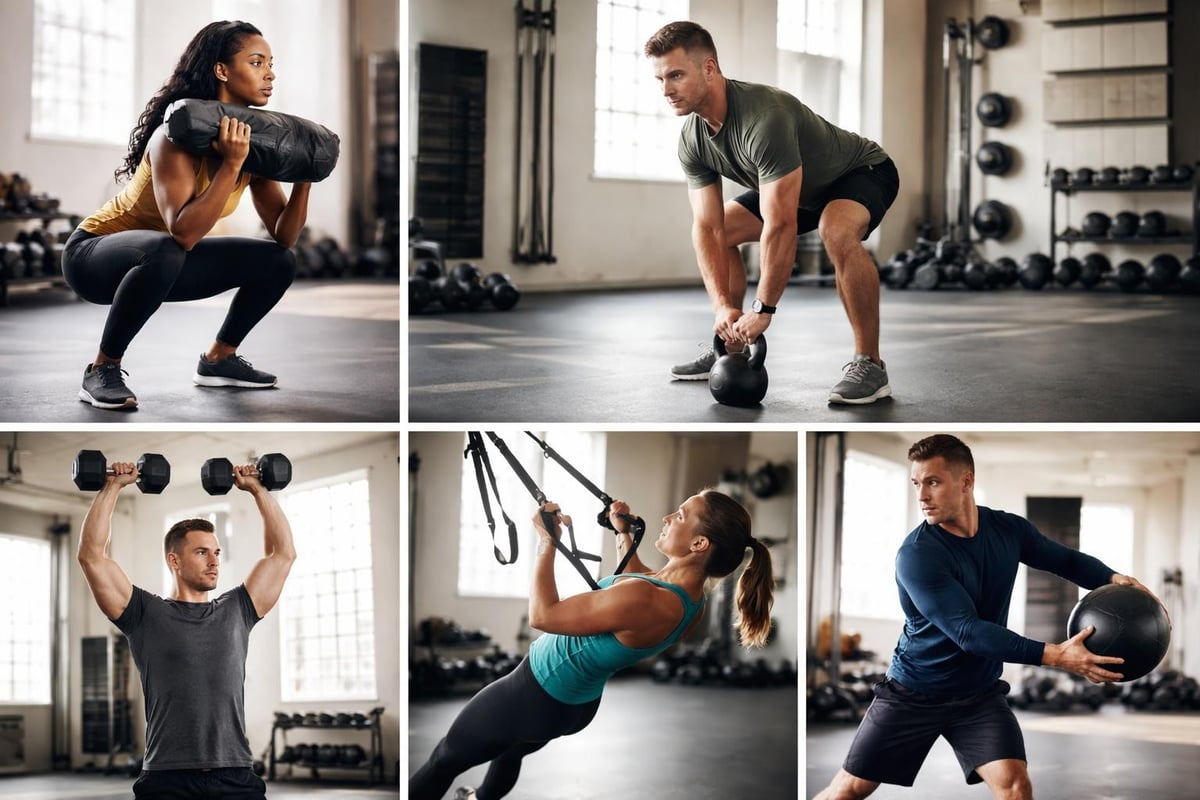
Let's break down the heavy hitters in the functional fitness world. The National Exercise & Sports Trainers Association provides excellent guidance on selecting the right equipment for different training goals.
Resistance bands are the unsung heroes of functional fitness equipment. They're lightweight, affordable, and incredibly versatile. Unlike weights that rely on gravity, bands provide variable resistance throughout the entire range of motion, which means your muscles work differently at every point in the movement.
Suspension trainers take this concept up a notch by using your body weight as resistance while forcing you to stabilize constantly. You can't cheat on these bad boys. Your core has to fire up just to maintain position, making even simple exercises surprisingly challenging.
| Equipment Type | Primary Benefits | Best For | Portability |
|---|---|---|---|
| Resistance Bands | Variable resistance, joint-friendly | Mobility, rehab, travel workouts | Excellent |
| Suspension Trainers | Full-body integration, scalable difficulty | Strength, stability, versatility | Very Good |
| Kettlebells | Dynamic movements, cardio-strength combo | Power, conditioning | Moderate |
| Medicine Balls | Rotational power, partner work | Athletes, functional circuits | Good |
Dumbbells and kettlebells deserve their spot in any functional fitness setup, but the way you use them matters. A kettlebell swing isn't just an exercise. It's a full-body power movement that trains your posterior chain, improves hip mobility, and builds explosive strength that transfers to jumping, running, and quick directional changes.
Kettlebells specifically excel at dynamic movements that traditional dumbbells can't match. The offset weight distribution forces your body to stabilize in ways that dumbbells don't, making them perfect for functional training. Plus, they look way cooler, which scientifically makes you 47% stronger (okay, we made that stat up, but you get the point).
Here's where many people miss the boat entirely. Functional fitness equipment isn't just about what makes you sweat. Recovery tools like foam rollers play a crucial role in maintaining the mobility and tissue quality needed for functional movement.
Recovery equipment helps you:
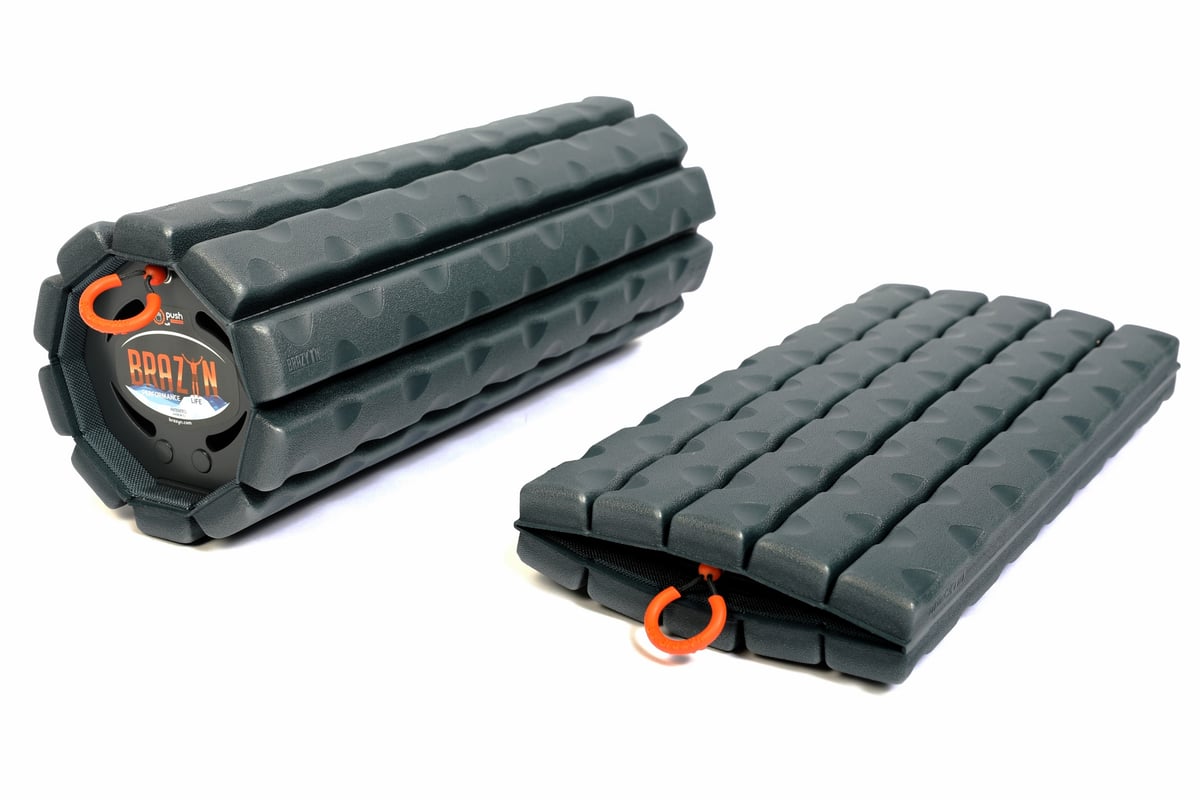
The Morph Foam Roller revolutionizes this category by being the first truly portable professional-grade foam roller. Whether you're traveling for work, heading to the gym, or just don't want a giant foam cylinder taking up half your living room, having recovery tools that fit your lifestyle means you'll actually use them consistently.
You don't need to drop thousands of dollars to create an effective functional training setup. Smart equipment selection trumps a garage full of dust-gathering machines every single time. Start with versatile pieces that offer multiple training options, then expand based on your specific goals and available space.
For apartment dwellers and beginners, focus on equipment that delivers maximum versatility in minimum space. You can build an incredibly effective functional training program with just a few key pieces. Understanding multi-functional gym equipment helps you make smarter purchasing decisions.
A solid minimalist setup includes:
This setup costs less than three months of gym membership but provides unlimited functional training possibilities. You can perform hundreds of exercises, scale difficulty up or down, and pack everything except the dumbbells into a small bag.
If you have dedicated space and budget, you can create a phenomenal functional training environment. The key is choosing equipment that complements each other rather than duplicating functions. Advantage Fitness offers detailed guidance on building comprehensive functional training spaces.
Intermediate to advanced setups might include:
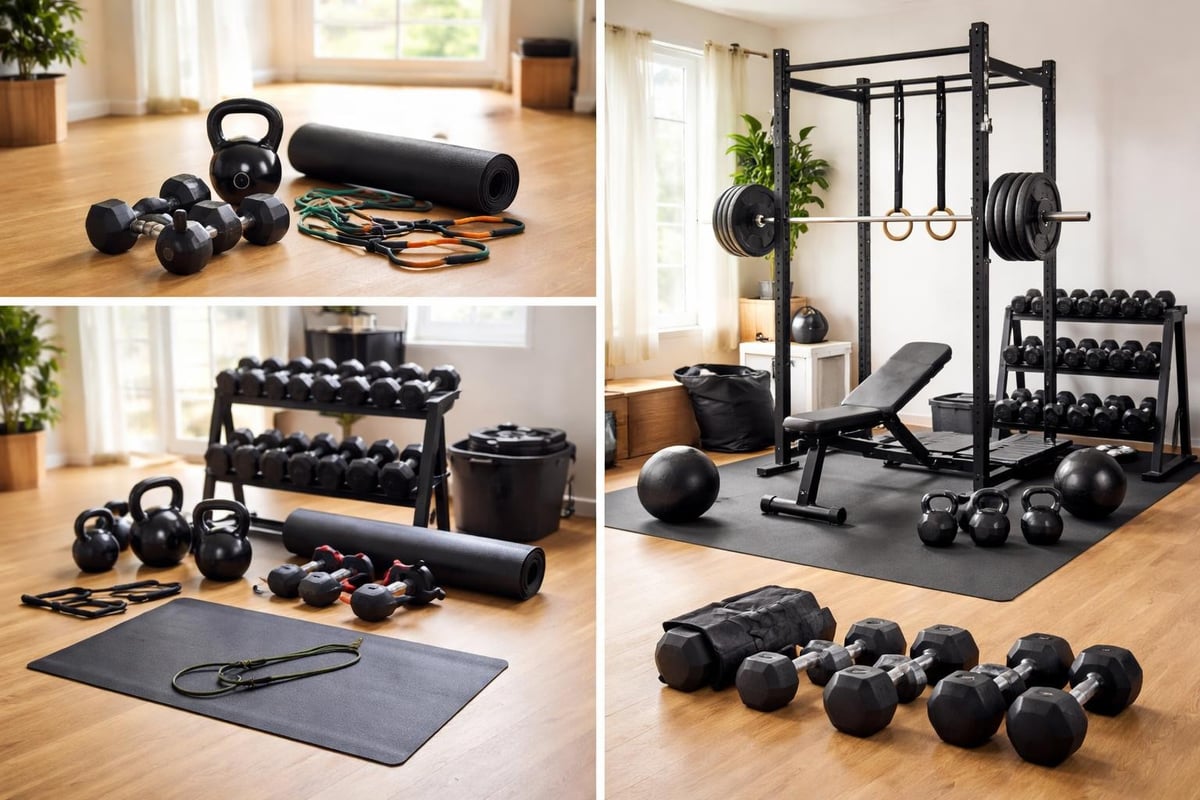
The beauty of this approach is scalability. You can start small and add pieces over time as your training evolves. Unlike machine-based gyms that require massive upfront investment, functional fitness equipment lets you grow your setup organically.
Not all functional fitness equipment is created equal, and the market is flooded with cheap knockoffs that break after three uses. Here's how to separate the wheat from the chaff without needing an engineering degree.
Look for equipment built with high-quality materials that can withstand repeated use. Resistance bands should be made from natural latex or high-grade synthetic rubber, not the cheap stuff that snaps mid-exercise and leaves you with a nasty welt. Kettlebells should have smooth handles without seams that tear up your hands. Foam rollers need firm, durable foam that maintains its shape over time.
Testing durability before purchase isn't always possible, but you can research brands with solid reputations and warranty policies. Companies that stand behind their products with real warranties (not the "90-day limited" nonsense) usually produce better equipment. When exploring workout equipment options, prioritize brands that focus on innovation and quality over cheap mass production.
The 2026 fitness landscape values portability more than ever. We're busier, we travel more, and we want equipment that fits our lifestyle rather than requiring us to build our life around it. This doesn't mean sacrificing quality or effectiveness.
Key portability features include:
Modern dream chasers need equipment that moves with them. Whether you're training at home, in a hotel gym, at the park, or in your office (we won't tell your boss), having portable functional fitness equipment removes excuses and keeps you consistent.
Buying quality equipment is step one. Actually using it effectively is where the magic happens. Too many people collect exercise equipment like it's going to display itself at a museum. Your kettlebell doesn't care how pretty it looks gathering dust in the corner.
Start with fundamental movement patterns rather than random exercises. The human body moves in specific ways: squatting, hinging, pushing, pulling, rotating, and carrying. Your functional fitness equipment should support training these patterns in various planes of motion.
A well-designed functional training program includes:
According to research on functional training principles, the most effective programs emphasize movement quality over quantity and progressively increase complexity as competency improves.
Just because you're training functionally doesn't mean you abandon progressive overload. You still need to challenge your body with increasing demands over time. The difference is how you apply that principle.
| Progression Method | How to Apply | Equipment Examples |
|---|---|---|
| Increase Resistance | Add band tension, heavier weights | Bands, kettlebells, dumbbells |
| Reduce Stability | Unstable surfaces, single-leg work | Suspension trainers, balance tools |
| Increase Complexity | Combine movements, add rotation | Medicine balls, landmines |
| Extend Time Under Tension | Slower tempos, longer sets | Bodyweight, bands, light weights |
| Decrease Rest Periods | Circuit training, complexes | All equipment types |
The beauty of functional fitness equipment is that progression doesn't always require buying heavier weights. You can make bodyweight exercises brutally difficult by adjusting leverage, stability, or tempo. That's efficiency at its finest.
The functional fitness equipment market continues to evolve rapidly. Market research indicates strong growth driven by increased consumer awareness and the rise of home training. We're seeing innovations that combine traditional functional training with modern technology and design thinking.
Smart equipment integration is becoming more sophisticated without being gimmicky. We're not talking about screens that charge you monthly fees to use your own dumbbells. Instead, innovations focus on solving real problems like portability, space efficiency, and versatility.
Current trends include:
The growing popularity of functional fitness is driving manufacturers to think beyond traditional equipment designs. This benefits consumers with better products that actually solve real-world training challenges.
Quality functional fitness equipment should last years, not months. The environmental impact of cheaply made equipment that ends up in landfills is significant. Investing in durable, well-made pieces reduces waste while saving money long-term.
Look for companies that prioritize sustainable practices, use recyclable materials when possible, and design products for longevity rather than planned obsolescence. The fitness industry is slowly catching up to other sectors in environmental responsibility, and supporting brands that care about sustainability pushes the entire market in a better direction.
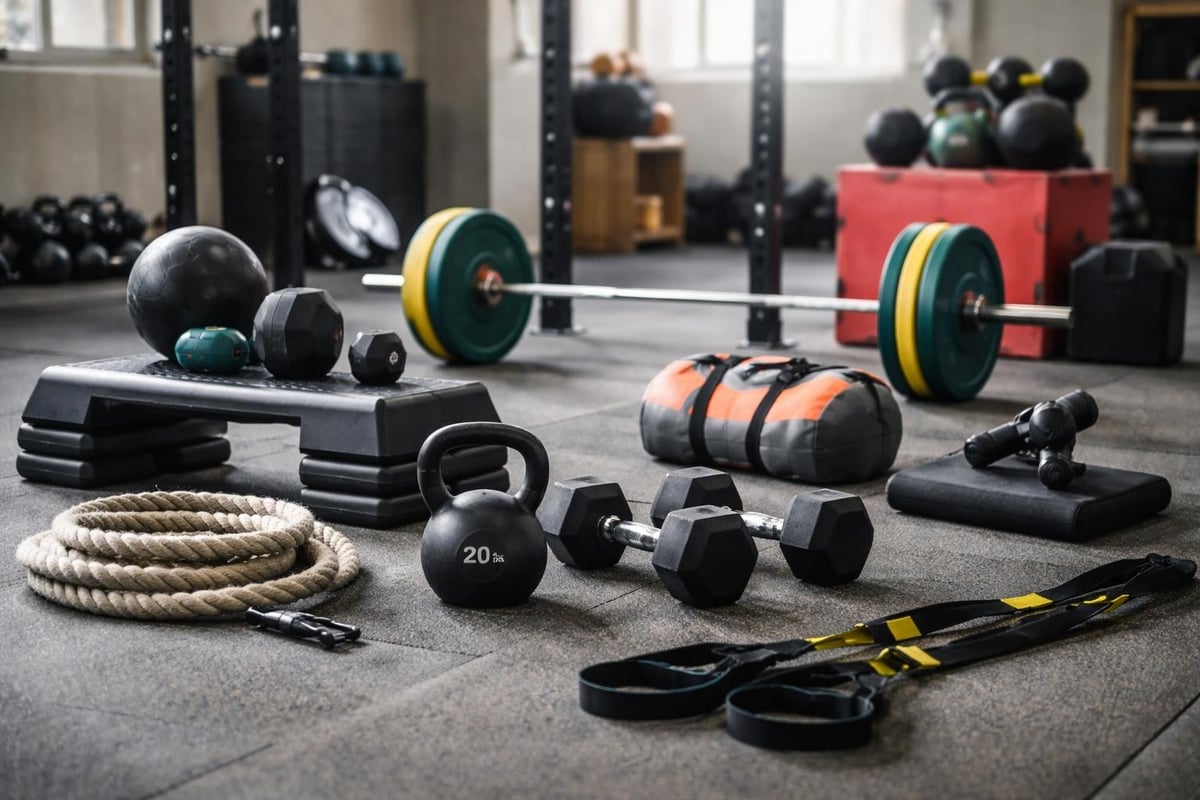
Let's talk about the elephant in the room (or more accurately, the unused treadmill that's now an expensive clothes hanger). People make predictable mistakes when building their functional training arsenal, and most of them are totally avoidable.
Buying everything at once rarely leads to consistent training. It's overwhelming, expensive, and often results in a garage full of equipment you don't use. Start with essentials, master those tools, then thoughtfully expand based on actual training needs rather than impulse purchases.
Many beginners also fall into the "latest gadget" trap. That weird-looking contraption promising to "revolutionize your core" probably won't. Stick with proven functional fitness equipment that has stood the test of time before chasing trends.
Are you someone who loves structured programs or prefers intuitive movement? Do you train alone or with partners? What's your available space? These factors dramatically impact which functional fitness equipment makes sense for you.
Your equipment should support your training style, not force you into someone else's approach. If you hate kettlebell flows, don't buy kettlebells because some influencer says you should. Find functional fitness equipment that excites you to train consistently. Consistency beats perfection every single time.
This might be the biggest mistake of all. People spend hundreds on training equipment but balk at investing in quality recovery tools. That's backwards. The equipment that helps you recover, maintain mobility, and prevent injury directly impacts your ability to use all that other gear effectively.
Recovery tools like foam rollers, massage guns, and mobility aids aren't optional accessories. They're essential functional fitness equipment that keeps you training long-term. Brazyn Life's collection demonstrates how quality recovery tools can be both effective and portable, removing the excuse that you don't have room for proper recovery equipment.
At the end of the day, the best functional fitness equipment is the stuff you actually use. That fancy suspension trainer gathering dust isn't doing you any favors, no matter how many five-star reviews it has. The key is creating a setup that fits seamlessly into your lifestyle rather than requiring you to completely rearrange your life around training.
You don't need a dedicated home gym to train functionally. A corner of your living room, bedroom, or even outdoor space works perfectly. The minimal footprint of most functional fitness equipment means you can set up, train, and pack away in minutes.
Consider your training environment:
Small spaces require smart solutions. Look for functional fitness equipment that serves multiple purposes, stores efficiently, and sets up quickly. The goal is reducing friction between "I should work out" and actually doing it.
Start with a realistic assessment of your schedule and energy levels. If you're not a morning person, don't build a program that requires you to train at 5 AM. Set yourself up for success by designing a routine that works with your natural rhythms and commitments.
Many people find success with:
The equipment you choose should support this structure. Versatile pieces that allow quick transitions between exercises keep sessions flowing and prevent that "standing around wondering what to do next" problem.
Functional fitness equipment has transformed from a niche training approach to the foundation of effective, real-world strength development. By choosing versatile, quality pieces that support fundamental movement patterns, you can build a training setup that improves how you move through life, not just how much you can lift. Ready to upgrade your training with equipment that works as hard as you do? Discover how Brazyn Life creates innovative, portable functional fitness solutions for modern dream chasers who refuse to let life get in the way of staying strong and mobile.
