Your Cart is Empty


You know that feeling when you wake up the morning after leg day and your quads are screaming at you for mercy? Or when your IT band feels tighter than a drum and every step is a reminder of yesterday's workout? That's where good foam rollers come to the rescue. These cylindrical miracle workers have gone from niche physical therapy tools to must-have gear for anyone who moves their body regularly. Whether you're a weekend warrior, a competitive athlete, or someone who just wants to touch their toes without grimacing, understanding what makes foam rollers effective can transform your recovery game.
The science behind foam rolling is pretty fascinating. When you roll out your muscles, you're essentially giving yourself a deep tissue massage that helps break up adhesions and trigger points in your fascia. Harvard Health explains that this self-myofascial release technique can reduce muscle tension and improve flexibility, making it a valuable tool for both pre-workout preparation and post-workout recovery.
Good foam rollers apply consistent pressure to your soft tissue, which increases blood flow to the area and helps flush out metabolic waste that builds up during exercise. Think of it like wringing out a sponge, except the sponge is your muscles and the water is all the gunk that makes you sore.
Not all foam rollers are created equal, and understanding the essential features helps you spot the good ones:
The density sweet spot varies by experience level. Beginners typically do better with softer rollers that provide gentle pressure, while experienced users often prefer firmer options that dig deeper into muscle tissue.
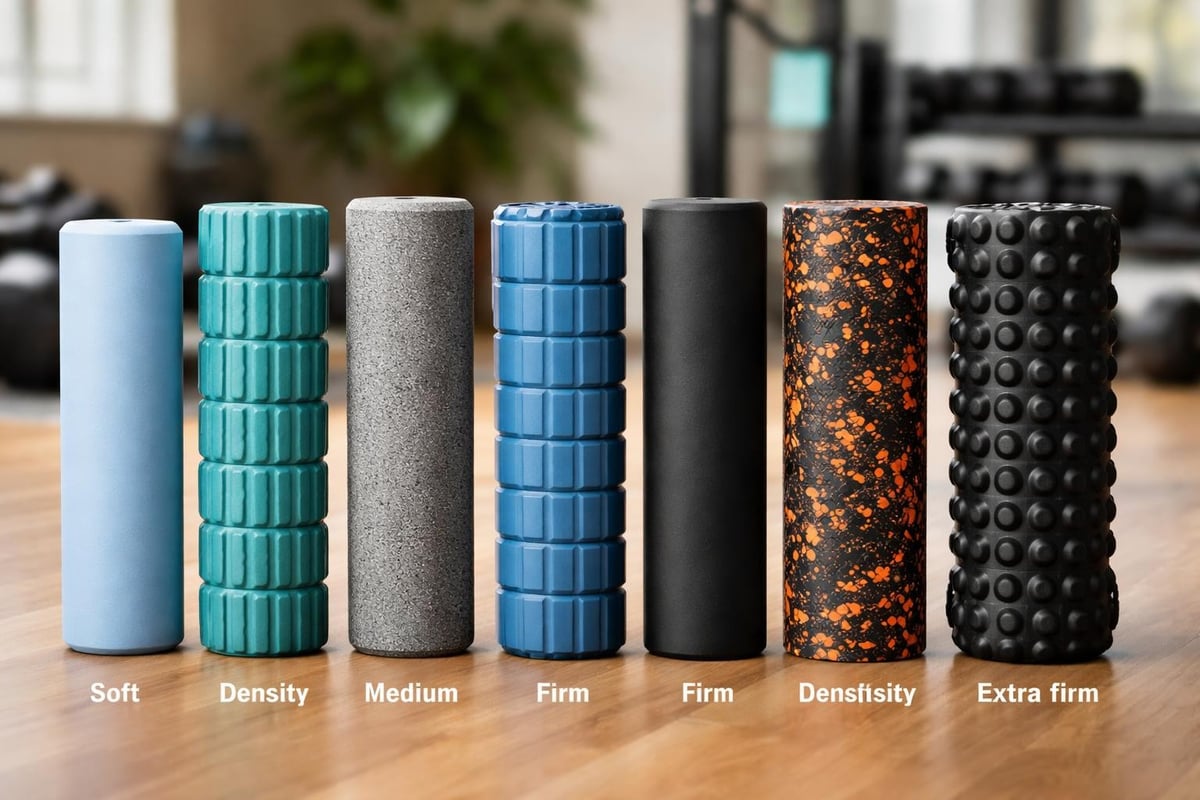
Here's where things get interesting. The "best" foam roller isn't universal because your neighbor who runs ultramarathons has different needs than your friend who does yoga twice a week. According to research published in Nature's Scientific Reports, different types of foam rollers show varying effectiveness in supporting muscle recovery, which means matching the tool to your specific activity matters.
| Feature | Standard Rollers | Textured Rollers | Vibrating Rollers | Collapsible Rollers |
|---|---|---|---|---|
| Best For | General use | Deep tissue work | Enhanced recovery | Travel and storage |
| Intensity | Moderate | High | Variable | Moderate to high |
| Price Range | $ | $$ | $$$ | $$ |
| Portability | Low | Low | Low | High |
Standard foam rollers work beautifully for everyday rolling. They're affordable, effective, and get the job done without fuss. Textured rollers with ridges or knobs provide more targeted pressure, mimicking a sports massage therapist's hands. Vibrating rollers add another dimension by combining pressure with vibration therapy, though they come with a heftier price tag.
Then there's the game-changer for people who actually want to use their foam roller consistently: collapsible designs. If you've ever skipped a rolling session because your roller was in the garage or you couldn't fit it in your suitcase, you know exactly why portability matters. Modern innovations have made it possible to get professional-grade foam rolling that doesn't require dedicating half your closet to storage.
Let's cut through the marketing hype and focus on what good foam rollers genuinely deliver. The Cleveland Clinic confirms that foam rolling offers legitimate benefits for muscle recovery, but it's not magic. It's a tool that works when you use it correctly and consistently.
Reduced Muscle Soreness: That delayed onset muscle soreness (DOMS) that makes you walk like a baby deer for three days? Foam rolling won't eliminate it entirely, but research shows it can significantly reduce its intensity and duration.
Improved Range of Motion: Regular foam rolling helps maintain and improve flexibility. The American Council on Exercise notes that this enhanced joint range of motion happens without the strength decreases sometimes associated with static stretching.
Better Athletic Performance: When your muscles aren't tight and restricted, they can fire more efficiently. A study discussed in Bicycling magazine highlights how foam rolling can positively impact both recovery and subsequent performance.
Good foam rollers have shown promise in managing various types of musculoskeletal pain. A systematic review in BMC Musculoskeletal Disorders evaluated foam rolling's impact on pain intensity, finding meaningful benefits for people dealing with chronic muscle discomfort.
The key is consistency. Rolling once in a blue moon won't cut it, but incorporating it into your regular routine can make a noticeable difference in how you feel day to day.
Owning a foam roller doesn't automatically make you a foam rolling expert. Technique matters, and doing it wrong ranges from ineffective to potentially uncomfortable. The Hospital for Special Surgery provides excellent guidance on proper foam roller exercises for different muscle groups.
Start at one end of the muscle and slowly roll toward the other end, pausing on any particularly tender spots. When you find a trigger point (you'll know it when you feel it), hold steady pressure for 20-30 seconds until the sensation diminishes.
Quadriceps: Position the roller under your thighs and use your forearms to support your upper body. Roll from just above the knee to the hip crease.
IT Band: Lie on your side with the roller under your outer thigh. This one can be spicy, so start gentle.
Calves: Sit with the roller under your calves, hands behind you for support. Cross one leg over the other for increased pressure.
Upper Back: Place the roller under your upper back, support your head with your hands, and gently roll the thoracic spine area.
For those seeking convenience without compromising quality, The Morph collapsible foam roller delivers professional-grade results while folding flat for easy transport. Whether you're heading to the gym or packing for a business trip, having your recovery tool readily available means you're more likely to actually use it consistently.
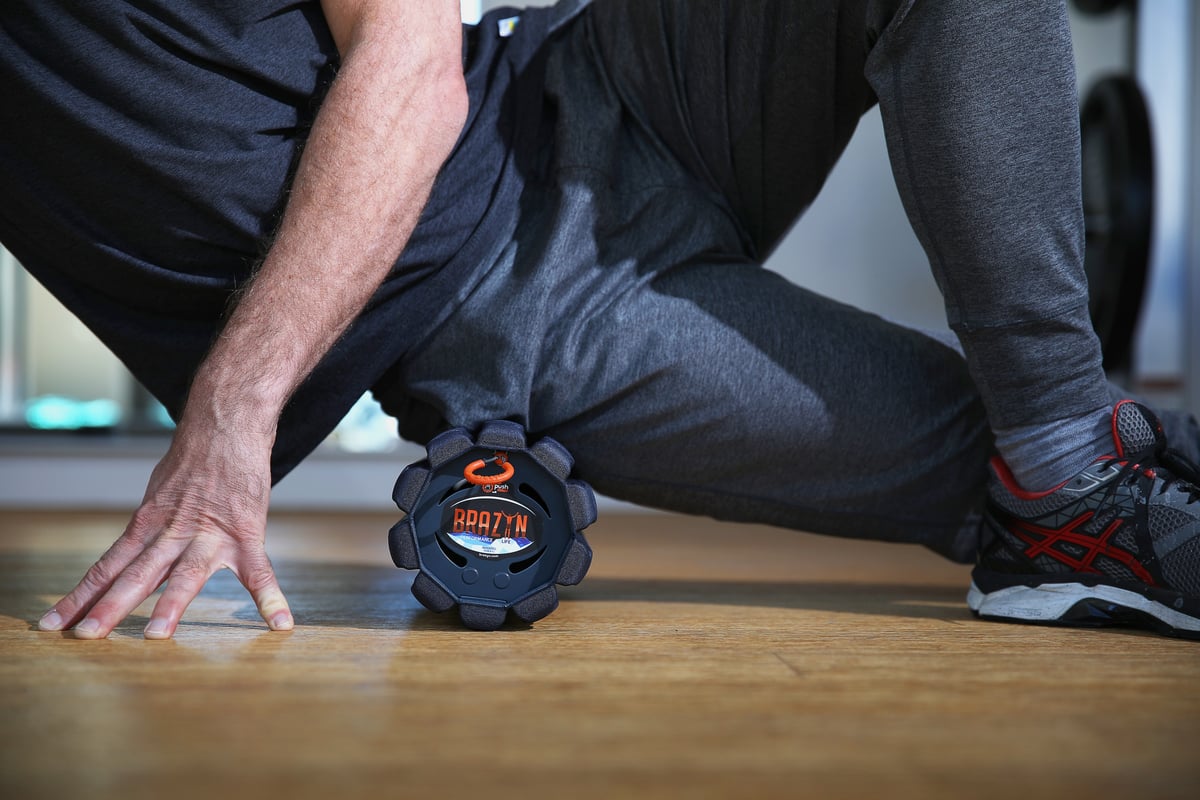
Once you've mastered the fundamentals, good foam rollers can do so much more than basic muscle massage. Outside Online showcases innovative exercises that use foam rollers for building strength and stability, challenging the notion that they're only for recovery.
Plank with Feet on Roller: This variation adds instability to the classic plank, firing up your core and improving balance.
Single-Leg Glute Bridge: Place one foot on the roller and perform a glute bridge. The unstable surface forces your stabilizer muscles to work overtime.
Pike Roll-Outs: Start in a plank with shins on the roller, then pull your knees toward your chest. Hello, abs.
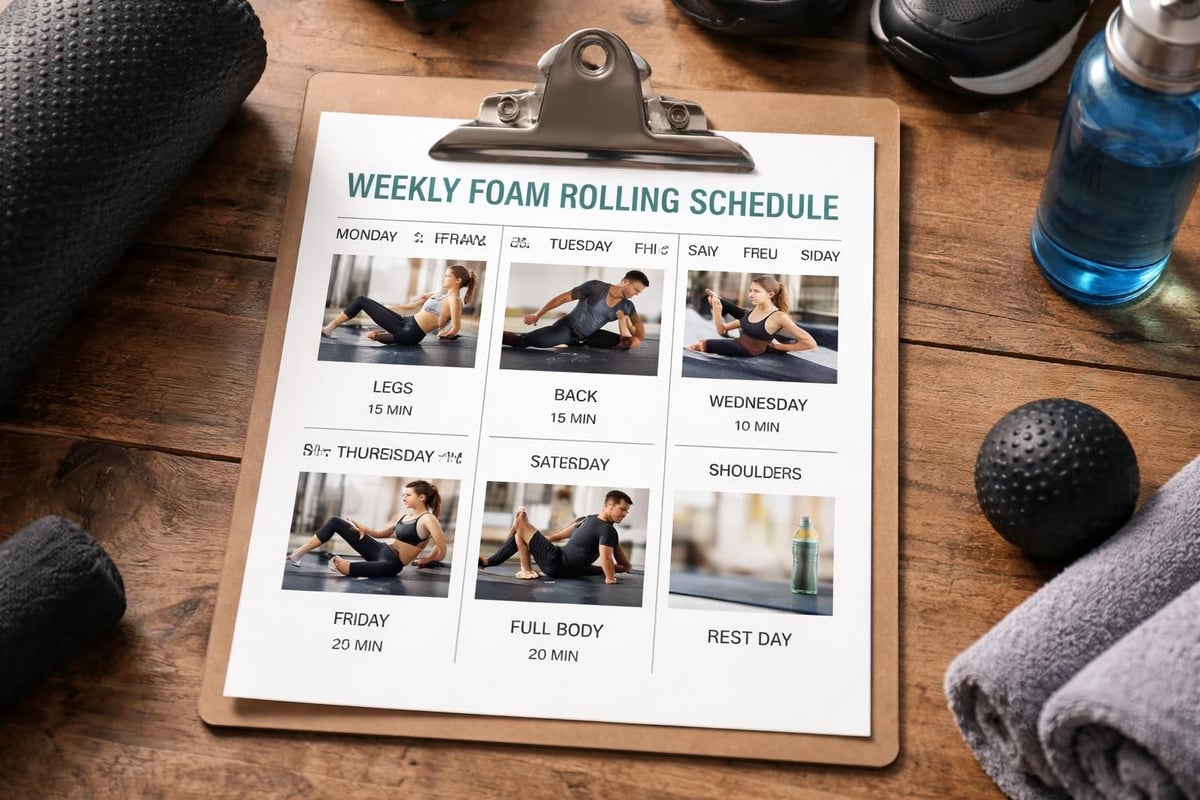
Consistency beats intensity every time. Here's a sample weekly schedule that balances recovery with practical time constraints:
| Day | Focus Area | Duration |
|---|---|---|
| Monday | Legs (post-workout) | 10 minutes |
| Tuesday | Upper body and back | 8 minutes |
| Wednesday | Full body (light) | 12 minutes |
| Thursday | Problem areas only | 5 minutes |
| Friday | Legs (pre-weekend activities) | 10 minutes |
| Saturday | Active recovery session | 15 minutes |
| Sunday | Rest or gentle rolling | 5-10 minutes |
Feel free to adjust based on your training schedule and how your body feels. The best foam rolling routine is the one you'll actually do.
Good foam rollers should last for years, not months. Cheap foam rollers have a nasty habit of developing flat spots, losing their firmness, or even cracking after regular use. That's why understanding material construction matters for both performance and value.
EVA Foam: This high-density foam maintains its shape exceptionally well and provides firm, consistent pressure. It's the gold standard for serious users.
Polyethylene Foam: Lighter and softer than EVA, it works well for beginners but may compress faster with heavy use.
Hollow Core Construction: Many quality rollers feature a solid inner core wrapped in foam. This design prevents the dreaded flat spot syndrome and provides reliable support even under body weight.
If you're short on space, considering how you'll store your roller matters just as much as its performance features. Nobody wants to trip over fitness equipment in their bedroom at 2 AM.
The internet loves spreading half-truths about foam rolling, so let's set the record straight on some common misconceptions that might be holding you back.
Myth: More pain equals better results. Wrong. You should feel pressure and mild discomfort, not screaming agony. If you're grimacing and tensing up, you're rolling too aggressively.
Myth: You can "break up" scar tissue with a foam roller. Nope. While foam rolling affects fascia and muscle tissue, true scar tissue requires different interventions. Manage your expectations accordingly.
Myth: Foam rolling before exercise decreases performance. Research shows that when done appropriately (not excessively), pre-exercise rolling can actually improve range of motion without the power loss associated with static stretching.
Myth: You should roll every single muscle every day. Quality over quantity, friends. Target the areas that need attention rather than spending an hour rolling your entire body daily.
The best fitness tools are the ones that fit seamlessly into your life rather than creating extra hassle. Good foam rollers work because they're accessible, effective, and don't require a gym membership or special appointment.
Spend 5-10 minutes hitting major muscle groups before training. This increases blood flow, improves mobility, and helps your warm-up feel more effective. Focus on areas that feel particularly tight or restricted.
This is where foam rolling truly shines. Within 30 minutes of finishing your workout, spend 10-15 minutes rolling the muscles you just trained. This helps initiate the recovery process and can make tomorrow's training session feel significantly better.
Even on rest days, a quick 5-minute rolling session can work wonders. Think of it like brushing your teeth for your muscles. It's preventive maintenance that pays dividends over time. Learning how to foam roll anywhere ensures you never have an excuse to skip this crucial recovery step.
Different sports and activities create different muscle tension patterns, which means your foam rolling strategy should reflect your primary movement patterns.
Runners: Focus heavily on IT bands, calves, quads, and hip flexors. These areas take the biggest beating from repetitive impact.
Cyclists: Quads, hip flexors, and glutes need the most attention, along with occasional upper back and shoulder work from the riding position.
CrossFitters and Weightlifters: Everything. Seriously. But prioritize whatever you trained that day, plus chronic problem areas.
Desk Workers: Upper back, neck, hip flexors, and glutes tend to get tight from prolonged sitting. Rolling these areas can counteract some of the postural issues created by office life.
Yogis and Flexibility Athletes: Even though you're already working on flexibility, foam rolling can help release stubborn areas and enhance your range of motion further.
Here's a truth bomb: the most effective foam roller is the one you'll actually use. If your roller lives in your garage and you work out at the gym, how often will you realistically use it? If you travel frequently for work but leave your recovery tools at home, you're missing out on when you need them most.
Modern innovations in fitness gear have solved this problem elegantly. Collapsible designs that fold flat transform foam rolling from a sometimes-activity into a consistent habit. Throw it in your gym bag, pack it in your carry-on, or toss it in your car's trunk without sacrificing precious space.
The difference between good foam rollers and great ones often comes down to this practical consideration. Performance matters, but consistent use matters more, and convenience enables consistency.
Good foam rollers represent a simple yet powerful tool for anyone who wants to move better, recover faster, and feel great in their body. The science supports their effectiveness, the techniques are straightforward to learn, and the benefits compound over time with regular use. Ready to make foam rolling a non-negotiable part of your fitness routine? Brazyn Life creates innovative, portable recovery gear designed for people who refuse to choose between performance and convenience, bringing professional-grade recovery tools wherever your active lifestyle takes you.
Article written using RankPill.
