Your Cart is Empty


Let's be real: your core is basically the CEO of your body. It keeps everything running smoothly, whether you're crushing deadlifts, chasing after your kids, or just trying to maintain decent posture during another endless Zoom meeting. But here's the thing - building serious core strength requires more than just doing a million crunches on your living room floor. You need the right gym equipment for core strength that actually challenges your muscles and keeps your workouts interesting enough that you don't bail after week two. The good news? There's a whole world of innovative tools out there that make core training effective, engaging, and dare I say it, actually kind of fun.
Your core isn't just about having Instagram-worthy abs (though that's a nice bonus). Research shows that core training significantly improves athletic performance across multiple domains, from balance to power output. Think of your core as the foundation of a house - if it's weak, everything else gets shaky.
Here's what a strong core actually does for you:
Studies on racket sport athletes found that core strength training led to significant improvements in balance, agility, and muscular strength. And these aren't just elite athletes - regular folks see similar benefits when they prioritize core work with proper equipment.
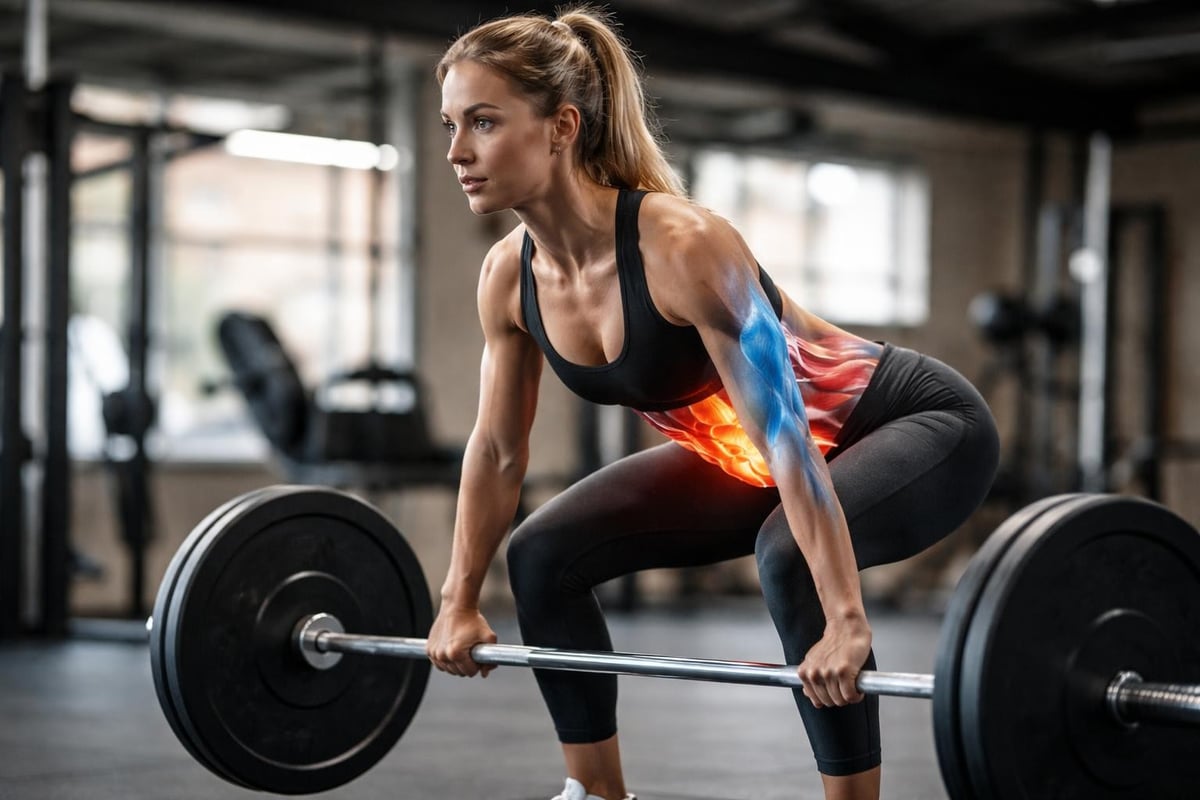
Cable machines are absolute workhorses when it comes to gym equipment for core strength. Unlike fixed machines, cables provide constant tension throughout the entire movement, forcing your core to stabilize and engage from multiple angles.
The beauty of cable systems lies in their versatility. You can perform rotational movements like woodchops, anti-rotation exercises like Pallof presses, and dynamic movements that mimic real-world activities. The adjustable height settings mean you can target different portions of your core with precision.
Top cable exercises for core development:
The farmer's carry exercise demonstrates how carrying weight engages your entire core as a stabilizer, and you can replicate similar demands using cable attachments for offset loading. This functional approach builds strength that translates directly to everyday life.
Don't let the vintage vibe fool you - medicine balls remain one of the most effective pieces of gym equipment for core strength. These weighted spheres force your core to work dynamically, especially during throwing and catching movements.
| Exercise Type | Primary Core Target | Difficulty Level |
|---|---|---|
| Russian Twists | Obliques | Beginner |
| Overhead Slams | Full core + shoulders | Intermediate |
| Wall Balls | Core + legs | Intermediate |
| Medicine Ball V-Ups | Lower abs | Advanced |
| Partner Toss Variations | Full core stability | All levels |
Medicine balls come in various weights (typically 2 to 30 pounds) and textures. The heavier balls work great for slams and powerful movements, while lighter ones excel for rotational speed work. Mix both into your routine for complete core development.
The explosive nature of medicine ball work creates what trainers call "reactive core strength" - your muscles learn to fire quickly and powerfully. Try adding medicine ball slams between other exercises to keep your heart rate up while hammering your core. Your abs will thank you later (after they stop burning).
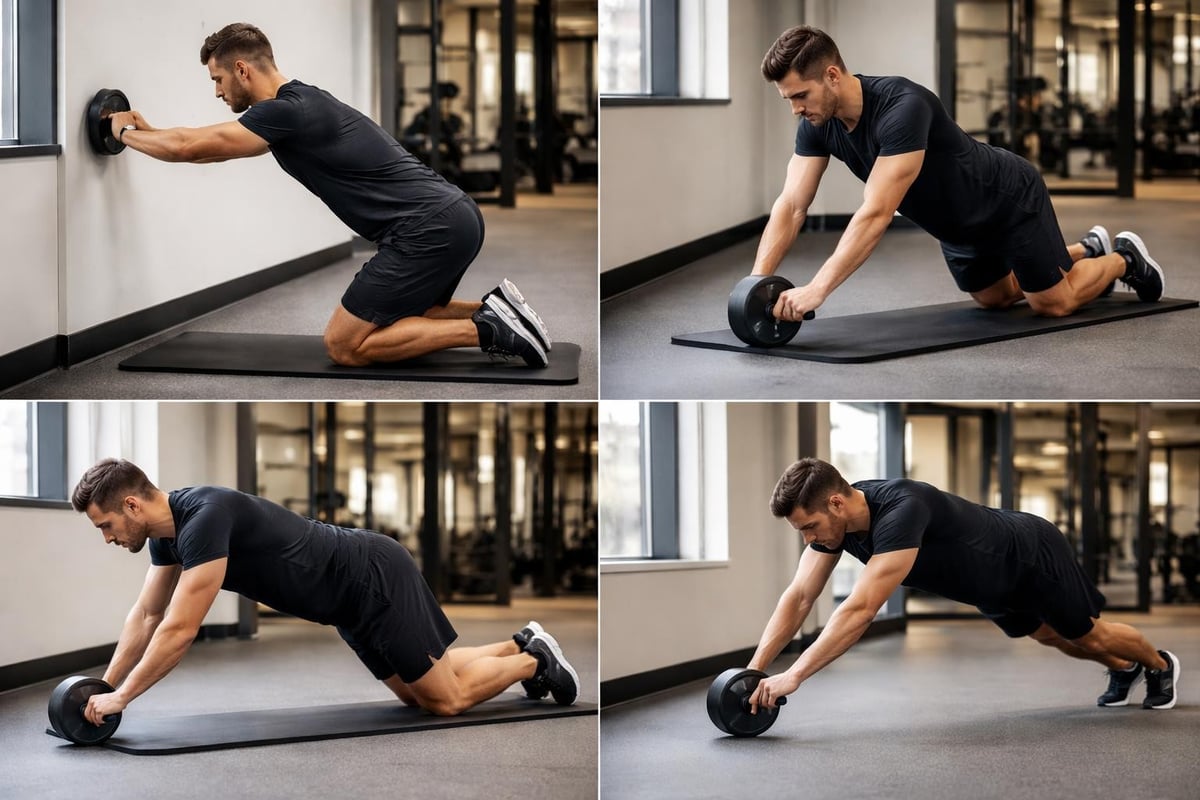
If you've ever tried an ab wheel rollout, you know the humbling truth: this simple piece of equipment will absolutely wreck you. The ab wheel forces your entire anterior core to work as a unit to prevent your back from collapsing. It's one of the best investments you can make in gym equipment for core strength.
Progressive ab wheel training:
The dragon flag exercise represents another advanced bodyweight core move that demands similar control and coordination. While you don't technically need equipment for dragon flags, many people use benches or stability balls to make the movement more accessible as they build strength.
TRX straps and similar suspension training systems turn your body into a dynamic stability challenge. Every exercise on these straps requires intense core engagement just to maintain position, making them incredibly efficient for building functional strength.
The instability factor is what makes suspension trainers special. Your core has to work overtime to keep you steady, recruiting smaller stabilizer muscles that often get ignored with traditional equipment. Plus, you can adjust difficulty instantly by changing your body angle.
Try these movements to maximize your suspension trainer workouts:
Athletes looking for portable training solutions appreciate how suspension trainers pack flat and set up anywhere. Speaking of portable fitness solutions, many gym-goers are discovering the benefits of collapsible and convenient fitness gear that travels as easily as it performs.
Remember when everyone was sitting on stability balls at work? While that trend faded, these inflatable spheres remain legitimate gym equipment for core strength training. The unstable surface forces constant micro-adjustments, engaging deep core muscles that stabilize your spine.
Key stability ball moves:
Choose a ball size based on your height: 55cm for people under 5'5", 65cm for 5'6" to 6', and 75cm for taller folks. Proper sizing ensures you maintain good form and get maximum core activation.
Most people think rowing machines only work the back and arms, but your core is absolutely crushing it during every stroke. The best rowing machines engage approximately 86% of your muscles, with the core playing a critical stabilizing role throughout the rowing motion.
| Rowing Phase | Core Action | Common Mistakes |
|---|---|---|
| Catch | Braced and stable | Rounding the back |
| Drive | Transferring power | Using all arms, no core |
| Finish | Controlled lean back | Over-leaning |
| Recovery | Maintaining position | Collapsing forward |
The constant tension during rowing builds endurance in your core muscles, which translates to better performance in every other exercise. Plus, you get serious cardio benefits, making it efficient gym equipment for core strength and overall fitness.
Dumbbells deserve major respect as versatile gym equipment for core strength. While they're famous for building arms and shoulders, unilateral (single-sided) dumbbell work forces your core to work overtime preventing rotation and maintaining balance.
According to BarBend's equipment review, dumbbells rank among the most effective and versatile core training tools available. Their effectiveness comes from the offset loading that challenges your core in ways bilateral exercises simply can't match.
Single-arm movements create what trainers call "anti-lateral flexion" - your core fights to prevent your body from bending sideways. This builds serious functional strength.
Try these unilateral dumbbell moves:
The offset load forces your obliques and deep core stabilizers to fire constantly. Start with lighter weights than you'd use for bilateral exercises and focus on maintaining perfect posture throughout.
Adjustable decline benches flip gravity to your advantage, making bodyweight core exercises significantly more challenging. The angle increases resistance on movements like crunches and sit-ups, building strength through greater range of motion.
If you're dealing with limited space, innovative solutions like wall-mounted benches that flip up when not in use give you premium functionality without sacrificing your entire floor space. These space-saving designs make it easier to maintain a consistent core training routine at home.
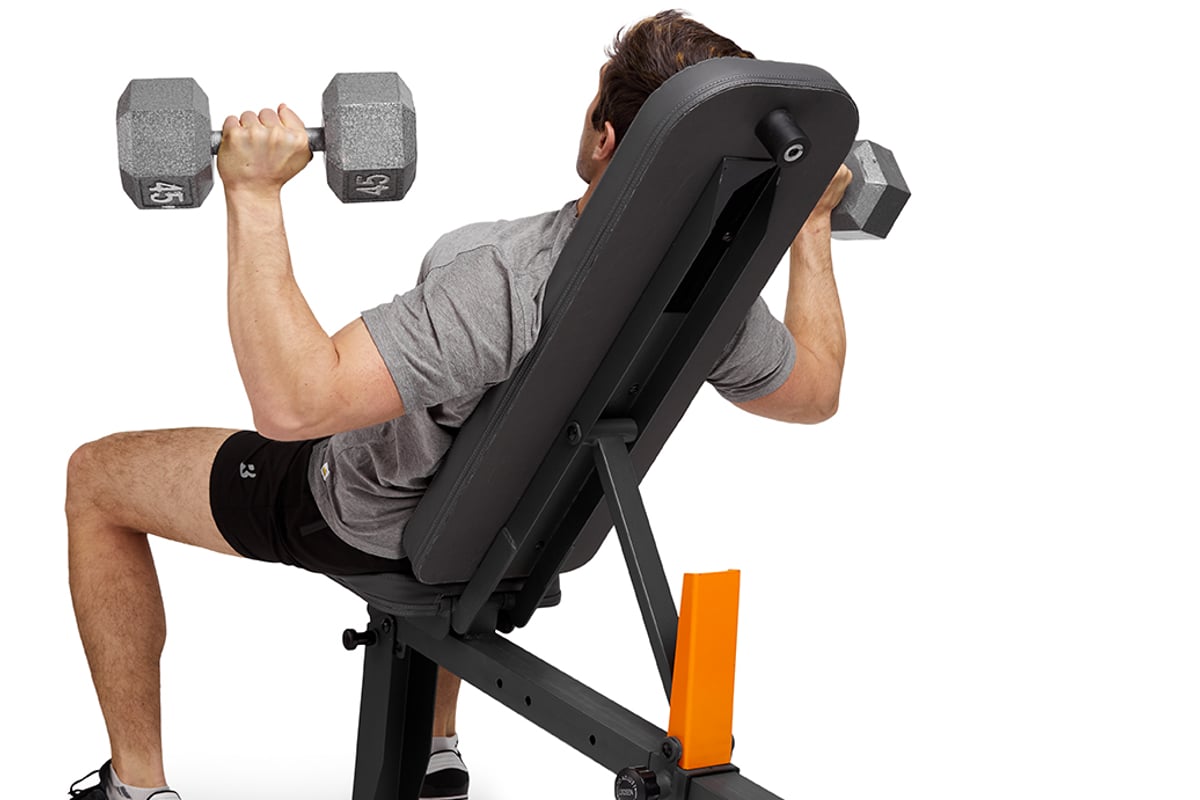
Decline bench core exercises:
The decline angle typically ranges from 15 to 30 degrees. Beginners should start at the lowest angle and progress as strength improves. Your abs will feel the difference immediately - that gravity assist works both ways.
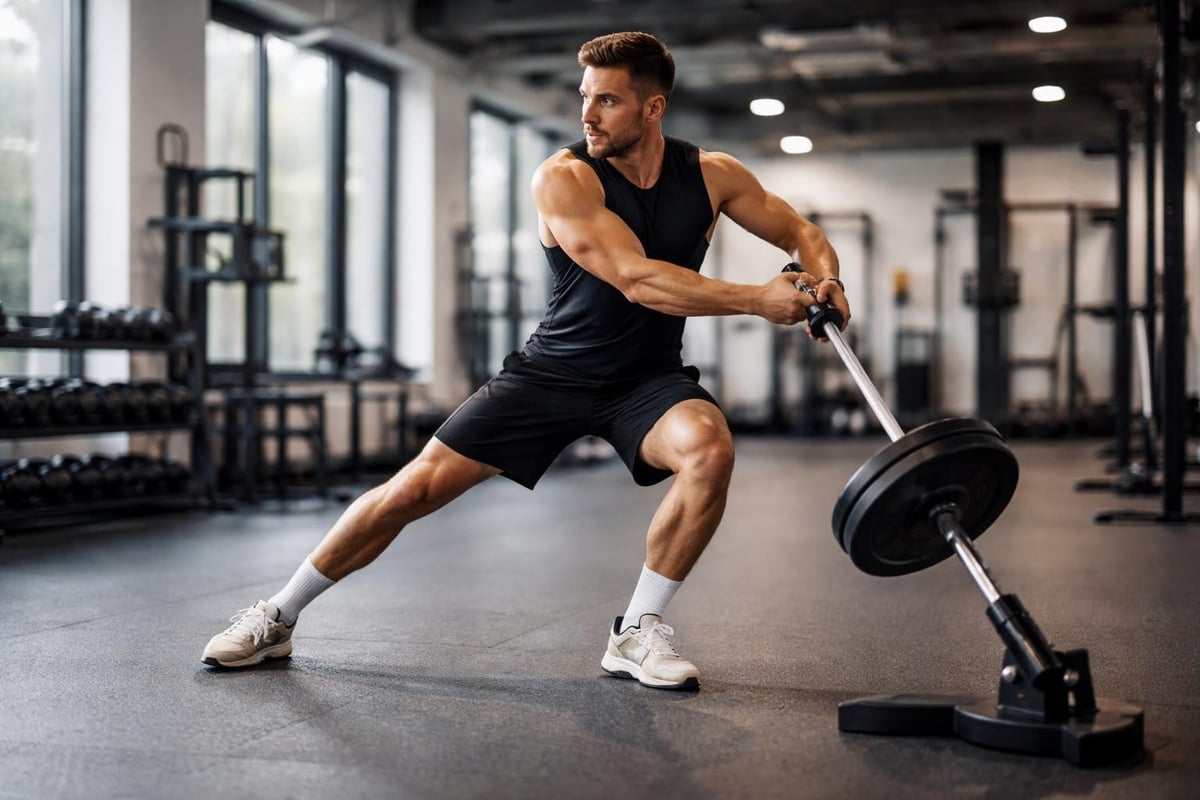
Landmine attachments (that angled barbell sleeve that fits in the corner) create unique movement patterns perfect for developing rotational core strength. These movements mimic real-world activities and athletic motions better than traditional ab exercises.
Rotational power is crucial for athletes and regular folks alike. Whether you're swinging a golf club, throwing a ball, or just twisting to grab something off a shelf, your core's ability to generate and control rotation matters.
The fixed pivot point of the landmine creates a smooth arc that's easier on your joints than free weights while still providing serious core challenge. It's particularly excellent gym equipment for core strength if you play rotational sports like golf, tennis, or baseball.
Plyo boxes aren't just for explosive jumps - they're sneaky effective gym equipment for core strength development. Elevated surfaces create new angles for familiar exercises and open up movements that challenge your core in fresh ways.
Creative plyo box core exercises:
The height variations (boxes typically come in 12", 20", 24", and 30" heights) let you progressively increase difficulty. Stack them for extra height or use lower boxes for easier variations as you build strength.
Don't underestimate resistance bands just because they're portable and affordable. These elastic tools provide variable resistance that increases as you stretch them, keeping tension on your muscles throughout the entire movement - a key factor in building gym equipment for core strength effectiveness.
Bands work particularly well for anti-rotation exercises. The Pallof press with bands builds incredible core stability and can be done anywhere with an anchor point. Wrap the band around a sturdy pole, grab both handles, and press straight out from your chest while your core fights the rotational pull.
| Band Type | Best For | Resistance Level |
|---|---|---|
| Loop bands | Lower body + core integration | Light to heavy |
| Therapy bands | Rehab and activation | Very light to medium |
| Figure-8 bands | Upper body + core | Medium |
| Resistance tubes | Full body movements | Light to heavy |
The reverse plank variation shows how bodyweight exercises target the posterior chain, and adding band resistance to these movements further intensifies core engagement. Bands make it easy to add progressive overload without investing in heavy equipment.
Those little plastic discs that slide on carpet or hardwood floors might look innocent, but they create absolutely vicious core workouts. Sliders eliminate friction, forcing your core to work constantly to control movement in all directions.
Slider exercises that torch your core:
The beauty of sliders is they make familiar exercises significantly harder by removing the stability of a fixed foot position. Your core has to stabilize through the entire movement pattern, building strength and control simultaneously.
That vertical padded chair with arm supports you see at every gym? It's called a captain's chair, and it's phenomenal gym equipment for core strength, particularly for the lower abs and hip flexors. The vertical position and arm support allow you to focus purely on core contraction without lower back strain.
Proper form is crucial: press your back firmly against the pad, grip the handles, and raise your knees using core strength rather than momentum. Lower with control for maximum effectiveness. As you advance, progress to straight-leg raises or add ankle weights for extra resistance.
Avoid these common mistakes that reduce effectiveness and increase injury risk:
Having access to excellent gym equipment for core strength means nothing if you don't use it strategically. Your core recovers quickly compared to other muscle groups, so you can train it 3-4 times per week with proper programming.
Sample weekly core training split:
This 8-minute Pilates workout demonstrates how effective short, focused sessions can be for core development. The key is consistency and progressive overload - gradually increasing difficulty through added resistance, slower tempo, or more challenging variations.
Mix equipment types to hit your core from different angles. Combining static holds (planks), dynamic movements (ball slams), and rotational work (cable twists) creates complete core development that translates to real-world strength.
Building serious core strength requires intense work, but recovery matters just as much as training. Your muscles grow and strengthen during rest periods, not during the workout itself. Smart athletes incorporate mobility work and recovery techniques into their routine to maintain flexibility and reduce soreness.
After crushing your core with various gym equipment for core strength, spend time on recovery tools. Foam rolling your hip flexors, lower back, and obliques helps reduce muscle tension and improves blood flow to aid recovery. The more efficiently you recover, the sooner you can train hard again.
Recovery strategies for core training:
Start conservatively with new gym equipment for core strength. Master the basic movements with perfect form before adding weight or complexity. Your core adapts quickly, so you'll progress faster than you think.
Use the principle of progressive overload: gradually increase difficulty by adding reps, sets, weight, or reducing rest periods. Track your workouts to ensure you're actually progressing rather than randomly selecting exercises.
Here's how to progress safely and effectively:
Listen to your body. Sharp pain (different from muscle burn) signals something's wrong. The core is intimately connected to your spine, so proper form isn't optional - it's mandatory for long-term health and performance.
Building serious core strength requires the right tools, consistent effort, and smart programming. From classic equipment like medicine balls and cable machines to innovative solutions like suspension trainers and landmine attachments, you've got plenty of options to keep your core workouts challenging and effective. Whether you're training at a fully-equipped gym or creating a minimalist home setup, focusing on quality equipment and proper technique will deliver the results you're after. For portable, high-quality fitness gear that supports your active lifestyle without compromising on performance, check out Brazyn Life and discover how innovative design makes it easier to stay consistent with your training goals.
