Your Cart is Empty


You've just crushed a killer workout, your muscles are screaming, and you're wondering if there's a better way to recover than just flopping on the couch with an ice pack. Welcome to the world of body roller foam, where your post-workout recovery meets your new best friend. Whether you're a gym rat, weekend warrior, or just someone who sat weird at their desk all day (we've all been there), body roller foam has become the go-to tool for easing muscle tension and getting your body back in fighting shape.
Body roller foam is essentially a cylindrical piece of high-density foam designed to help you perform self-myofascial release (fancy term for self-massage). Think of it as having a personal massage therapist on call 24/7, except it doesn't judge you for wearing those ancient gym shorts.
The science behind body roller foam is actually pretty solid. Research shows that foam rolling can reduce muscle pain intensity in people dealing with both chronic and acute musculoskeletal issues. It works by applying pressure to specific points on your body, helping to break up adhesions in your muscles and connective tissue (your fascia).
Here's what makes body roller foam so effective:
When you roll over tight spots, you're essentially giving your fascia a wake-up call. Your fascia is that web-like connective tissue that wraps around your muscles, and when it gets tight or knotted, everything feels stiff and uncomfortable.
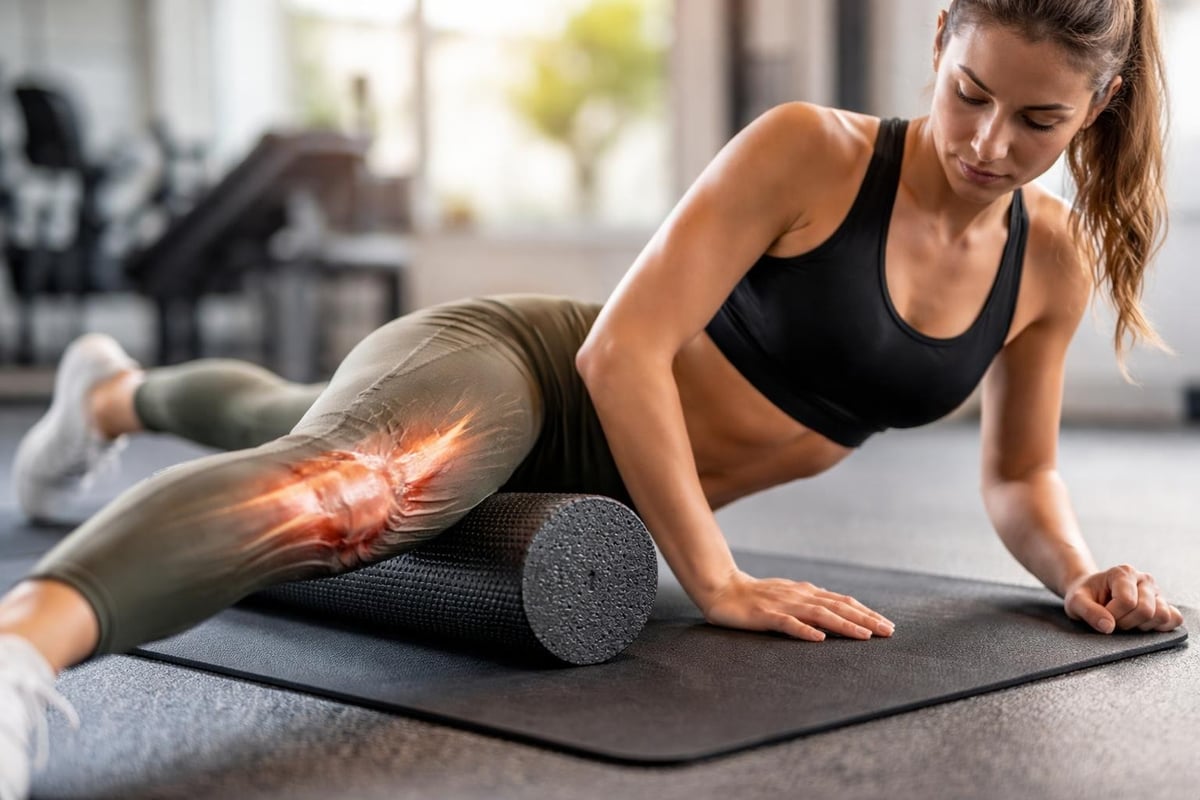
Let's get real about what body roller foam can actually do for you. Harvard Health confirms that foam rollers can reduce muscle tension and improve flexibility when used correctly. But the benefits go way beyond just feeling good.
Athletes aren't using body roller foam just because it's trendy. Studies show that regular foam rolling can improve your performance by maintaining optimal muscle length and reducing the risk of overuse injuries. When your muscles can move through their full range of motion, you're automatically more efficient in everything from running to lifting.
Nobody wants to spend three days hobbling around after leg day. Body roller foam helps speed up recovery by flushing out metabolic waste products and bringing fresh, oxygenated blood to your muscles. Think of it as hitting the refresh button on your body.
| Benefit Category | Immediate Effects | Long-Term Results |
|---|---|---|
| Muscle Soreness | 20-30% reduction in DOMS | Faster recovery between workouts |
| Flexibility | Improved range of motion | Sustained mobility gains |
| Blood Flow | Increased circulation | Better nutrient delivery to tissues |
| Injury Prevention | Reduced muscle tension | Lower risk of strain injuries |
Here's something you might not expect: rolling out those tight muscles can actually help reduce stress. The pressure from body roller foam triggers your parasympathetic nervous system (your body's "chill out" mode), which can help lower cortisol levels and promote relaxation.
Okay, let's be honest. The first time you try body roller foam, you might feel like a turtle stuck on its back. But once you get the hang of it, you'll wonder how you ever lived without it.
The golden rules for effective foam rolling:
Cleveland Clinic recommends foam rolling as an effective way to alleviate muscle soreness, but emphasizes using proper technique to avoid injury.
Pre-Workout: A quick 5-10 minute rolling session can wake up your muscles and improve your range of motion before exercise. It's like a dynamic warm-up that actually targets specific tight areas.
Post-Workout: This is prime time for body roller foam. Your muscles are warm, pliable, and ready to release tension. Spend 10-15 minutes rolling out the major muscle groups you worked.
Rest Days: Yes, even on your off days! Light foam rolling helps maintain mobility and keeps blood flowing to your muscles for recovery.
Before Bed: A gentle rolling session can help you relax and might even improve your sleep quality. Just don't go too aggressive or you'll be too amped up to sleep.
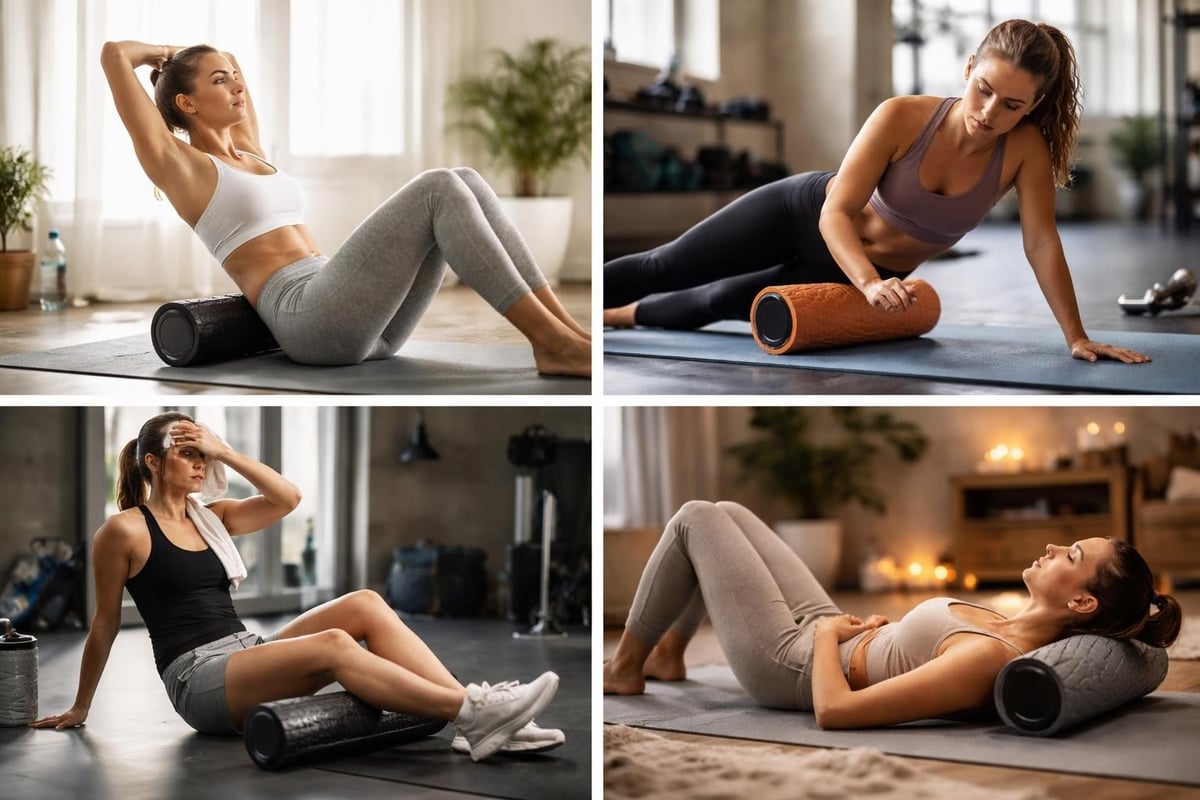
Let's break down the essential moves that'll have you rolling like a pro. Life Extension offers detailed foam roller exercises that target different muscle groups effectively.
Thoracic Spine Roll: Lie on your back with the body roller foam positioned under your mid-back. Cross your arms over your chest and gently roll from your mid-back to just below your shoulder blades. This one's a game-changer for anyone who sits at a desk all day.
Lat Roll: Position yourself on your side with the roller under your armpit area. This hits those big back muscles that get tight from everything from pull-ups to carrying groceries.
Quad Roll: Face down with the roller under your thighs. Roll from just above your knees to your hip flexors. Your quads do a ton of work, and they'll thank you for this.
Hamstring Roll: Sit with one leg on the roller, hands behind you for support. Roll from just above your knee to just below your glutes. If you're a runner, this is basically mandatory.
Calf Roll: Sit with your calf on the roller, using your hands to lift your hips slightly off the ground. Roll from your ankle to just below your knee. Don't skip this even if your calves seem fine because tight calves affect everything up the chain.
| Muscle Group | Roll Duration | Frequency | Pain Level (1-10) |
|---|---|---|---|
| Quadriceps | 60-90 seconds | Daily | 6-7 |
| Hamstrings | 45-60 seconds | 4-5x per week | 5-6 |
| Calves | 30-45 seconds | Daily | 7-8 |
| IT Band | 60 seconds | 3-4x per week | 8-9 (ouch!) |
| Upper Back | 60-90 seconds | Daily | 4-5 |
Even with something as simple as body roller foam, there are ways to mess it up. Let's make sure you're not one of those people.
Rolling Too Fast: You're not a steamroller at a construction site. Slow, controlled movements allow your muscles time to respond and release tension. Aim for about one inch per second.
Only Rolling Sore Spots: While it's tempting to focus only on what hurts, you need to address the whole kinetic chain. That tight IT band might actually be caused by weak glutes, so roll everything.
Skipping Consistency: Body roller foam isn't a magic wand. Using it once a month won't do much. Make it part of your regular routine for real results.
Rolling Directly on Injuries: If you've got an acute injury, bruise, or recent surgery, check with your healthcare provider before rolling that area. Body roller foam is preventative and maintenance-focused, not a cure for serious injuries.
Not all body roller foam is created equal, and finding the right one can make the difference between a tool you use daily and one that collects dust in your closet.
Density matters. Beginners might want to start with a softer roller that's more forgiving. As you build tolerance, you can graduate to firmer options that dig deeper into the tissue. Healthline's guide to foam roller benefits includes tips on selecting the right firmness level for your needs.
Size considerations depend on what you're using it for. Longer rollers (36 inches) are great for exercises that require more stability, like rolling your back. Shorter rollers (12-18 inches) are more portable and work well for targeted areas.
For busy professionals and travelers who want the benefits of body roller foam without sacrificing precious luggage space, innovation has entered the chat. The Morph Foam Roller solves the portability problem by collapsing flat when you're not using it, making it incredibly easy to pack for trips or store in small spaces. It maintains the firmness and effectiveness of a traditional roller but folds down to nothing, which means you can keep your recovery routine going whether you're at home, at the gym, or halfway around the world.
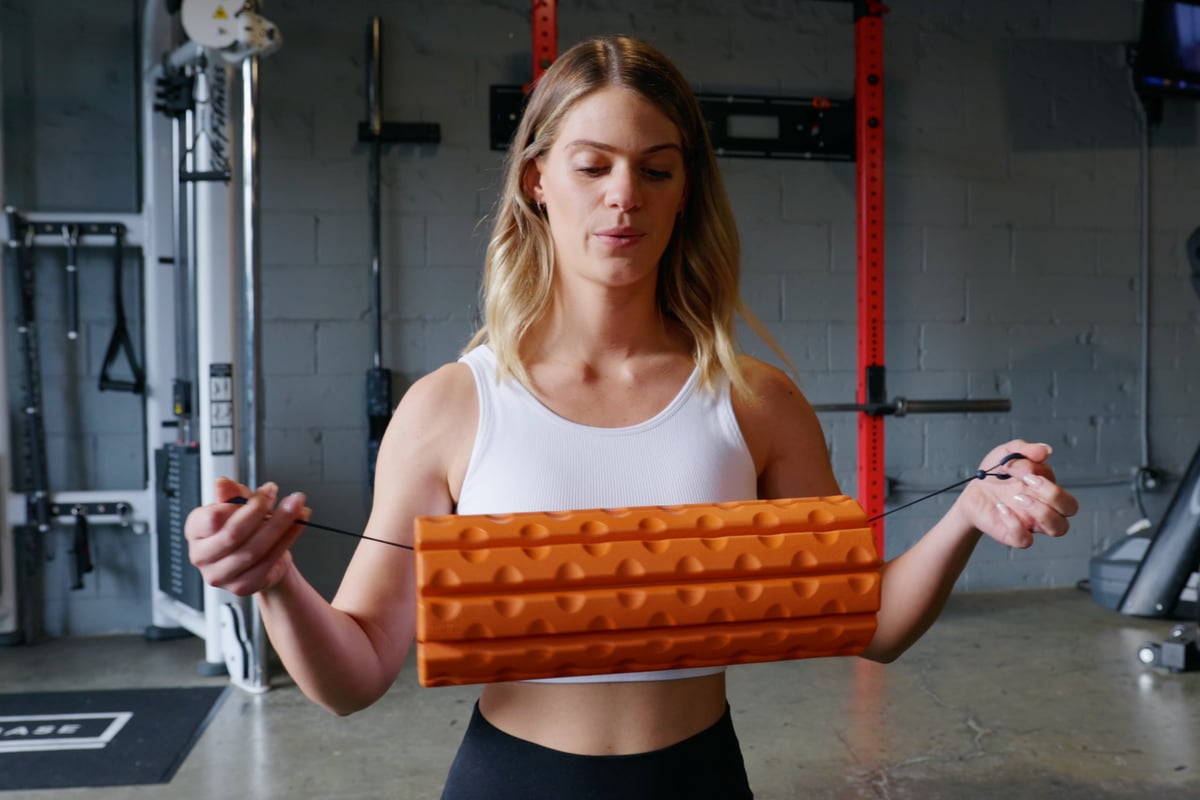
Smooth rollers are the classic choice. They provide even pressure and are great for beginners or anyone with sensitive muscles.
Textured rollers have bumps, ridges, or knobs that provide deeper pressure and can target trigger points more effectively. They're like the deep tissue massage version of body roller foam.
Vibrating rollers add another dimension by using vibration to enhance muscle relaxation. The jury's still out on whether they're significantly better than regular rollers, but some people swear by them.
Making body roller foam a habit rather than an afterthought is where the real magic happens. The key is building it into your existing routine so seamlessly that you don't even think about it.
Create a rolling station. Keep your body roller foam somewhere visible where you'll actually use it. Out of sight equals out of mind, and that roller won't do you any good hiding in a closet.
Pair it with something you already do. Maybe you foam roll while watching your favorite show, or before your morning coffee kicks in, or right after you finish your workout. Habit stacking makes new behaviors stick.
Track your progress. Notice how your flexibility improves, how your recovery time decreases, or how those nagging tight spots start to disappear. When you can see results, you're more likely to keep going.
Many fitness enthusiasts are discovering the value of multi-functional gym equipment that serves multiple purposes, and body roller foam definitely fits that bill since it works for warm-ups, cool-downs, and active recovery days.
Once you've mastered the basics of body roller foam, you can level up your game with these advanced strategies.
Instead of just static rolling, try incorporating movement. For example, while rolling your quads, slowly bend and straighten your knee. This adds an active component that can help release deeper adhesions.
Find a tender spot with your body roller foam, apply steady pressure, then actively move the muscle through its range of motion. This technique combines the benefits of foam rolling with active stretching.
Instead of rolling parallel to the muscle fibers, occasionally roll perpendicular to them. This cross-friction technique can help break up adhesions that longitudinal rolling might miss.
Pro tips from experienced rollers:
Let's put it all together with a comprehensive recovery routine using body roller foam that you can start implementing today.
Post-Workout Full-Body Protocol (15 minutes):
This hits all the major muscle groups and ensures you're maintaining tissue quality throughout your entire body. For visual guidance on proper technique, this demonstration of foam roller exercises shows effective movements for common problem areas.
Start your day with a quick body roller foam session focused on mobility:
This brief routine can improve your movement quality for the entire day ahead, especially if you've got a desk job that tightens everything up.
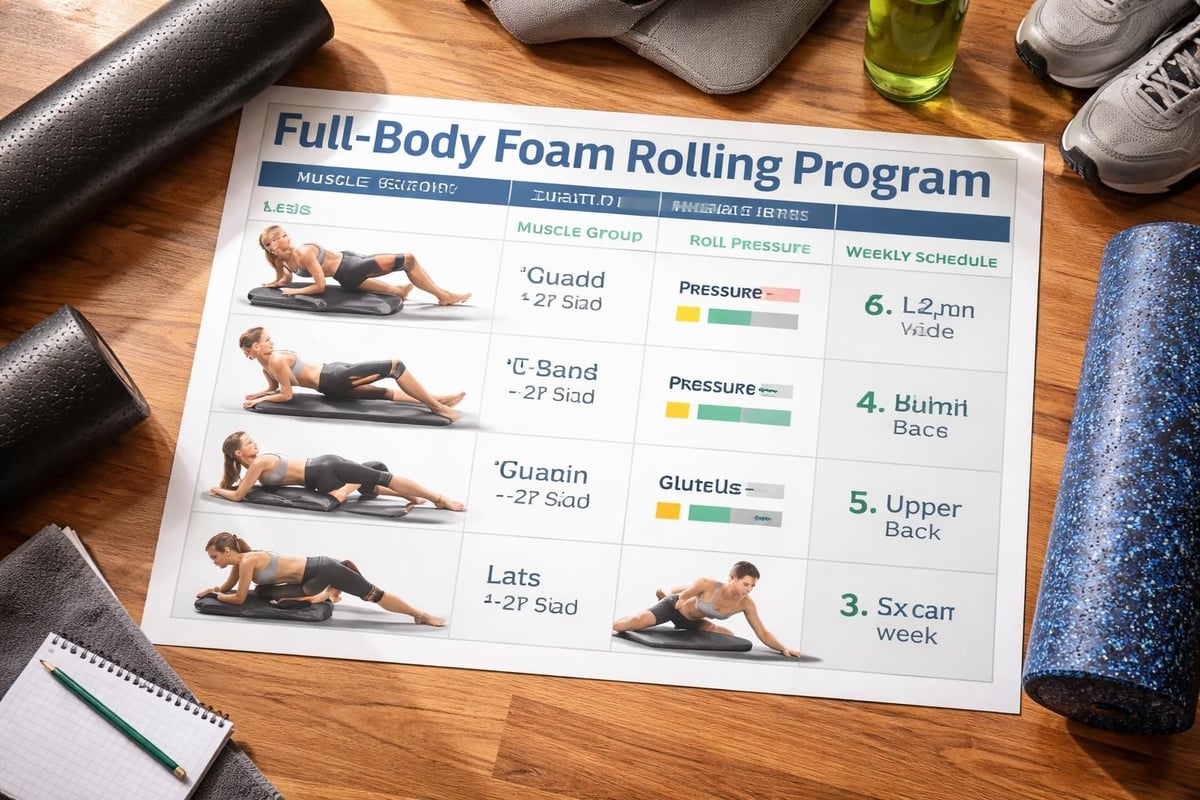
Body roller foam is incredibly effective, but it's even better when combined with other recovery strategies. Think of it as part of your recovery toolkit rather than the only tool you need.
Stretching and foam rolling work beautifully together. Use your body roller foam first to release muscle tension, then follow up with static stretching to improve flexibility. The foam rolling preps your muscles so they can stretch more effectively.
Hydration is crucial. All that rolling helps flush out metabolic waste, but you need adequate fluid intake to actually clear it from your system. Drink up before and after your rolling sessions.
Quality sleep amplifies everything. Your body does most of its repair work while you're sleeping, so don't skimp on rest. A full-body mobility routine before bed can help you sleep better and wake up feeling refreshed.
As amazing as body roller foam is, there are situations where you should skip it or at least get professional clearance first.
Don't foam roll:
If you experience sharp pain (different from the "good hurt" of releasing tight muscles), stop immediately. Body roller foam should feel intense but never excruciating.
Different activities and life circumstances call for adapted approaches to using body roller foam.
Focus extra attention on your IT band, calves, and hip flexors. These areas take a beating during runs and benefit enormously from regular rolling. Pre-run rolling can help improve your stride efficiency.
Your upper back, chest, and hip flexors are probably crying for attention. Combat that forward-slouched position with targeted rolling of these areas. Consider keeping a small body roller foam at your office for midday relief.
Heavy lifting creates different tension patterns. Pay special attention to your lats, pecs, and quads. The eccentric loading from lifting can create significant muscle soreness that responds well to foam rolling.
Understanding how foam rolling works at a deeper level can help you customize your approach based on your specific activities and goals.
One of the coolest things about body roller foam is that you can actually feel your progress over time. That spot that used to make you want to cry? In a few weeks, it might just be mildly uncomfortable. That's not because you're getting tougher (though you are), it's because your tissue quality is genuinely improving.
Keep notes on:
This information helps you identify patterns and adjust your rolling routine accordingly. Maybe your left calf is always tighter than your right, indicating a muscle imbalance you should address with targeted strengthening.
Body roller foam represents one of the simplest yet most effective tools in your recovery arsenal, backed by solid science and embraced by athletes at every level. By making it a consistent part of your routine, you're investing in better performance, faster recovery, and long-term mobility. Whether you're chasing personal records, staying active through a busy lifestyle, or just trying to feel better in your body, Brazyn Life has the innovative, portable solutions that fit seamlessly into your life. Ready to transform your recovery game? Your muscles will thank you.
