Your Cart is Empty


The bench press remains one of the most popular exercises in gyms worldwide, and for good reason. Whether you're a fitness newbie stepping into the weight room for the first time or a seasoned lifter chasing new personal records, understanding how to properly use a fitness gear bench press setup can make or break your training results. This comprehensive guide will walk you through everything from selecting the right equipment to perfecting your form, plus we'll explore some fun variations that'll keep your workouts fresh and exciting throughout 2026.
Let's be real: the bench press is basically the celebrity of upper body exercises. Walk into any gym and you'll find someone ready to tell you their max bench stats (whether you asked or not). But beyond the bragging rights, the bench press offers legitimate benefits that make it worth your time and sweat.
The primary muscles targeted during a fitness gear bench press include your pectoralis major (chest), anterior deltoids (front shoulders), and triceps. According to research, the bench press activates up to 70% of your upper body muscle fibers when performed correctly. That's a pretty impressive return on investment for a single exercise.
Here's where things get interesting. The pushing motion you develop through bench pressing translates directly to everyday activities. Pushing a heavy door, moving furniture, or even getting up from the floor all become easier when you've built solid pressing strength.
Key benefits include:
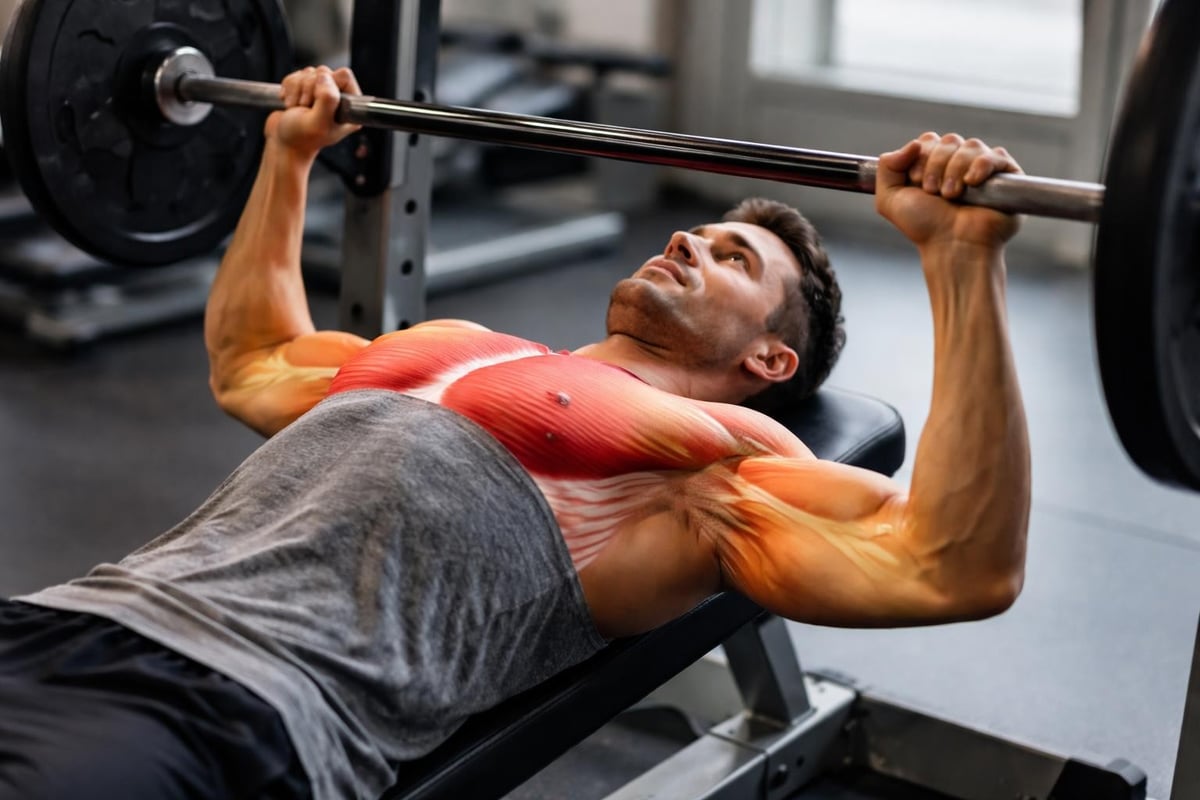
Not all bench press setups are created equal, and picking the right gear can seriously impact your training experience. The market in 2026 offers everything from basic flat benches to sophisticated adjustable systems that could double as furniture (okay, maybe not quite, but close).
| Bench Type | Best For | Space Required | Price Range |
|---|---|---|---|
| Flat Bench | Basic pressing, beginner-friendly | Small | $50-$200 |
| Adjustable Bench | Multiple angles, versatility | Medium | $150-$500 |
| Olympic Bench | Heavy lifting, serious training | Large | $300-$1,000+ |
| Folding/Collapsible | Home gyms, limited space | Minimal when stored | $100-$400 |
When space is at a premium (and let's face it, whose spare bedroom gym has unlimited square footage?), innovative solutions become game-changers. The modern fitness enthusiast needs equipment that works as hard as they do without requiring a dedicated warehouse.
If you're serious about creating a functional home gym without sacrificing your entire living space, the FLiPBENCH revolutionizes how we think about bench press equipment. This clever design gives you full incline and decline functionality while taking up just one square foot when stored, making it perfect for apartment dwellers or anyone who values floor space as much as gains.
Look, nobody plans to fail a rep, but smart lifters prepare for that possibility. The Barbell Logic safety guide emphasizes that proper safety equipment isn't optional, it's essential. Here's what should be on your radar:
Here's a truth bomb: bad form doesn't just limit your gains, it's basically sending your body an invitation to Injury Town. Population: you. The good news? Proper bench press technique isn't rocket science, but it does require attention to detail.
Before you even touch the bar, your setup determines about 80% of your performance. Start by lying on the bench with your eyes positioned directly under the barbell. Your feet should be flat on the floor (yes, really flat, not on your tiptoes trying to look cool).
Critical setup points:
The Cleveland Clinic's bench press guide highlights that shoulder positioning alone can reduce injury risk by up to 40%. That's worth paying attention to, right?
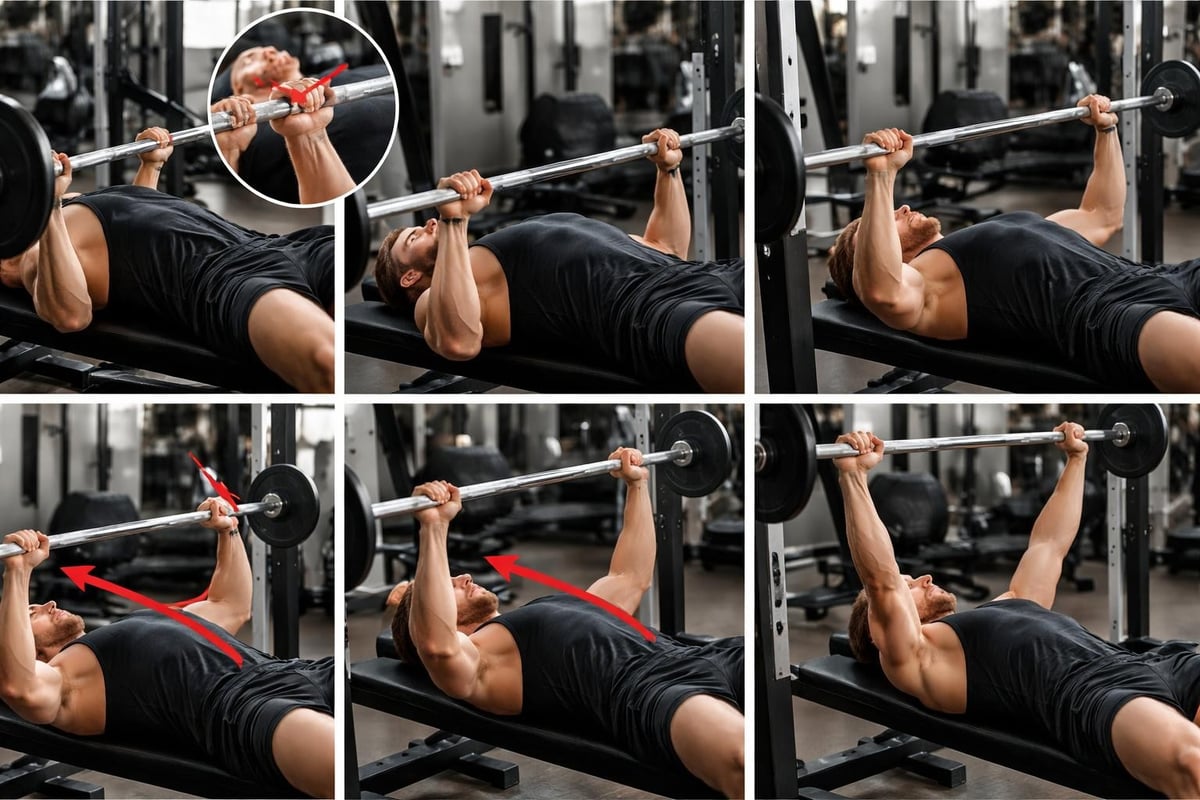
Unrack the bar with straight arms and position it over your chest. Take a deep breath, hold it, and lower the bar in a controlled arc to your mid-chest. The bar should touch your chest lightly (not bounce off your sternum like a basketball).
Here's where many people go wrong: the bar path shouldn't be perfectly vertical. Instead, as explained in Barbell Medicine's comprehensive bench press guide, the bar should travel in a slight diagonal from your shoulders toward your chest on the descent, then reverse that path on the ascent.
Press the bar back up explosively while maintaining that slight diagonal path. Breathe out as you complete the rep. Congratulations, you just performed a proper bench press rep!
Even experienced lifters fall into bad habits. Let's call out the usual suspects so you can avoid them (or fix them if you're already guilty).
Bouncing the bar off your chest might seem like it helps you lift more weight, but it's actually cheating your muscles and risking rib injuries. Control the descent, pause briefly at the bottom, then press.
Lifting your butt off the bench during heavy reps reduces stability and shifts stress to your lower back. Keep those glutes planted like you're sitting on something precious (because you are, your spine).
Flaring elbows out at 90 degrees creates unnecessary shoulder stress. According to WebMD's bench press guide, maintaining a 45-degree elbow angle significantly reduces shoulder strain while maintaining chest activation.
Many beginners hold their breath the entire set or, even worse, breathe at random intervals. Proper breathing involves inhaling at the top, holding during descent, and exhaling during the press. This breathing pattern, called the Valsalva maneuver, creates internal pressure that stabilizes your spine and actually helps you lift more weight safely.
Randomly benching whenever you feel like it might be fun, but strategic programming delivers actual results. Let's break down how to structure your bench press training for maximum gains in 2026.
| Goal | Rep Range | Sets | Rest Period |
|---|---|---|---|
| Maximum Strength | 1-5 reps | 4-6 | 3-5 minutes |
| Muscle Growth | 6-12 reps | 3-5 | 60-90 seconds |
| Muscular Endurance | 15+ reps | 2-3 | 30-60 seconds |
| Power Development | 3-5 reps | 3-4 | 2-3 minutes |
For most people pursuing general fitness and aesthetics, focusing on the 6-12 rep range hits the sweet spot. You're building strength, growing muscle, and developing technique without beating yourself up with ultra-heavy singles.
How often should you bench press? The answer depends on your training experience and recovery capacity. Beginners typically benefit from 2-3 sessions per week, while advanced lifters might bench 3-5 times weekly with varying intensities.
A smart approach for 2026 involves periodization, alternating between heavy, moderate, and light days throughout the week. Monday might be your heavy day with 5 sets of 5 reps, Wednesday could be moderate volume with 4 sets of 8 reps, and Friday might focus on lighter weight for higher reps to accumulate volume without excessive fatigue.
Variety isn't just the spice of life, it's also the secret sauce for continued progress. Your muscles adapt to the same stimulus over time, so introducing variations keeps them guessing and growing.
By adjusting your bench to a 30-45 degree angle, you shift emphasis to your upper chest and front shoulders. This variation is crucial for developing a well-rounded chest that doesn't look like it's sliding off your ribcage.
Pro tip: Most people set the incline too steep. A 30-degree angle provides optimal upper chest activation without turning the exercise into a shoulder press.
The decline position (bench angled downward) targets your lower chest fibers. While it's often overlooked, decline pressing can help build that defined lower chest line that creates nice definition.
Bringing your hands closer together (about shoulder-width or slightly narrower) shifts emphasis to your triceps. This variation is excellent for building arm strength that transfers back to your regular bench press.
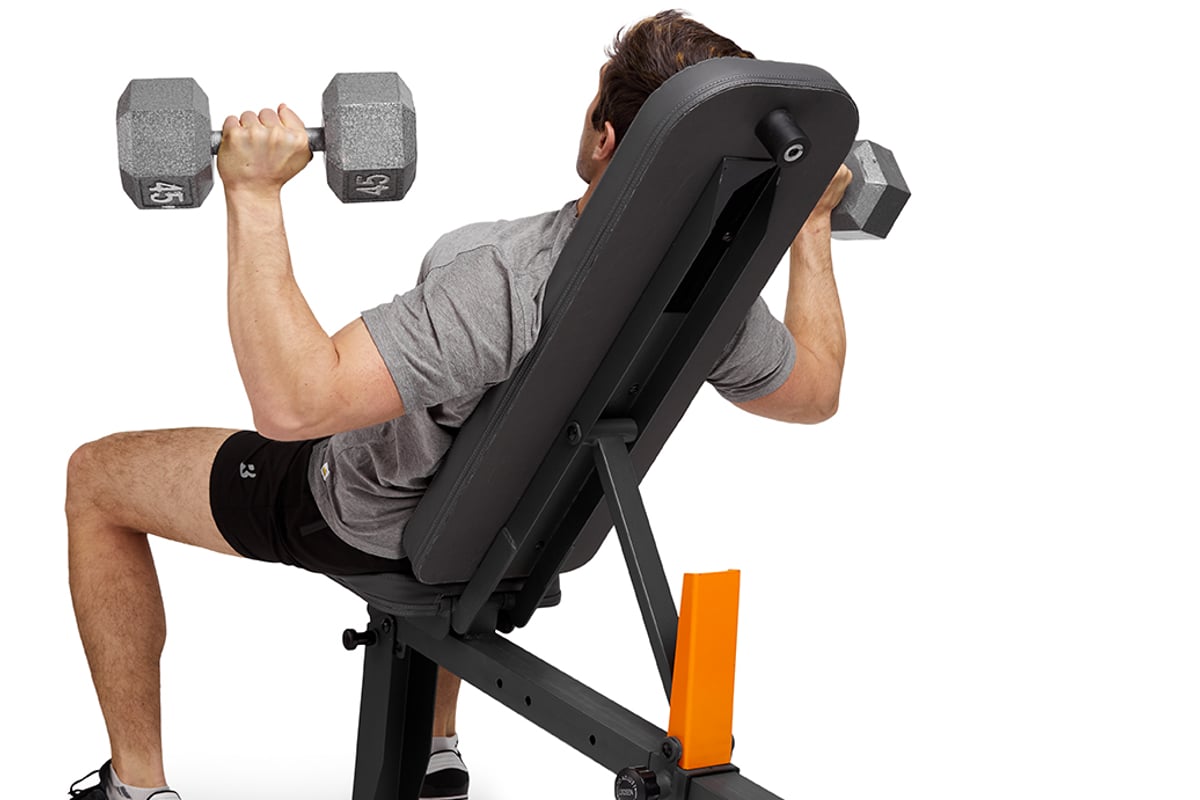
Dumbbells offer greater range of motion and require more stabilization than a barbell. Plus, they help identify and correct strength imbalances between your left and right sides. Nobody wants to be that person with one pec noticeably bigger than the other.
Here's something that often gets overlooked: your bench press performance is heavily influenced by what you do between sessions. Recovery isn't just about Netflix and protein shakes (though those definitely have their place).
After crushing a heavy bench session, your chest, shoulders, and triceps need proper recovery to grow stronger. Active recovery techniques like foam rolling can significantly reduce muscle soreness and improve subsequent workout performance.
Essential recovery practices:
Speaking of mobility work, tight shoulders and chest muscles can sabotage your bench press form and increase injury risk. Regular foam rolling and stretching help maintain the shoulder mobility necessary for safe, effective pressing. For those serious about recovery between training sessions, integrating tools from Brazyn Life's fitness collection can make mobility work more convenient and effective.
Your shoulders are complex joints that weren't really designed for repeatedly pressing hundreds of pounds. Incorporating shoulder-specific mobility drills and strengthening exercises for the rotator cuff muscles provides insurance against the most common bench press injury.
Try these shoulder savers three times weekly:
Let's talk about everyone's favorite topic: numbers going up! But seriously, tracking your bench press progress provides motivation and helps identify when programming adjustments are needed.
| Metric | Why It Matters | How Often to Test |
|---|---|---|
| 1-Rep Max | Overall strength benchmark | Every 8-12 weeks |
| Working Weight for Reps | Training progress indicator | Weekly |
| Bar Speed | Power development | Each session |
| Technique Quality | Form consistency | Each session |
| Recovery Time Needed | Fatigue management | Ongoing |
The progression of bench press world records shows that even elite lifters make incremental progress over time. Don't expect to add 50 pounds to your bench in a month unless you're a complete beginner or possess superhuman genetics.
Beginners often experience rapid gains, sometimes adding 5-10 pounds weekly for the first few months. This "newbie gains" phase is awesome but temporary. Intermediate lifters should expect to add 5-10 pounds monthly, while advanced lifters might spend an entire year working toward a 10-20 pound increase.
Progress isn't always linear either. Some weeks you'll feel strong and crush your workouts. Other weeks you'll struggle with weights that felt light the previous session. That's normal and part of the process. Focus on the long-term trend rather than individual sessions.
Training alone? No problem, but you need to be smart about it. More people train at home in 2026 than ever before, and safety becomes your personal responsibility when there's no spotter around to save you from becoming a pancake under the barbell.
Setting up proper safety measures isn't paranoid, it's intelligent. Safety pins or spotter arms should be set at a height that allows the bar to rest if you fail a rep without crushing your chest. Test the height by lying on the bench and ensuring the pins catch the bar just before it touches your chest.
The practical safety tips from Mark Rippetoe demonstrate exactly how to position safety equipment for bench pressing without a spotter. Spending five minutes setting this up correctly could literally save your life.
Critical safety rules:
If you get stuck under the bar, don't panic. The roll of shame involves rolling the bar down your torso toward your hips, then sitting up. It's not comfortable, but it's way better than being trapped under 225 pounds waiting for someone to find you.
Practice this technique with light weight so you know exactly what to do if needed. Think of it as a fire drill for your bench press.
Your fitness gear bench press equipment represents an investment in your health and strength. Proper maintenance ensures it lasts years and performs safely throughout its lifespan.
For barbells, regular maintenance includes brushing chalk out of the knurling, applying light machine oil to the sleeves, and checking for bent bars after dropping heavy weights. A well-maintained barbell can literally outlast you.
Creating an effective home bench press station doesn't require transforming your entire garage into a commercial gym. With smart equipment choices and space-efficient solutions, even small home gyms can accommodate quality bench pressing.
Minimum space requirements:
For urban apartment dwellers or those with multipurpose rooms, collapsible and wall-mounted options have revolutionized home gym possibilities. Equipment that serves multiple functions and stores compactly lets you maintain your living space without sacrificing training quality.
Consider your workflow too. Position your bench press setup where you'll actually use it. If it's stuck in a dark corner of the basement behind boxes of holiday decorations, you probably won't maintain consistent training. Accessibility matters for adherence.
Once you've mastered basic bench pressing and built a solid strength foundation, advanced techniques can help push through plateaus and continue making progress.
Manipulating the speed of your reps creates different training stimuli. A 4-1-2 tempo (4 seconds lowering, 1 second pause, 2 seconds pressing) increases time under tension and builds tremendous strength in the bottom position of the lift.
Adding a 2-3 second pause with the bar on your chest eliminates momentum and forces you to generate power from a dead stop. This directly improves your competition bench press if you're into powerlifting, and builds explosive strength for everyone else.
These partial range movements allow you to overload specific portions of the bench press. Board presses (pressing to boards stacked on your chest) strengthen your lockout, while pin presses (starting from pins set at various heights) eliminate the stretch reflex and build strength from different positions.
You can't out-train a terrible diet, and your bench press progress depends significantly on what you eat. Let's make sure your nutrition supports your pressing ambitions.
Serious lifters need more protein than sedentary folks. Research consistently shows that 1.6-2.2 grams of protein per kilogram of bodyweight optimizes muscle growth and recovery. For a 180-pound lifter, that's roughly 130-180 grams daily.
Quality protein sources:
Training fasted might work for some people, but most lifters perform better with proper pre-workout fuel. A meal containing carbohydrates and moderate protein 2-3 hours before training provides sustained energy for heavy bench sessions.
Closer to workout time (30-60 minutes before), a lighter snack like a banana with peanut butter or a protein shake helps top off energy stores without causing digestive discomfort mid-set.
Mastering the fitness gear bench press involves understanding proper technique, choosing appropriate equipment, programming intelligently, and prioritizing safety and recovery. Whether you're pressing in a commercial gym or creating a space-efficient home setup, the principles of effective bench pressing remain consistent across environments. Ready to upgrade your training with gear that matches your ambition? Brazyn Life specializes in innovative fitness solutions designed for modern athletes who value portability, functionality, and quality in their training equipment.
