Your Cart is Empty


Let's be real: the dream of having a fully-equipped home gym is right up there with winning the lottery and finding parking spots right in front of the store. But here's the thing: building out your personal fitness space with the right indoor gym equipment doesn't require a mansion-sized basement or a trust fund. Whether you're a modern dream chaser squeezing workouts between meetings or someone who genuinely prefers sweating it out in pajamas (no judgment here), creating an effective home gym is totally doable. And honestly? It's never been more fun.
Remember when gyms were just places with rusty weights and questionable locker room smells? Yeah, those days are long gone. The indoor gym equipment landscape has evolved faster than your ability to keep up with fitness trends, and we're here for it.
The shift toward home fitness isn't just about convenience anymore. It's about control, customization, and not having to wait for Brad to finish his 45-minute bicep curl session on the only bench. According to recent market research, the home fitness equipment industry has grown by nearly 170% since 2020, with no signs of slowing down through 2026.
Here's what's driving this massive shift:
The beauty of modern indoor gym equipment is that it's designed for real people with real space constraints. Gone are the days when you needed a warehouse to get a decent workout at home.
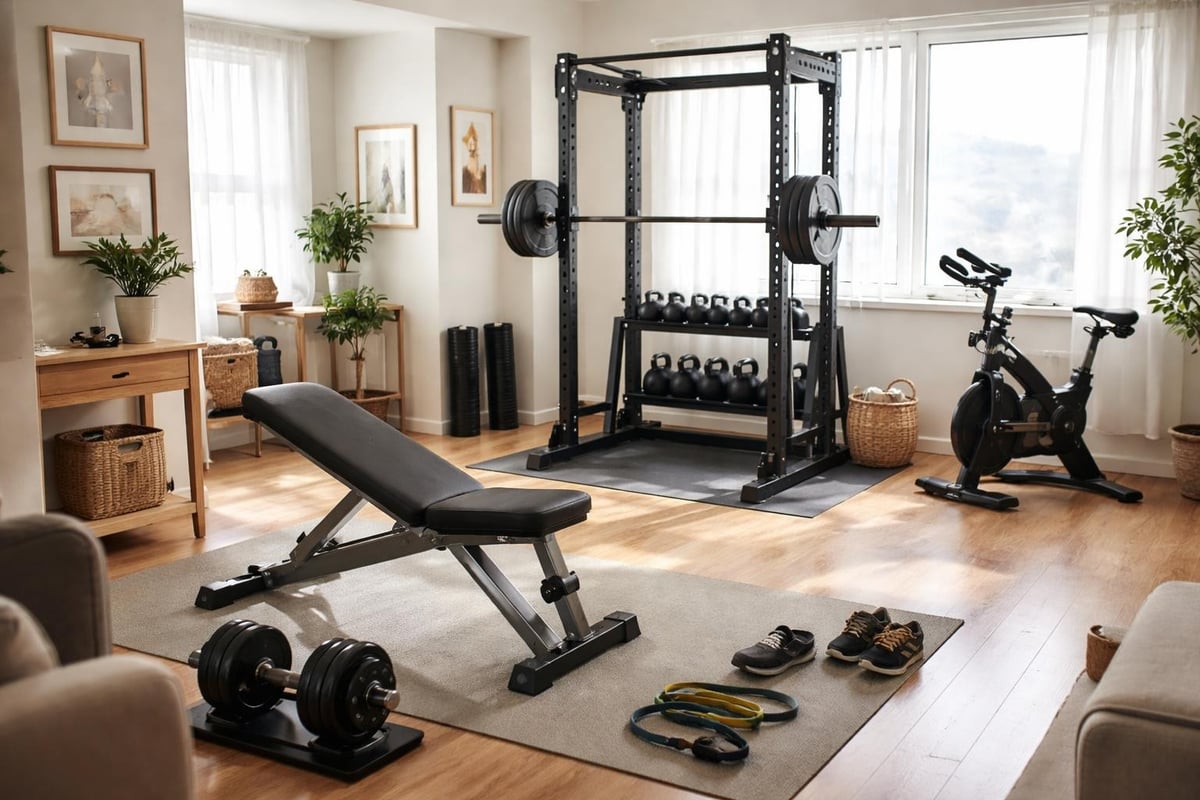
Let's break down the exercise equipment world into digestible chunks, because walking into this without a plan is like trying to assemble IKEA furniture without instructions: technically possible, but why would you do that to yourself?
Strength training equipment forms the backbone of most home gyms, and for good reason. These tools help you build muscle, increase bone density, and develop that functional strength that makes carrying all those groceries in one trip actually possible.
Adjustable Dumbbells
These space-saving champions replace entire dumbbell racks. Modern versions let you switch between 5 to 52.5 pounds with a simple twist or click. They're perfect for compound movements, isolation exercises, and even some creative core work.
Resistance Bands
Don't let their simplicity fool you. Resistance bands deliver serious results:
Kettlebells
The Swiss Army knife of strength training. Kettlebells excel at combining cardio and strength training, making them ideal for HIIT workouts and functional fitness routines.
| Equipment Type | Space Required | Price Range | Versatility Score |
|---|---|---|---|
| Adjustable Dumbbells | 2 sq ft | $200-$500 | 9/10 |
| Resistance Bands | <1 sq ft | $20-$100 | 8/10 |
| Kettlebells | 1 sq ft per bell | $30-$150 each | 7/10 |
Cardio machines have gotten a serious upgrade. We're not just talking about treadmills that sound like jet engines taking off anymore.
Folding Treadmills
Modern folding treadmills are engineering marvels. They offer cushioned decks that reduce joint impact by up to 40% compared to pavement running, built-in workout programs that actually make sense, and yes, they fold up to reclaim your floor space when you're done.
Indoor Rowing Machines
Rowing machines deliver a full-body workout that burns calories like nobody's business. They're low-impact, highly effective, and surprisingly meditative once you get your rhythm down. Plus, many modern rowers fold vertically and take up less space than your yoga mat.
Stationary Bikes
From basic spin bikes to connected smart bikes with virtual classes, there's a stationary bike for every budget and fitness level. They're perfect for low-impact cardio, recovery days, or just burning off that extra slice of pizza while binge-watching your favorite show.
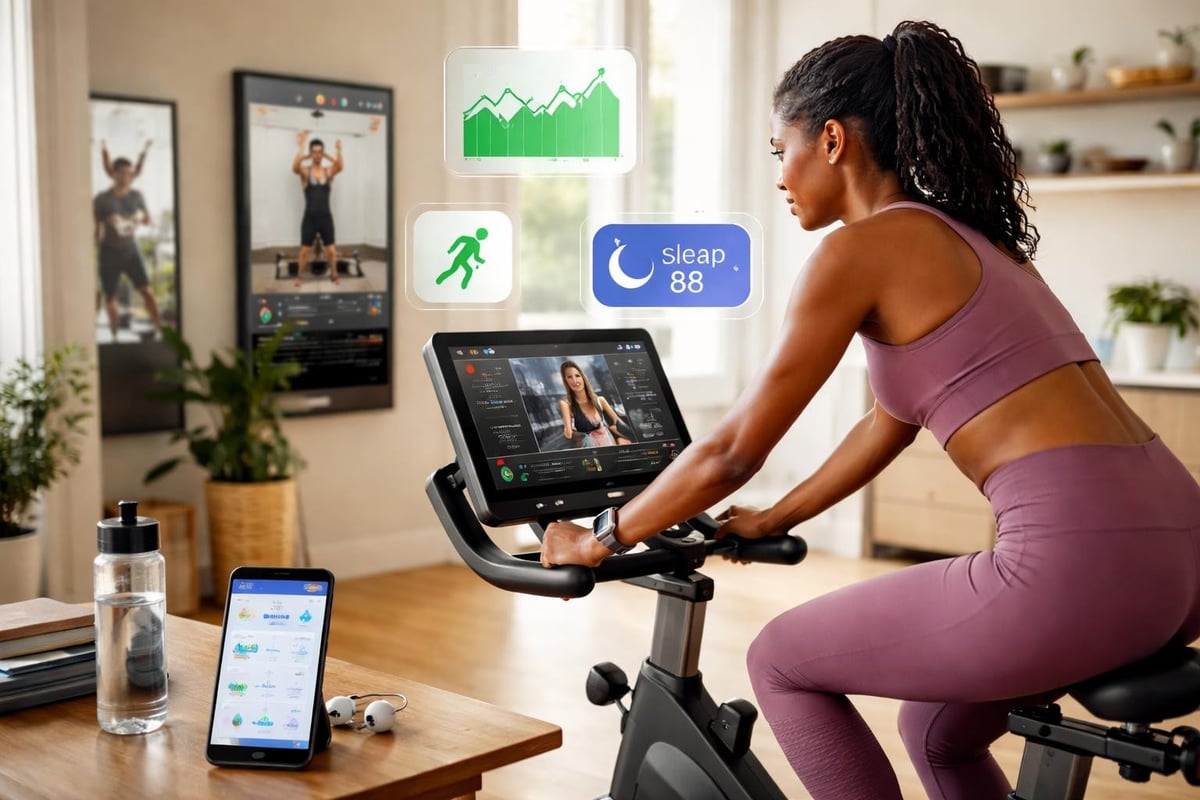
Welcome to 2026, where your indoor gym equipment is probably smarter than your first smartphone. Connected fitness devices have transformed solo home workouts into engaging, data-driven experiences.
Smart equipment tracks everything from heart rate and calories burned to power output and form quality. This data isn't just vanity metrics (though seeing those numbers go up is oddly satisfying). It helps you:
The integration with fitness apps means your indoor gym equipment works as part of a comprehensive wellness ecosystem. Your morning workout data syncs with your nutrition tracker, which connects to your sleep monitor, creating a complete picture of your health journey.
For those seeking multi-functional gym equipment, the modern market delivers options that punch way above their weight class in terms of versatility.
Here's a truth bomb: the best indoor gym equipment isn't always the stuff that makes you sweat buckets. Recovery tools are absolutely essential for anyone serious about fitness results, injury prevention, and actually being able to walk normally the day after leg day.
Foam rolling has evolved from "that weird thing physical therapists do" to a mainstream recovery essential. Self-myofascial release helps reduce muscle soreness by up to 30%, improves flexibility, and speeds up recovery time between workouts.
Modern foam rollers come in various densities and textures:
The portability factor matters more than you might think. Being able to take your recovery tools to the gym, office, or on trips means you're more likely to actually use them consistently.
Percussion therapy devices have revolutionized muscle recovery. These handheld powerhouses deliver rapid bursts of pressure deep into muscle tissue, promoting blood flow and reducing tension. The technology has become more accessible, with quality devices now available at various price points.
What makes modern massage guns special:
Speaking of reaching difficult areas, innovative designs have solved the classic problem of not being able to effectively massage your own back and lower body without contorting like a pretzel.
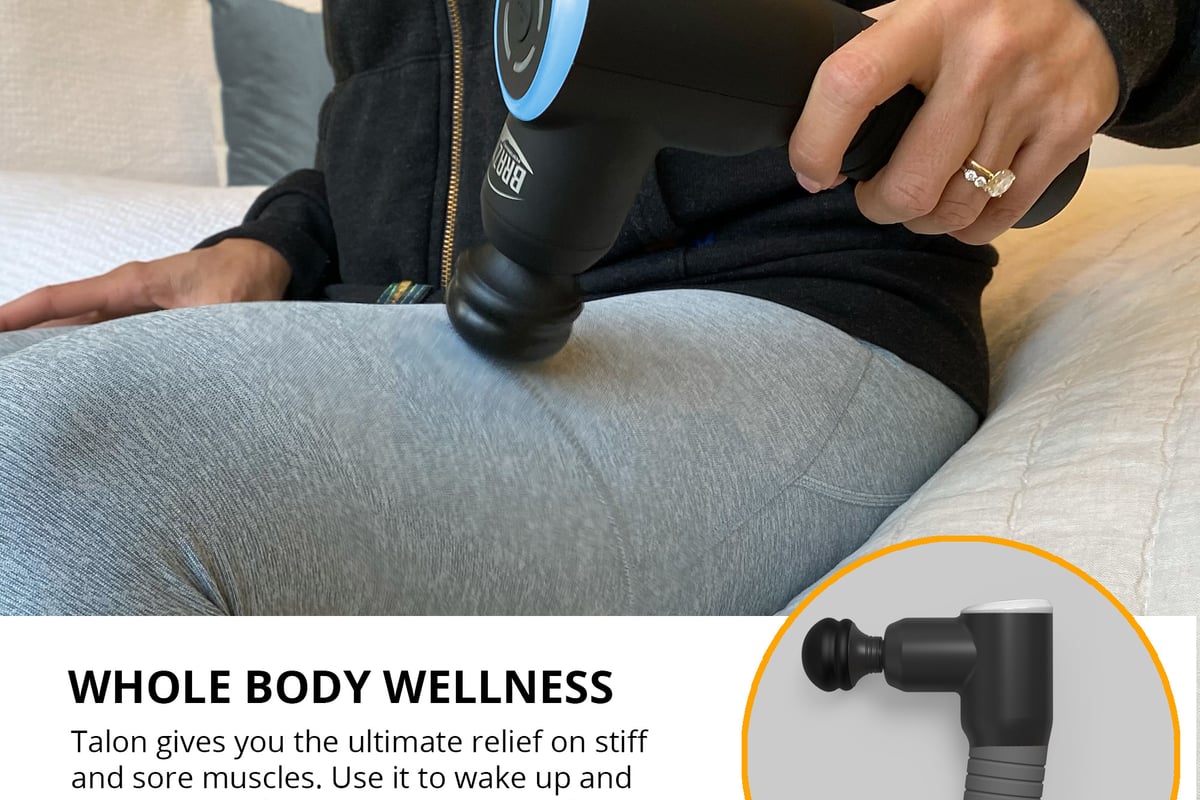
The Talon Massage Gun revolutionizes percussion therapy with its clip-on extension arm system, putting every muscle group within easy reach. This modular approach means you get both a premium handheld device and the ability to comfortably target those hard-to-reach spots on your back and lower body without needing a second person or superhuman flexibility.
Let's address the elephant in the room (or rather, the lack of room for an elephant): most of us don't have dedicated 500-square-foot gym spaces. We have spare bedrooms, garage corners, or living room nooks that moonlight as workout zones.
Space-saving indoor gym equipment has become seriously sophisticated. We're not talking about flimsy, unstable compromises anymore. Modern collapsible and foldable equipment delivers professional-grade performance while respecting your square footage.
Wall-Mounted Solutions
Wall-mounted equipment is having a major moment. Pull-up bars, resistance band anchor points, and even fold-down benches maximize vertical space while keeping floors clear. The key is proper installation (seriously, use those wall studs) and strategic placement.
Multi-Function Stations
Single-purpose equipment is so 2020. Today's best indoor gym equipment pulls double or triple duty:
| Equipment | Primary Use | Secondary Use | Bonus Feature |
|---|---|---|---|
| Adjustable Bench | Pressing movements | Incline/decline work | Folds flat storage |
| TRX System | Suspension training | Core work | Door anchor portability |
| Plyo Box | Jump training | Step-ups | Stores smaller equipment inside |
| Medicine Balls | Explosive throws | Core rotations | Can replace dumbbells for some moves |
You don't need everything to get everything done. A strategic selection of versatile indoor gym equipment beats a cluttered space full of single-use gadgets every time.
Consider this efficient starter setup:
This combination covers strength training, cardio conditioning, flexibility work, and recovery. Total space required? About 10 square feet when everything's in use, less than 3 square feet when stored.
Different fitness goals require different tools. Let's break down what works best for various training approaches, because one-size-fits-all is a lie told by adjustable hats.
Serious strength training demands certain non-negotiables. You need stable platforms, progressive resistance options, and equipment that won't quit before you do.
Power Racks and Squat Stands
These form the foundation of any serious home strength setup. Modern versions include safety catches, pull-up bars, and attachment points for accessories. Half racks offer a space-saving alternative to full power cages while maintaining safety features.
Olympic Weight Sets
There's something satisfying about the clang of real iron plates. Olympic weight sets remain the gold standard for compound lifts. Look for bumper plates if you're working on Olympic lifts (your floors and downstairs neighbors will appreciate it).
Cardio enthusiasts need options that maintain interest and provide progression paths. The best cardio workout equipment keeps your heart rate up without making you dread every session.
Jump Ropes
The most underrated cardio tool ever. A quality jump rope costs less than a month of streaming services but delivers insane cardiovascular benefits. Plus, it packs into a drawer.
Battle Ropes
These thick, heavy ropes provide brutal full-body cardio workouts. They're excellent for HIIT training and developing grip strength simultaneously. Anchor to a heavy object or wall mount and prepare to feel muscles you didn't know existed.
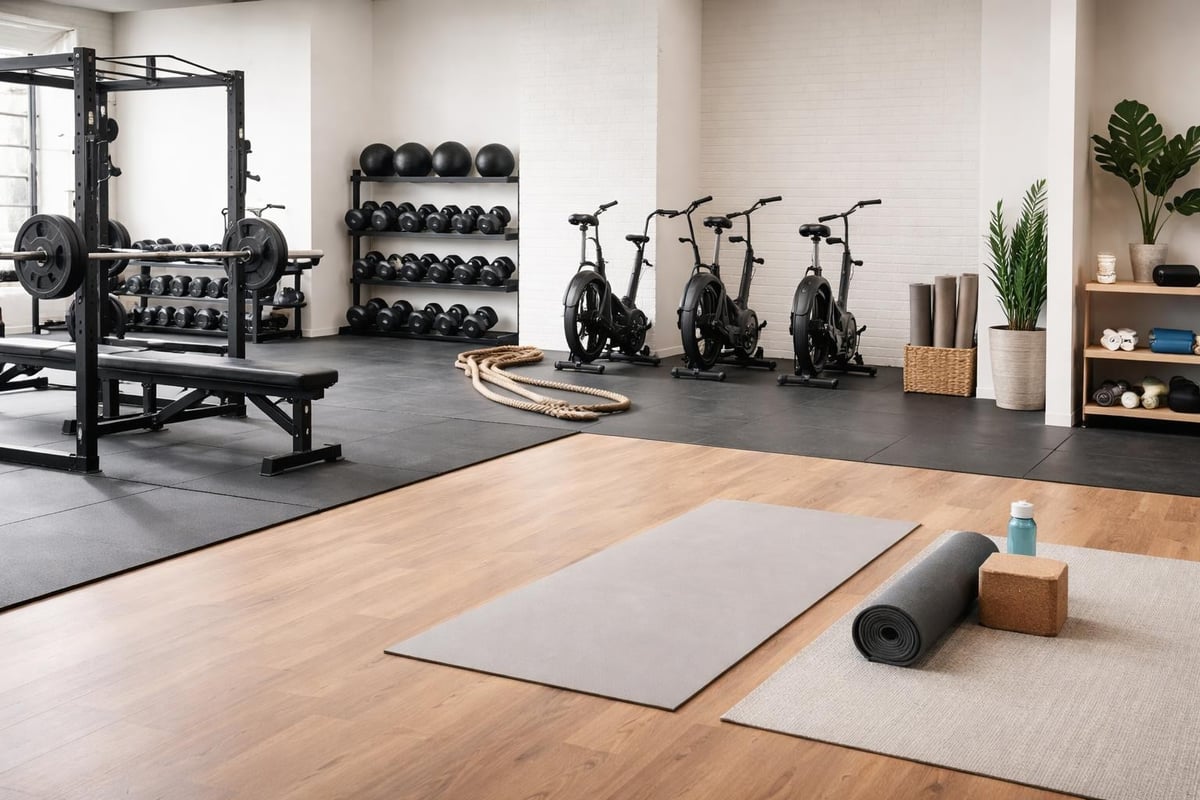
Yoga and Pilates equipment focuses on controlled movements, stability, and mind-body connection. The right tools enhance practice without cluttering your zen space.
Yoga Blocks and Straps
These aren't just for beginners. Blocks and straps help practitioners of all levels achieve proper alignment, deepen stretches, and access poses that might otherwise be out of reach.
Pilates Reformers
The Cadillac of Pilates equipment, reformers provide adjustable resistance through springs and pulleys. They're pricey and space-intensive, but for serious practitioners, they're worth every penny and square inch.
Creating an effective home gym is like building a wardrobe: start with versatile basics, then add specialized pieces as needs and budget allow. Trying to buy everything at once leads to buyer's remorse and cluttered spaces.
Phase 1: The Foundation (Months 1-3)
Start with equipment that delivers maximum versatility per square foot. This typically includes resistance bands, a yoga mat, and perhaps adjustable dumbbells. Total investment: $200-$400.
Phase 2: The Expansion (Months 4-8)
Add specialty items based on your most frequent training styles. Cardio enthusiasts might grab a rowing machine, while strength trainers might invest in a bench or pull-up bar. Budget: $300-$800.
Phase 3: The Optimization (Months 9+)
Fill gaps in your setup with targeted tools that enhance specific aspects of training. This might include specialized grips, landmine attachments, or upgraded cardio equipment.
Not all indoor gym equipment deserves equal budget allocation. Here's where to invest and where acceptable alternatives exist:
Worth Splurging On:
Safe to Save On:
The Universal Gym Equipment company pioneered many strength training innovations, proving that quality equipment is an investment in long-term fitness success.
Buying indoor gym equipment is just the beginning. Proper maintenance ensures your investment lasts years, not months. Plus, well-maintained equipment is safer equipment.
Different equipment types need different care approaches:
Weekly Tasks:
Monthly Tasks:
Quarterly Tasks:
Equipment inevitably wears out. Knowing when to repair versus replace saves money and prevents injuries.
Replace immediately if you notice:
Repair if experiencing:
The fitness industry continues evolving at breakneck speed. What's coming next for indoor gym equipment? The trends shaping 2026 and beyond are genuinely exciting.
New equipment incorporates cameras and sensors that analyze your form in real-time, providing instant feedback. This technology, previously available only through expensive personal trainers, is becoming democratized in home gym settings.
Eco-conscious consumers are driving demand for sustainable indoor gym equipment. Manufacturers now offer products made from recycled materials, sustainable woods, and eco-friendly finishes. Companies like Technogym lead this charge, proving environmental responsibility and performance quality can coexist.
The future is flexible. Modular equipment systems let users customize setups based on daily goals, swap components as fitness levels progress, and reconfigure spaces for different training styles. This adaptability maximizes both function and floor space.
VR workout experiences transform boring cardio sessions into adventures. Rowing through scenic rivers, cycling through mountain ranges, or boxing against virtual opponents makes traditional indoor training more engaging. The technology becomes more accessible and affordable each year.
Living in a compact space doesn't mean sacrificing fitness goals. Strategic equipment selection and creative storage solutions make effective home gyms possible anywhere.
Walls are your best friends. Pegboards, wall tracks, and overhead storage keep equipment accessible yet out of the way. This approach works especially well for:
Innovative companies now create furniture pieces that moonlight as workout equipment. Coffee tables with hidden weights, ottomans that flip into step platforms, and shelving units that convert to pull-up stations blur the line between home décor and fitness gear.
Even in tiny apartments, designating a specific area for fitness creates psychological commitment. This doesn't require an entire room. A 6x6 foot corner works perfectly with the right indoor gym equipment selection and storage systems.
Consider exploring Brazyn Life's innovative products for space-efficient solutions. Their focus on portability and functionality makes them ideal for modern living spaces where every square foot counts.
Equipment is only part of the equation. The right environment makes the difference between spaces you dread entering and ones that energize your workouts. Understanding gym lighting standards helps create optimal conditions.
Proper illumination affects both safety and motivation. Your indoor gym equipment deserves lighting that:
Natural light beats artificial every time. If possible, position your workout space near windows. For artificial lighting, LED panels with adjustable color temperature work best, allowing you to boost intensity for high-energy sessions or soften for yoga and stretching.
The right soundtrack makes challenging workouts feel easier. Quality speakers or headphones transform your space. Consider:
Nothing kills workout motivation faster than improper temperature. Ideally, maintain your gym space between 68-72°F. Fans provide airflow for cardio-heavy sessions, while heating ensures muscles stay warm during strength training in cooler months.
Building an effective home fitness space with the right indoor gym equipment transforms not just your workouts, but your entire approach to wellness and self-care. The beauty lies in creating a personalized environment that supports your unique goals, fits your available space, and actually gets used (unlike that gym membership gathering dust). Ready to create your dream workout space? Brazyn Life offers innovative, space-saving fitness solutions designed for modern dream chasers who refuse to let limited square footage limit their fitness potential.
