Your Cart is Empty


Let's be real: shopping for yoga and pilates equipment can feel like navigating a maze blindfolded while balancing on a stability ball. With thousands of products promising to transform your practice, where do you even start? Whether you're setting up your first home studio or upgrading gear that's seen better days, understanding what actually makes a difference (versus what's just Instagram-worthy) is crucial. The good news? We're diving deep into everything you need to know about building your perfect practice space without breaking the bank or your back hauling heavy equipment around.
Here's something most people don't realize until they've face-planted during crow pose: not all mats are created equal. The same goes for every piece of yoga and pilates equipment you'll ever touch. According to research on Pilates equipment standards, the right gear doesn't just make your practice more comfortable; it fundamentally changes how effectively you can perform movements and progress in your journey.
Think about it like this. Would you run a marathon in flip-flops? Probably not (though we'd pay to see someone try). Your yoga mat is just as critical to your practice as proper running shoes are to a runner. A quality mat provides the grip, cushioning, and stability that keeps you safe during those tricky transitions and challenging holds.
But equipment quality impacts more than just safety:
The fitness equipment landscape has evolved dramatically, with emerging trends in 2026 focusing on smart technology integration and space-saving designs that actually work with real-life constraints.
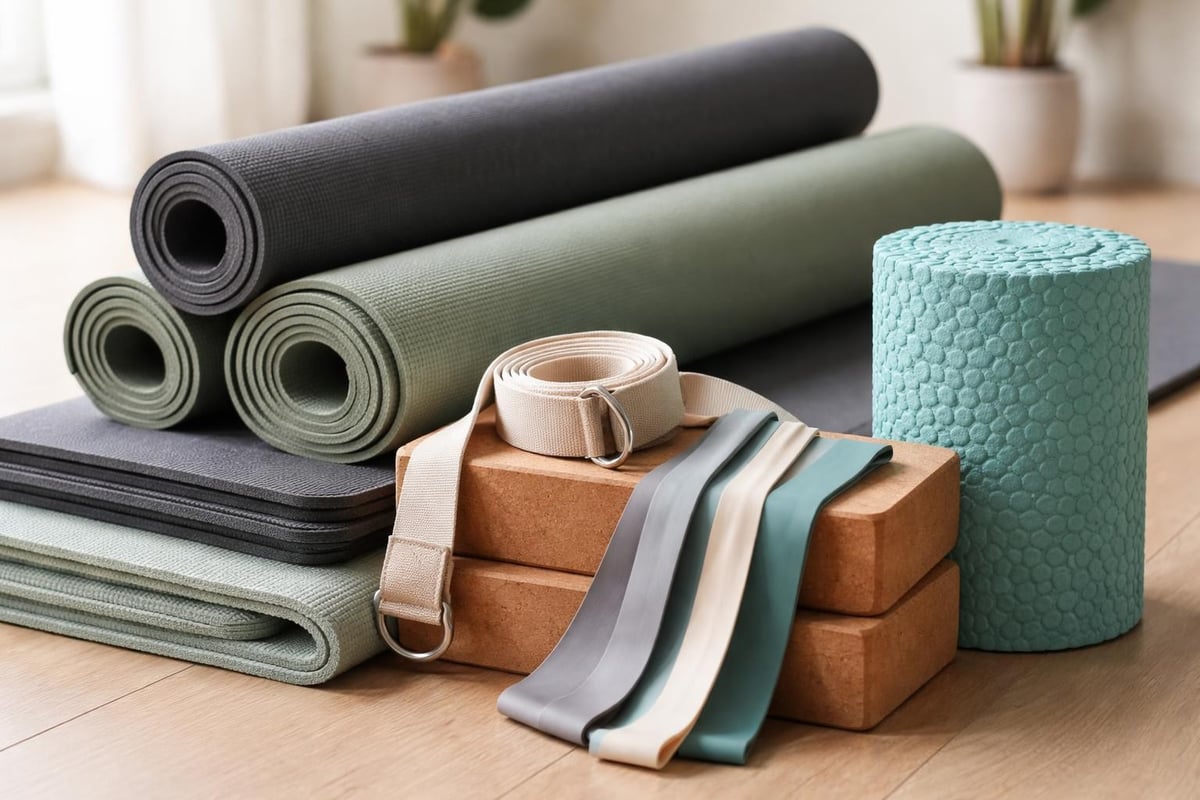
Your mat is literally the foundation of your entire practice, so let's start here. The yoga and pilates equipment market is flooded with options ranging from $15 bargain mats that smell like a tire factory to $200 luxury options that come with their own meditation playlist (kidding, but barely).
Thickness matters, but not how you might think. While a cushier mat seems appealing, mats thicker than 6mm can actually destabilize your practice. Balance poses become harder, and Pilates movements lose precision. Here's the sweet spot breakdown:
| Mat Thickness | Best For | Trade-offs |
|---|---|---|
| 3-4mm | Yoga flow, balance work | Less joint cushioning |
| 5-6mm | All-around use, Pilates | Goldilocks zone |
| 8mm+ | Restorative yoga, injuries | Reduced stability |
Material composition is where things get interesting. Natural rubber offers unbeatable grip but can trigger latex allergies. PVC mats are durable and affordable but not eco-friendly. TPE (thermoplastic elastomer) strikes a nice middle ground with decent grip, cushioning, and recyclability.
Texture is the secret weapon nobody talks about. A mat with proper texture gives you grip without that sticky feeling that makes you feel like you're practicing on flypaper. Test this by doing a downward dog. If your hands slide forward even slightly, that mat isn't working hard enough.
Looking at expert recommendations for at-home equipment, professionals consistently emphasize investing in a quality mat over fancy props because it's the one piece you'll use every single session.
Let's talk about the supporting cast of yoga and pilates equipment. These aren't just Instagram props (though they definitely look good in your #yogalife posts). When used correctly, they can unlock poses that seemed impossible and make Pilates exercises significantly more effective.
Yoga blocks are like the training wheels of your practice, except they're actually cool and you never outgrow them. Can't touch the floor in triangle pose? Block. Need to elevate your hips in bridge? Block. Want to rest your forehead during child's pose without feeling like a pretzel? You guessed it.
Quality blocks come in three materials:
Pro tip: get two blocks. Seriously. Your future self doing supported shoulder stands will thank you.
Resistance tools have exploded in popularity, and for good reason. They add variable resistance that builds strength without the bulk of weights. Pilates circles (also called magic circles, which is adorable) create isometric tension that fires up muscles you didn't know existed.
Resistance bands come in every color of the rainbow and about forty different resistance levels. Start light. Your ego might say "I can handle the heavy band," but your shoulder rotator cuff is begging you to reconsider.
Yoga straps extend your reach and improve flexibility safely. They're especially clutch for shoulder work and hamstring stretches where forcing the movement could lead to injury. When selecting workout equipment, think about versatility and how each piece complements your existing routine.
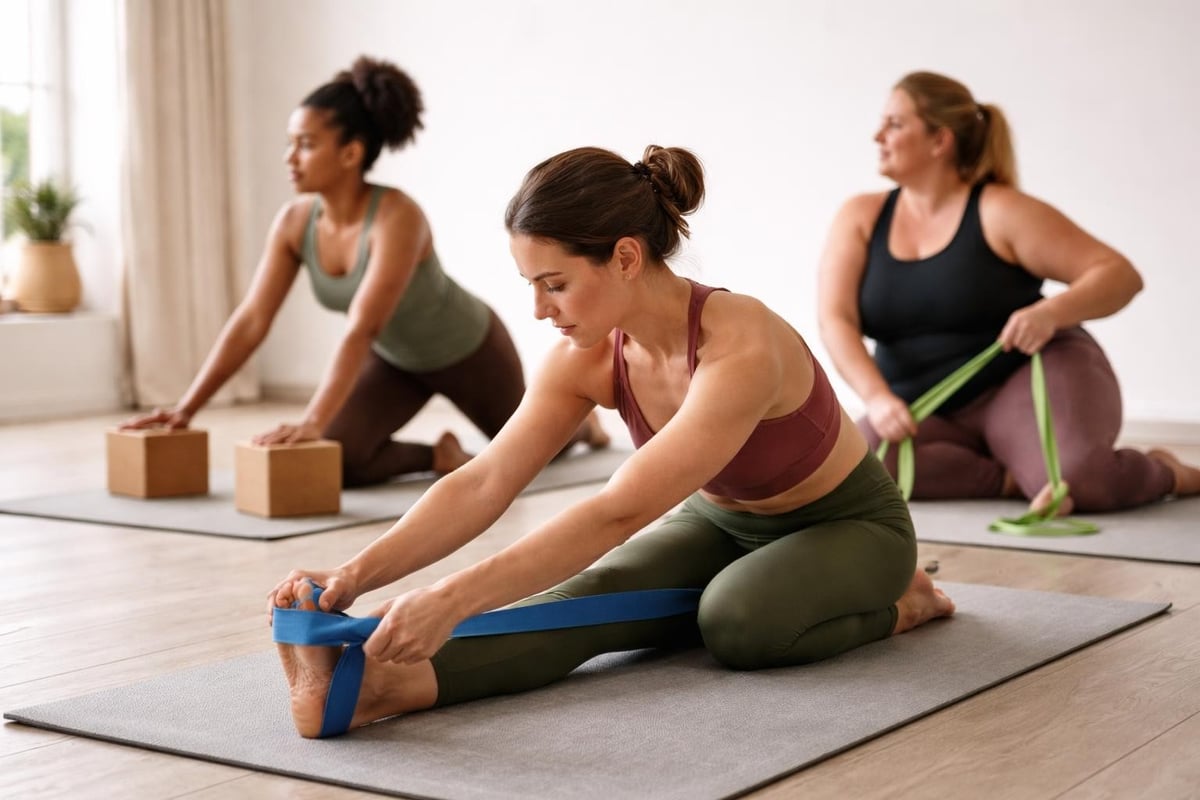
Traditional Pilates involves some seriously impressive (and impressively large) apparatus. We're talking reformers, Cadillacs, chairs, and barrels that look like they belong in either a high-end gym or a really specific kind of museum. But you don't need to mortgage your house to get an effective Pilates workout at home.
Reformers are the Mercedes of yoga and pilates equipment. They provide variable resistance through springs and pulleys, offering hundreds of exercise variations. They're also massive, expensive (think $300 to $5,000+), and require serious commitment.
Here's what WIRED's comprehensive guide reveals about home reformers:
Unless you're deeply committed to Pilates (like, teaching-level committed), consider starting with smaller apparatus and resistance tools that deliver similar benefits without requiring a dedicated room.
Pilates chairs, spine correctors, and foam rollers offer targeted benefits without eating your entire living room. A quality foam roller, for instance, serves double duty for both myofascial release and Pilates exercises.
Speaking of foam rollers, recovery is a crucial part of any movement practice. The relationship between active exercise and recovery work has become increasingly important, with multi-functional gym equipment bridging the gap between workout and recovery.
Here's where the yoga and pilates equipment world gets really exciting. Remember when "portable" meant stuffing a rolled-up mat into an already overstuffed gym bag? Those days are done. The 2026 fitness landscape prioritizes innovation that doesn't sacrifice quality for convenience.
Travel-friendly gear has evolved beyond just being lightweight. We're talking about equipment that literally transforms to fit your lifestyle. Collapsible designs, modular systems, and space-saving innovations mean you never have to choose between a great workout and a realistic living situation.
Modern active individuals need equipment that keeps up with their dynamic lives. Whether you're a frequent traveler, someone with limited space, or just someone who refuses to let their living room become a permanent gym, innovative portable solutions make consistency achievable.
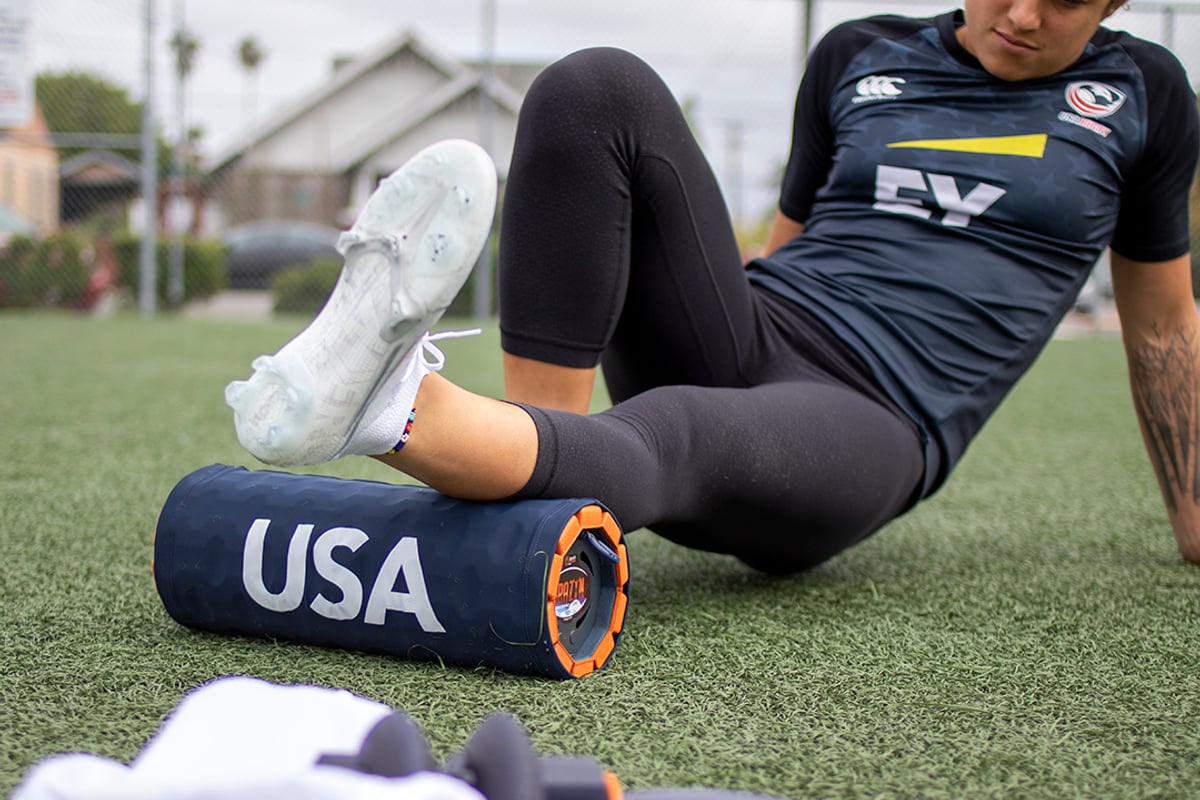
Recovery tools have seen particular innovation in portability. The Morph Foam Roller exemplifies this shift perfectly, it collapses flat for easy packing but provides the same density and effectiveness as traditional rollers. This kind of thoughtful design means you can maintain your recovery routine whether you're home, at the hotel gym, or sneaking in some self-care during a work conference.
| Traditional Equipment | Modern Portable Alternative | Space Saved |
|---|---|---|
| Standard foam roller | Collapsible roller | 75% |
| Full-size mat + bag | Foldable travel mat | 60% |
| Resistance band set with handles | Loop bands with accessories | 40% |
| Multiple props | Multi-function tools | 50%+ |
2026 has brought us yoga and pilates equipment that would make our 2020 selves' heads spin. We're not just talking about fitness tracking apps (though those are cooler than ever). We're talking about actual smart equipment that provides real-time feedback, form correction, and programming that adapts to your progress.
Smart mats can detect your weight distribution and suggest alignment corrections through connected apps. Reformers with integrated sensors track resistance levels and rep counts. Some props even vibrate to indicate optimal muscle engagement (sounds weird, feels awesome).
But here's the million-dollar question: is it worth it?
For beginners, smart equipment can accelerate learning by providing feedback that would normally require an instructor. For intermediate practitioners, it offers progression tracking and motivation. For advanced practitioners, it's honestly optional, you already know what proper form feels like.
The catch? Smart equipment typically costs 2-3 times more than traditional options. Consider whether you'll actually use those features or if they'll just make you feel guilty while collecting dust.
Let's talk strategy. You don't need every piece of yoga and pilates equipment ever invented. You need the right pieces for YOUR practice. Here's how to build a functional home setup without requiring a second mortgage.
Essential pieces for beginners:
This setup covers 90% of yoga and Pilates exercises you'll encounter in beginner and intermediate classes. Everything else is enhancement, not requirement.
Once you've got six months to a year of consistent practice under your belt:
Now we're talking reformers, chairs, barrels, and those gorgeous cork blocks that cost as much as dinner out. But honestly? Most practitioners never need this level. Unless Pilates or yoga is your profession or primary hobby, the intermediate setup serves you beautifully for years.
When shopping, websites like TeninoVentures offer workout wear and accessories that complement your equipment setup, because let's face it, having cute gear makes you more likely to actually use it.
Not all yoga and pilates equipment is manufactured equally. The material composition affects everything from durability to performance to whether you'll be sneezing from chemical off-gassing six months from now.
According to industry specifications, proper yoga and Pilates equipment should meet specific density, tear resistance, and chemical safety standards. But manufacturers aren't always transparent about these details.
Red flags in equipment materials:
Natural materials like cork, rubber, and cotton generally outlast synthetic alternatives, but they come with higher price tags. Synthetic materials have improved dramatically, with TPE and high-grade PVC offering excellent performance at more accessible price points.
The sweet spot? Look for equipment from established brands with transparent manufacturing processes. Read reviews specifically mentioning durability after 6+ months of use. And remember: if the price seems too good to be true, it probably is.
Here's something nobody tells you until you've already ruined a $100 mat: yoga and pilates equipment requires actual maintenance. Shocking, we know. But proper care can triple the lifespan of your gear, making that initial investment pay off big time.
Weekly routine:
Monthly deep clean:
Props like blocks and straps need less frequent cleaning but benefit from occasional wipes with disinfectant. Resistance bands should be stored away from direct sunlight, which degrades the material over time.
Foam rollers need special attention. Surface tears or significant density changes mean it's time for replacement. A quality roller should maintain its shape and firmness for 2-3 years of regular use.
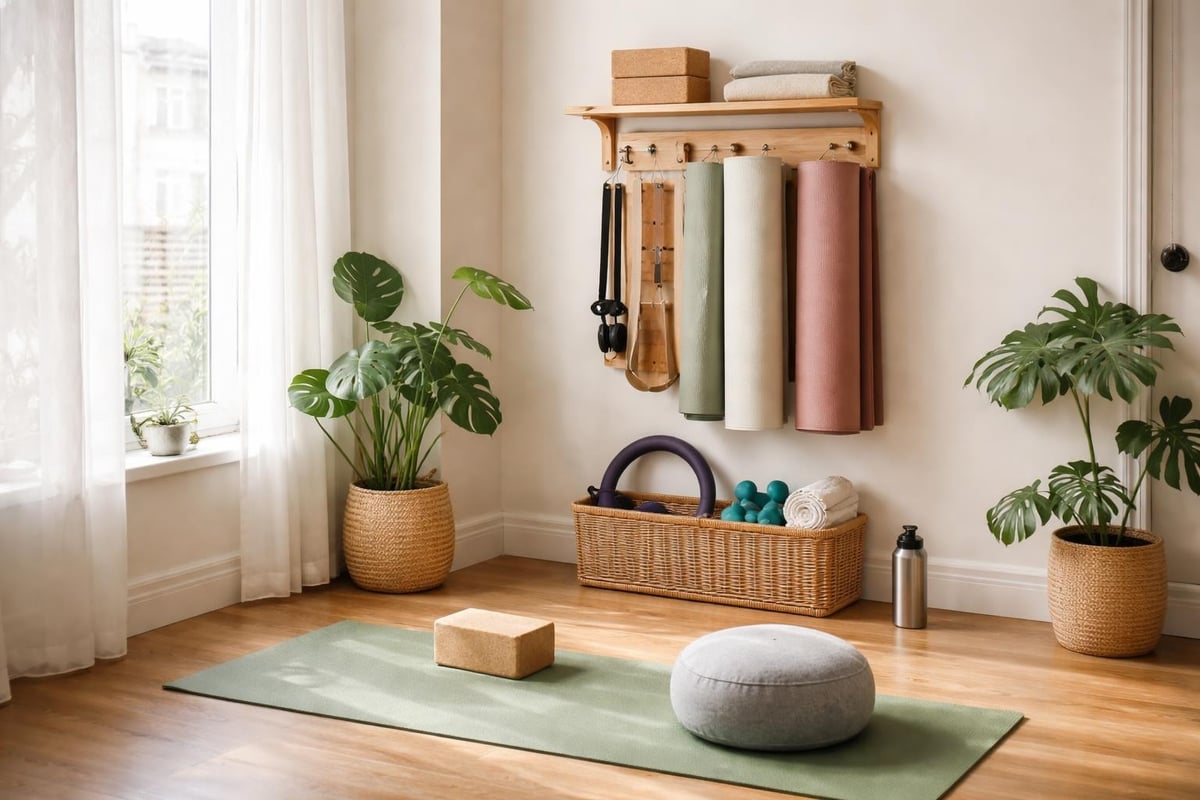
The struggle is real: you want access to your yoga and pilates equipment, but you also don't want your home to look like a gym exploded. Smart storage keeps your gear in good condition while maintaining your sanity (and your security deposit).
Vertical storage wins:
Hidden storage champions:
The key is making gear accessible enough that you'll actually use it but contained enough that your living space doesn't feel cluttered. Equipment you have to dig through three closets to find is equipment you won't use, no matter how great it is.
Not all yoga is created equal, and your equipment needs vary dramatically based on your preferred practice style. A hot yoga enthusiast needs completely different gear than someone focused on restorative yin sessions.
| Style | Essential Equipment | Optional But Helpful |
|---|---|---|
| Vinyasa Flow | Non-slip mat, blocks | Strap, towel |
| Hot Yoga | Grippy towel, thin mat | Extra towel, water bottle |
| Yin/Restorative | Bolster, blocks, blanket | Eye pillow, sandbag |
| Power Yoga | Thick mat, blocks | Weights, resistance bands |
| Classical Pilates | Mat, circle, bands | Reformer, chair |
| Contemporary Pilates | Mat, small ball, bands | Foam roller, weights |
Your body type also influences equipment selection. Taller practitioners benefit from extra-long mats (beyond the standard 68 inches). Those with joint sensitivities need thicker cushioning. People with sweaty palms require extra-grippy materials.
Let's talk about something that matters more each year: the environmental impact of yoga and pilates equipment. The fitness industry generates tons (literally) of plastic waste annually. But conscious choices can minimize your footprint while still getting effective gear.
Eco-friendly material options:
The challenge? Eco-friendly often means expensive. But here's where it gets interesting: sustainable equipment typically outlasts cheaper alternatives by 2-3x, making the per-use cost actually lower over time.
Consider purchasing from companies with take-back or recycling programs. Some brands will recycle your old mat when you purchase a new one. Others donate gently used equipment to community programs. Small actions, significant cumulative impact.
Choosing the right yoga and pilates equipment doesn't have to be overwhelming when you focus on quality over quantity and prioritize pieces that genuinely serve your practice goals. Whether you're building your first home studio or upgrading gear that's seen better days, investing in versatile, durable equipment that fits your lifestyle makes all the difference in maintaining a consistent practice. Ready to level up your routine with innovative, portable gear that goes wherever life takes you? Check out what Brazyn Life has designed for modern dream chasers who refuse to compromise on quality or convenience.
