Your Cart is Empty


So you've decided to get serious about building muscle, and now you're staring at a warehouse full of muscle gym equipment wondering what the heck you actually need. Don't worry, you're not alone. Between cable machines, dumbbells, barbells, and contraptions that look like medieval torture devices, the fitness world can feel overwhelming. The good news? You don't need every piece of equipment in the gym to build serious muscle, and understanding what actually works will save you time, money, and a whole lot of confusion. Let's break down everything you need to know about muscle gym equipment in 2026, from the basics to the game-changers that'll help you reach your goals.
Here's the truth: muscle growth happens when you challenge your muscles with progressive resistance. That resistance can come from a barbell, a machine, your body weight, or even a resistance band. The key is understanding how different types of muscle gym equipment deliver that resistance and which tools align with your specific goals.
Research shows that muscle growth, or hypertrophy, occurs when you create mechanical tension, metabolic stress, and muscle damage through resistance training. According to guidance on high-quality gym equipment, the best equipment helps you achieve all three of these factors safely and effectively.
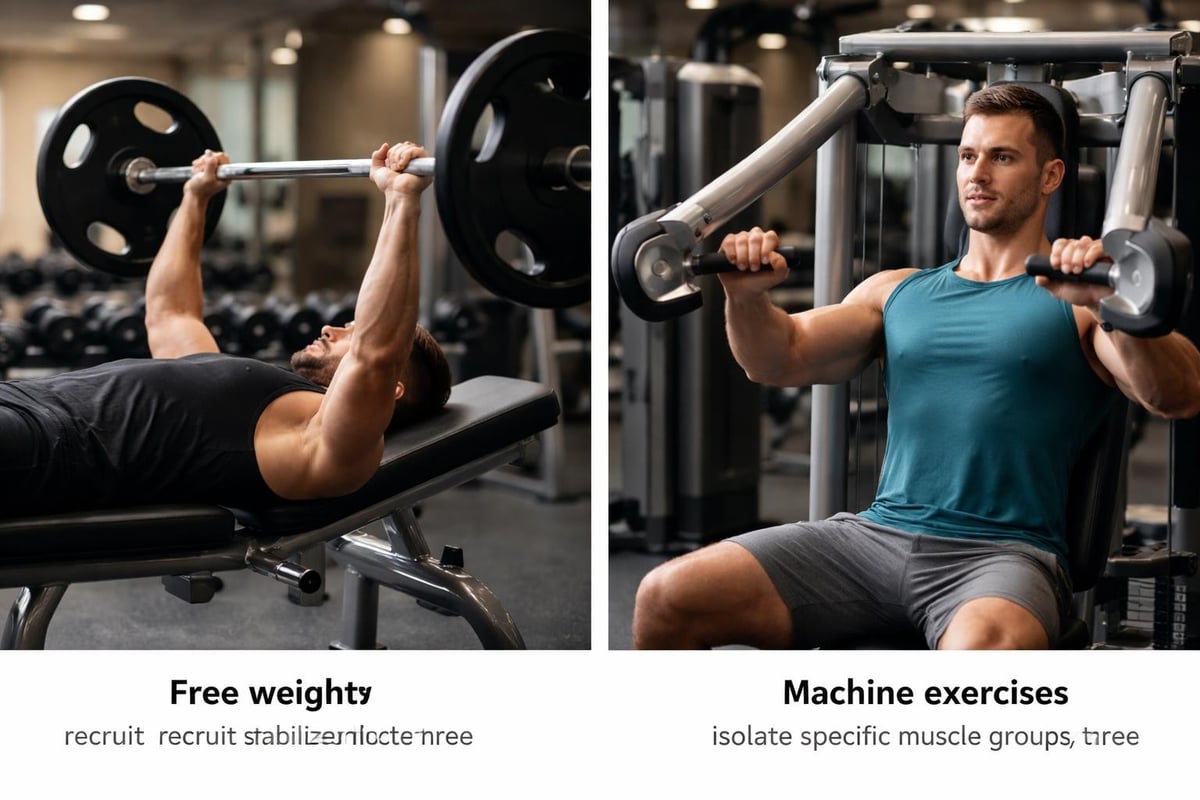
This debate has been raging since the first Nautilus machine rolled onto the gym floor, and honestly? Both have their place. Here's how they stack up:
| Feature | Free Weights | Machines |
|---|---|---|
| Muscle Activation | Higher stabilizer engagement | More isolated muscle targeting |
| Learning Curve | Steeper, requires technique | Easier to master quickly |
| Versatility | Extremely high | Limited to designed movements |
| Space Required | Minimal | Significant footprint |
| Cost | Lower upfront investment | Higher initial cost |
Free weights like dumbbells and barbells force your body to stabilize the weight throughout the movement, recruiting more muscle fibers and improving functional strength. Machines, on the other hand, guide your movement along a fixed path, which can be perfect for isolating specific muscles or training safely when you're fatigued.
If you're just starting out, you don't need a gym that looks like Dwayne Johnson's personal playground. Focus on these fundamentals:
The Core Collection:
According to experts who actually use home gym equipment in 2025, these five pieces cover about 90% of the exercises you need for muscle building. Everything else is just icing on the cake.
Start with what you can afford and what fits your space. A quality barbell, a few hundred pounds of plates, an adjustable bench, and some dumbbells will run you anywhere from $500 to $2,000 depending on the brands you choose. That might sound like a lot, but it's less than a year of gym memberships in most cities.
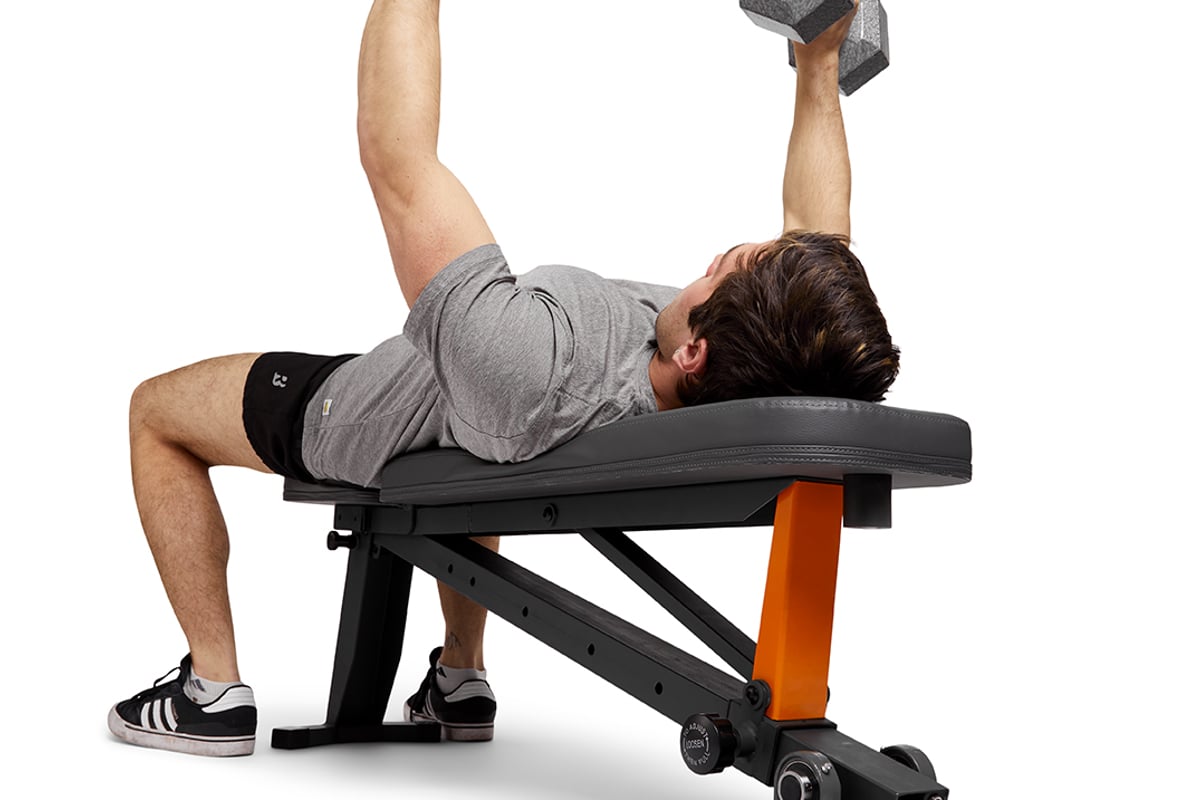
For those tight on space, consider multi-functional gym equipment that serves multiple purposes. A FLiPBENCH, for example, gives you all the functionality of a premium incline/decline bench but only takes up one square foot when you're not using it. Flip it down for a great workout, flip it up and reclaim your living room.
Once you've mastered the basics and your beginner gains start to plateau (usually around the 6-12 month mark), it's time to consider adding more specialized muscle gym equipment to your arsenal.
A power rack is the centerpiece of any serious strength training setup. It allows you to safely perform heavy squats, bench presses, and overhead presses without a spotter. Look for racks with:
According to commercial gym equipment reviews, the best racks in 2026 feature modular designs that let you add cable systems, landmine attachments, and dip stations as your needs evolve.
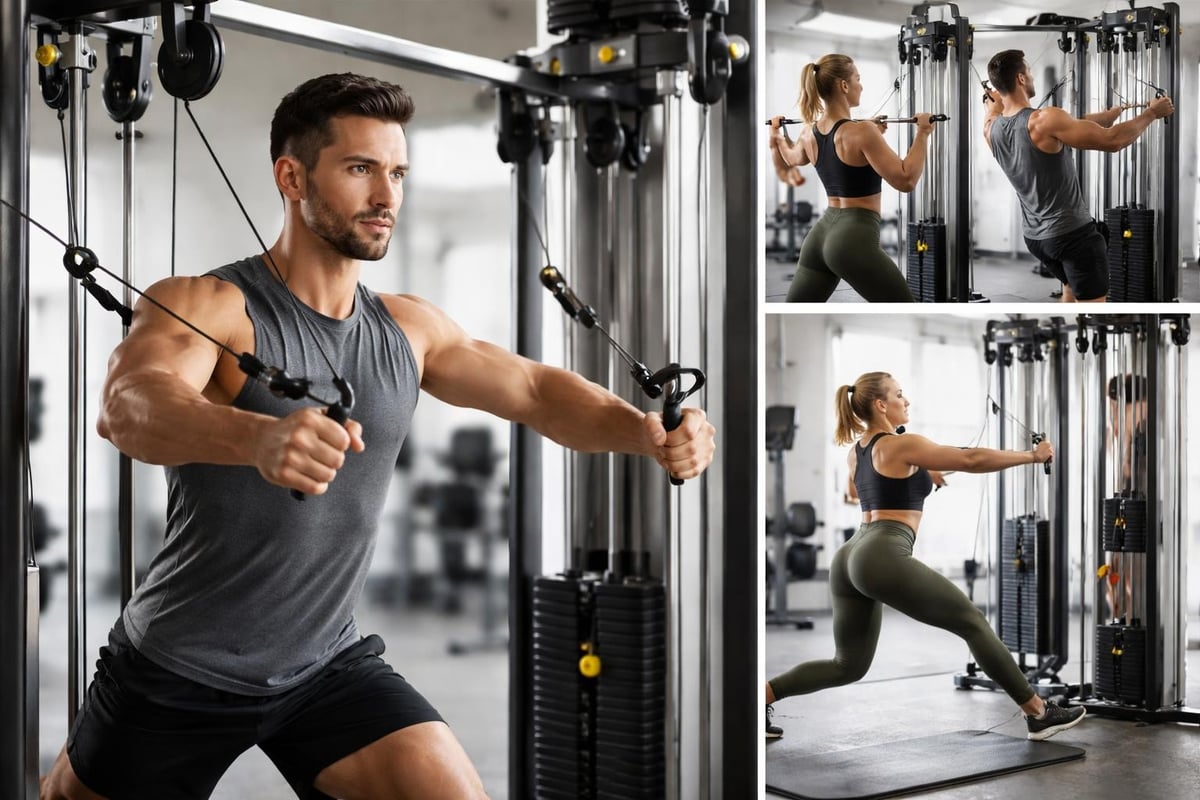
Cable machines offer constant tension throughout the entire range of motion, which creates a different stimulus than free weights. This makes them excellent for muscle gym equipment focused on hypertrophy and muscle definition.
Benefits of cable training:
Sometimes you need to bring out the specialized tools to hit stubborn muscle groups or add variety to your training. These pieces of muscle gym equipment might not be essential, but they can make a real difference.
Your legs contain the largest muscle groups in your body, and they respond well to heavy loading. While barbell squats are fantastic, machines like the leg press and hack squat allow you to:
According to strength equipment reviews, plate-loaded leg presses remain more reliable than selectorized versions for serious strength training.
Standard barbells are great, but specialty bars can reduce joint stress and allow you to train through injuries:
| Bar Type | Primary Benefit | Best For |
|---|---|---|
| Safety Squat Bar | Reduces shoulder stress | Lifters with shoulder mobility issues |
| Swiss Bar | Neutral grip options | Pressing movements with elbow pain |
| Trap Bar | More natural deadlift position | Lower back-friendly pulling |
| Cambered Bar | Increased range of motion | Advanced bench press training |
Here's something most muscle building articles skip: recovery is where the growth happens. You don't build muscle in the gym; you build it while you rest. Smart lifters invest in recovery tools as seriously as they invest in barbells.
Modern recovery tools have come a long way from just foam rollers and tennis balls. Workout equipment designed for recovery now includes percussion massage guns, vibration platforms, and compression therapy systems.
For serious muscle builders, incorporating proper recovery techniques can reduce soreness by up to 30% and improve your ability to train consistently. Consistency, after all, is what separates people who make progress from people who spin their wheels.
Percussion massage guns have exploded in popularity over the past few years, and for good reason. They help break up adhesions in muscle tissue, improve blood flow, and reduce delayed-onset muscle soreness (DOMS).
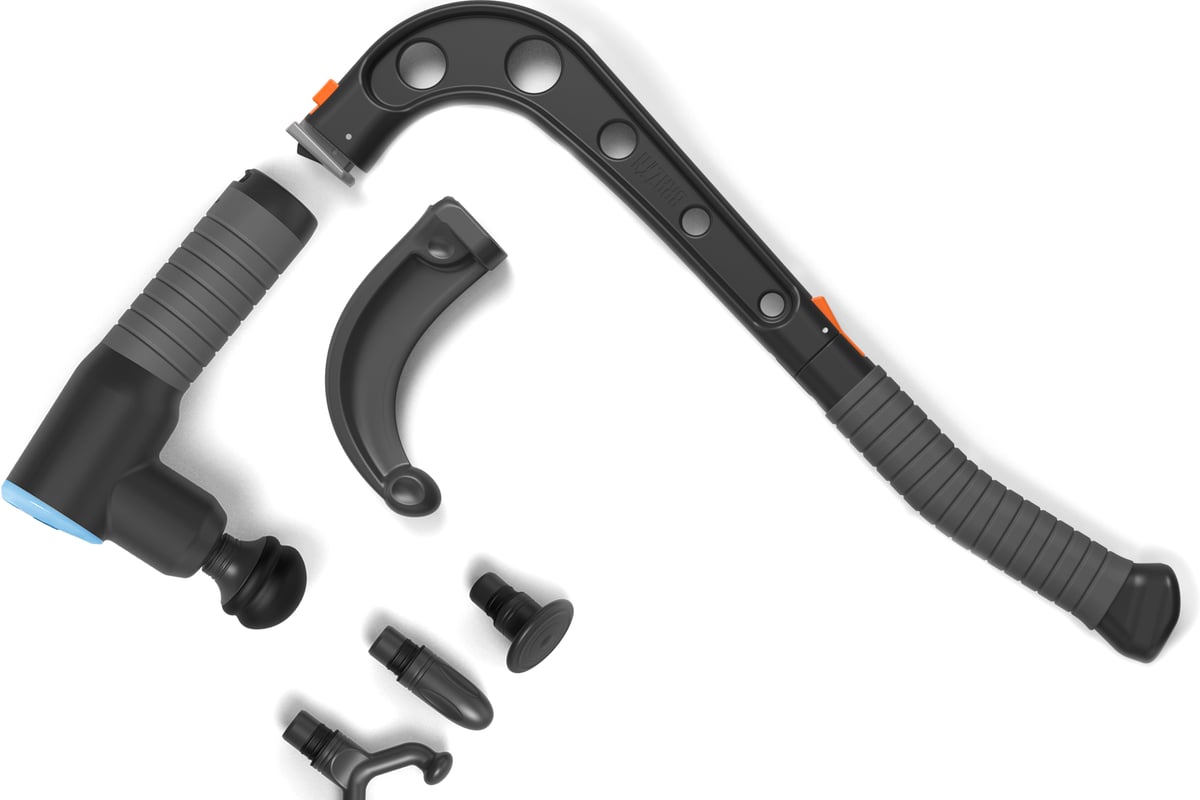
The challenge with most massage guns? You can't reach your own back effectively. That's where innovative solutions like the Talon Massage Gun make a difference. It's the world's first percussion massage gun with its own clip-on extension arm, making it easy to reach every muscle on your body. You can use it as a premium hand-held massage gun, but the modular system also lets you clip on the holder arm for comfortable self-massage on your back and lower body.
One of the biggest mistakes people make when buying muscle gym equipment is going for the cheapest option available. Here's the thing: cheap equipment breaks, feels terrible to use, and can actually increase your injury risk.
Signs of quality muscle gym equipment:
According to equipment standards and properties, quality gym equipment should meet specific safety certifications and be designed with user biomechanics in mind.
Whenever possible, test muscle gym equipment before you buy it. Visit a gym that has the machine you're considering, or find a showroom where you can try different options. Pay attention to:
Welcome to 2026, where even your barbell might have Bluetooth. Smart technology has infiltrated the muscle gym equipment world, and while some of it is gimmicky, some innovations actually improve your training.
Legitimate smart features worth considering:
Research from modern gym equipment trends shows that lifters who track their workouts consistently make 30% faster progress than those who don't. Smart equipment just makes tracking easier.
Here's the uncomfortable truth: you don't need any of this to build muscle. People built impressive physiques for decades with nothing but iron and chalk. Smart features are nice-to-haves, not must-haves. If you're choosing between a basic quality rack and a cheaper smart rack, pick quality every time.
You can have the best muscle gym equipment in the world, but if your gym layout is a mess, your workouts will suffer. Proper equipment placement improves safety, efficiency, and your overall training experience.
Minimum space requirements for common equipment:
Add 2-3 feet of clearance around each piece for safe movement. According to proper gym equipment usage, proper spacing reduces injury risk and improves workout flow.
For home gyms, consider equipment that saves space without sacrificing functionality. New exercise equipment in 2026 focuses heavily on space-saving designs that maintain the quality and effectiveness of traditional gear.
Quality muscle gym equipment should last decades, but only if you take care of it. Neglected equipment becomes unsafe equipment, and unsafe equipment leads to injuries that halt your progress.
Monthly maintenance checklist:
Most equipment failures happen gradually. A bolt loosens a little each session until suddenly your bench collapses mid-press. Ten minutes of monthly maintenance prevents these catastrophic failures.
Some muscle gym equipment lasts forever with basic maintenance. Quality barbells, weight plates, and benches can serve multiple generations. Electronic components, cables, and upholstery wear out faster.
Replace immediately if you notice:
Unless you have unlimited funds (and if you do, we should be friends), you'll need to prioritize your muscle gym equipment purchases. Here's a smart approach based on what delivers the most value.
Allocate your budget like this:
| Percentage | Category | Examples |
|---|---|---|
| 50% | Core equipment | Barbell, plates, rack, bench |
| 30% | Supplemental tools | Dumbbells, cables, specialty bars |
| 20% | Accessories & recovery | Bands, collars, recovery tools |
This ensures you have everything you need to train effectively while leaving room for nice-to-have items that enhance your experience.
According to muscle-building machines and equipment, investing heavily in versatile core equipment provides better long-term value than spreading your budget across many specialized pieces.
You don't need to buy everything at once. In fact, you shouldn't. Build your muscle gym equipment collection strategically over time as your training needs evolve.
Year 1: The Foundation
Year 2: The Expansion
Year 3: The Refinement
This approach spreads the cost over time and lets you learn what you actually use versus what just looks cool in Instagram gym photos.
Building muscle requires the right combination of consistent training, proper nutrition, and smart equipment choices. You don't need every piece of muscle gym equipment on the market, but investing in quality tools that match your goals will pay dividends in your progress and enjoyment. Whether you're setting up a home gym or just want to understand what works at your local facility, focus on versatile, well-built equipment that supports progressive overload. Ready to take your training to the next level? Brazyn Life specializes in innovative, space-saving fitness gear designed for people who want serious results without sacrificing their living space or compromising on quality.
