Your Cart is Empty


Let's be honest: the first time you tried foam rolling, you probably made some noises that scared your neighbors. Maybe you questioned every life choice that led you to that moment of exquisite torture. But here's the beautiful truth: once you got past that initial "holy moly, that hurts so good" phase, you realized your muscles were singing hallelujah. Now imagine having not just one foam roller, but an entire arsenal of recovery tools at your fingertips. That's exactly what a foam roller kit brings to your fitness game, and trust me, your muscles are about to throw you a thank-you party.
Sure, you could buy just a standard foam roller and call it a day. But that's like buying a car with no steering wheel. It'll get you somewhere, but the journey won't be pretty.
A quality foam roller kit gives you options, people. Different densities for different muscle groups. Various sizes for targeting those sneaky trigger points that hide in your shoulders. Maybe some massage balls that can really dig into those stubborn knots your foam roller can't quite reach.
Here's what makes kits the smarter choice:
Research from Harvard Health shows that foam rolling can reduce muscle tension and soreness, making it an essential tool for active individuals. When you have a complete kit, you're ready to tackle any recovery challenge your workout throws at you.
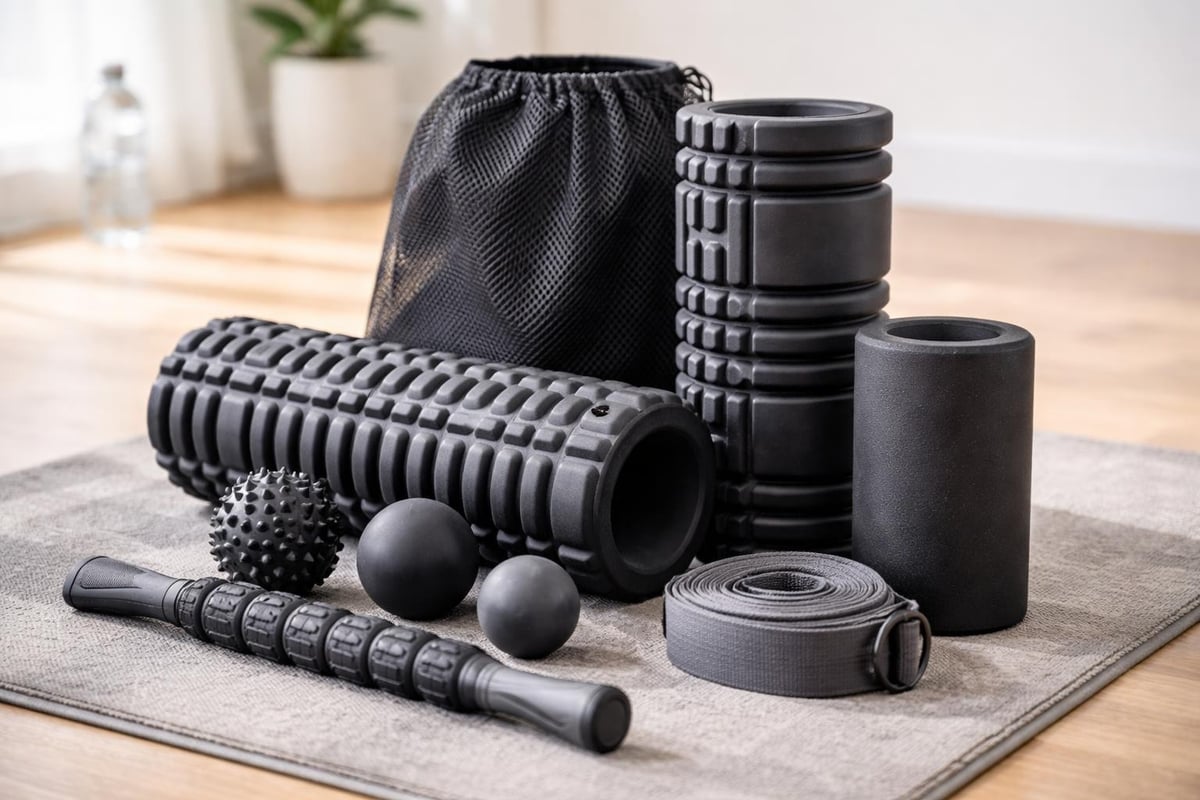
Not all foam roller kits are created equal. Some companies throw in a bunch of random stuff and call it a kit. Others carefully curate tools that actually work together to give you a complete recovery experience.
Your kit absolutely needs these essentials, or you're basically just buying overpriced plastic:
These extras separate the "meh" kits from the "wow, this is awesome" kits:
| Component | Beginner Benefit | Advanced Benefit |
|---|---|---|
| Standard Roller | Gentle introduction to self-myofascial release | Daily maintenance and warm-up |
| Textured Roller | Builds tolerance gradually | Deep tissue work and stubborn knots |
| Massage Ball | Targets specific trigger points | Precision work on small muscle groups |
| Carrying Case | Keeps everything together | Portability for gym or travel |
Let's get nerdy for a second (but make it fun). According to the American Council on Exercise, foam rolling offers six major benefits including reducing muscle adhesions and improving joint range of motion. When you have a complete foam roller kit, you're multiplying these benefits because you can target different tissue types and muscle groups more effectively.
Think of it this way: trying to recover all your muscles with just one foam roller is like trying to cook an entire Thanksgiving dinner with only a spoon. Sure, technically possible, but why would you torture yourself?
For pre-workout: Rolling before exercise increases blood flow, wakes up sleepy muscles, and helps you move better. Studies show this can actually improve your performance during your workout.
For post-workout: This is where the magic happens. Cleveland Clinic emphasizes foam rolling's role in alleviating muscle tightness and soreness. Having multiple tools means you can do a complete post-workout routine instead of just hitting the big muscle groups.
For recovery days: Your muscles need love even when you're not working out. A comprehensive kit lets you do maintenance work that keeps you feeling fresh and ready for your next training session.
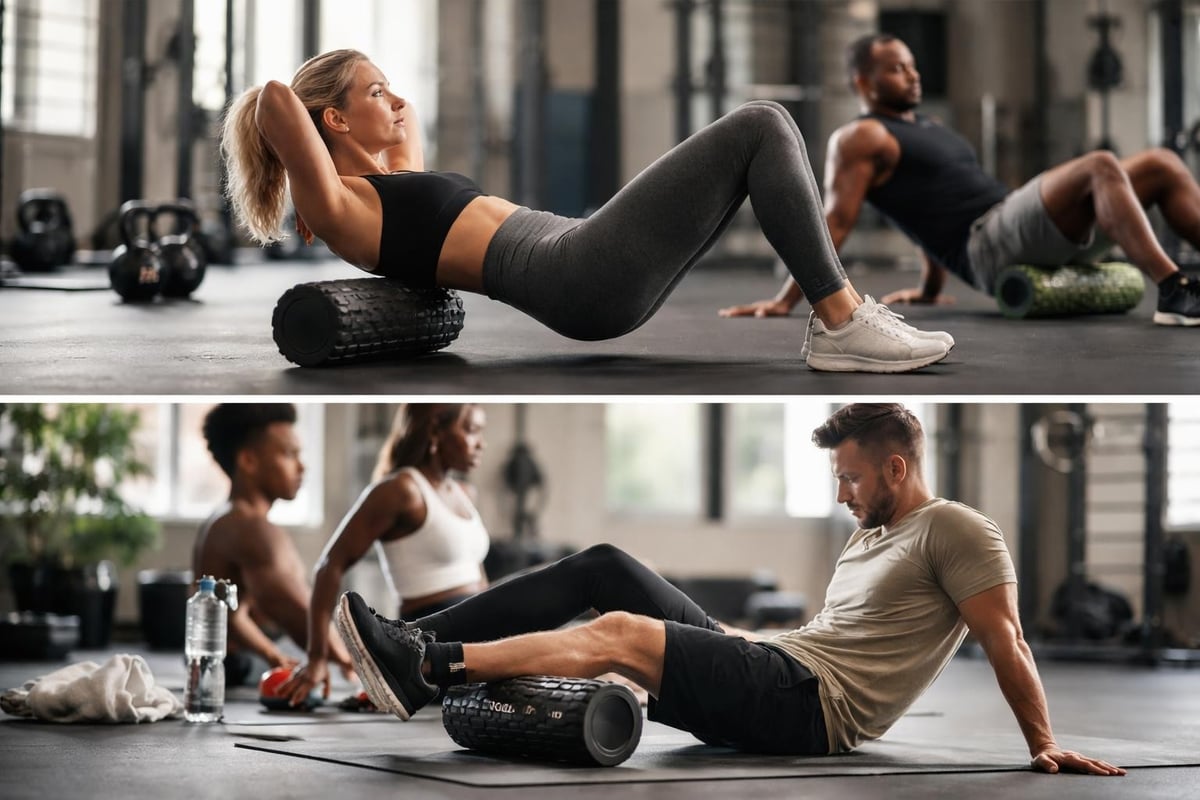
Real talk: most people use foam rollers wrong. They roll too fast, don't spend enough time on tender spots, or completely miss important muscle groups. Your foam roller kit comes with multiple tools for a reason, so let's make sure you're using them correctly.
Start with these ground rules, and you'll be golden:
Your foam roller kit isn't a one-size-fits-all situation. Here's how to strategically use different components:
Large foam roller: Perfect for quads, hamstrings, calves, and your back. This is your workhorse.
Small roller or stick: Great for arms, shins, and getting into tighter spaces. Travels well too.
Massage balls: These little warriors tackle your glutes, shoulders, and feet like nobody's business. Park on a trigger point and let gravity do the work.
The UCLA Health team notes that foam rolling can increase range of motion and shorten recovery time, making these tools beneficial for everyone from weekend warriors to serious athletes.
Here's where things get personal. Your ideal foam roller kit depends on your fitness level, goals, and lifestyle. Someone training for their first 5K needs different tools than someone who's crushing CrossFit WODs daily.
If you're new to foam rolling, don't go crazy with the most aggressive kit on the market. Start with:
You can always level up later once you build tolerance and understand what your body needs.
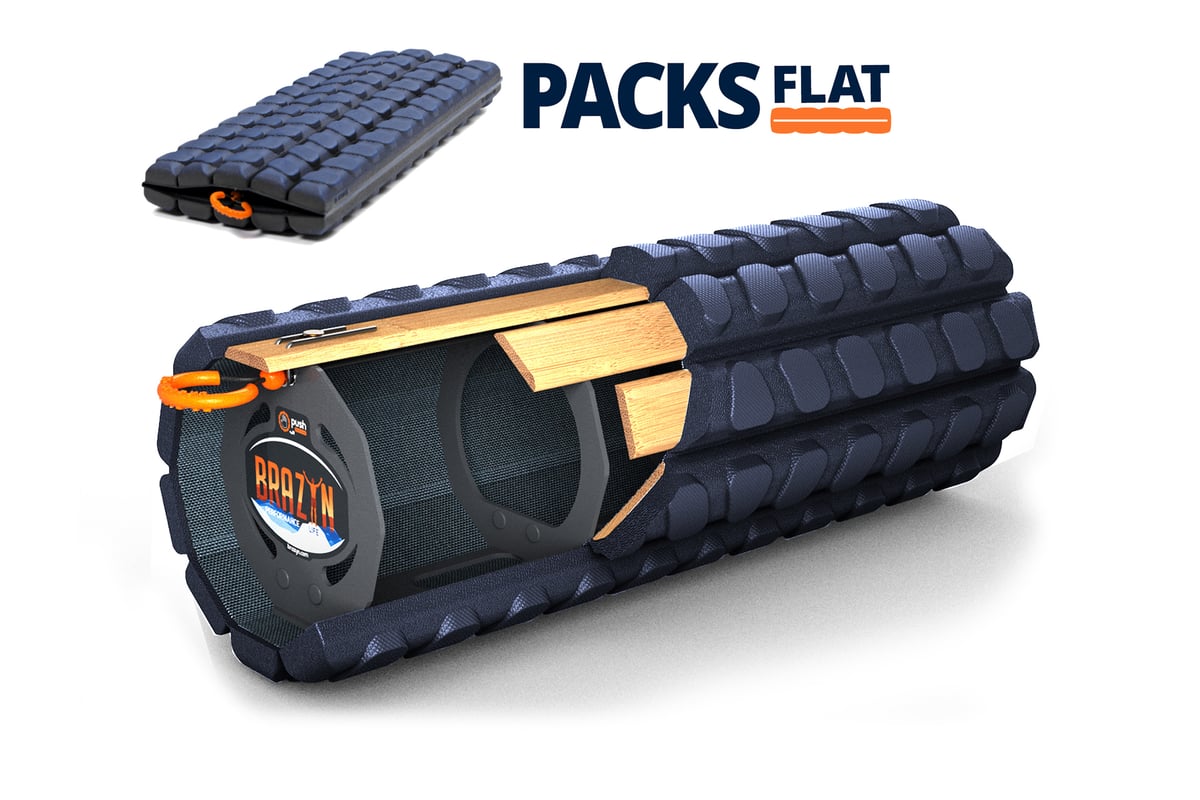
Road warriors need compact, portable solutions. Look for kits that include collapsible or travel-sized options. When you're constantly on the go, having multi-functional gym equipment that doesn't eat up luggage space becomes crucial.
Some companies have really nailed the portability game. The Morph Foam Roller, for instance, collapses flat so you can actually fit it in your suitcase without sacrificing half your wardrobe. It's the kind of innovation that makes you wonder why all foam rollers don't work this way.
You need the full arsenal. Look for kits with:
| User Type | Primary Need | Kit Must-Haves | Nice-to-Haves |
|---|---|---|---|
| Beginner | Gentle introduction | Medium-density roller, basic ball | Instructional video access |
| Traveler | Portability | Collapsible roller, small ball | Compact carrying case |
| Athlete | Variety & intensity | Multiple densities, textured options | Vibrating features |
| Office Worker | Convenience | Compact tools, quick routines | Desk-friendly options |
Nobody wants to talk about maintenance, but let's keep it real: if you're rolling around on these tools regularly, they need cleaning. Your foam roller kit is collecting your sweat, gym floor grime, and whatever else lurks in your workout space.
Basic care routine:
Store your kit in a cool, dry place away from direct sunlight. Heat can break down foam materials faster than you'd think. That carrying case isn't just for transport, it's protecting your investment.
Even with the best foam roller kit, you can still mess things up. Let's save you some trouble by addressing the biggest mistakes people make:
Rolling too fast: This isn't a race. Slow, controlled movements give your fascia time to respond and release.
Skipping warm-up: Cold muscles don't respond well to rolling. Do some light movement first, or use your roller gently as part of your warm-up.
Ignoring pain signals: There's good pain (that "hurts so good" feeling) and bad pain (sharp, shooting, or joint pain). Know the difference.
Only rolling sore spots: Your entire kinetic chain is connected. That shoulder pain might stem from tight hips. Use your whole kit to address your whole body.
Inconsistency: Rolling once a month won't cut it. Make it part of your regular routine for real results.
Research published in BMC Musculoskeletal Disorders shows foam rolling's effectiveness on chronic and acute musculoskeletal pain, but consistency is key to seeing those benefits.
Your foam roller kit doesn't have to be a lone wolf. It plays beautifully with other recovery strategies to create a comprehensive approach to feeling your best.
Foam rolling + stretching: Roll first to release muscle tension, then stretch to increase range of motion. This combo is absolute gold for flexibility gains.
Foam rolling + massage guns: Use your roller for larger muscle groups, then bring in a massage gun for precision work. Some innovative fitness equipment now combines multiple recovery modalities into single systems.
Foam rolling + ice/heat: Roll to break up adhesions, then use ice for inflammation or heat for muscle relaxation depending on your needs.
Foam rolling + proper hydration: This might seem random, but staying hydrated helps your fascia stay pliable and responsive to rolling. Drink up!
Here's a sample weekly schedule that incorporates your foam roller kit:
The National Academy of Sports Medicine recommends foam rolling as part of a comprehensive approach to improving joint range of motion and muscle performance.
Let's get practical. How do you actually integrate this kit into your real life when you're juggling work, workouts, family, and trying to have some semblance of a social life?
Create a dedicated rolling station in your home. Could be a corner of your bedroom, living room, or home gym. Keep your kit visible and accessible. Out of sight means out of mind, and before you know it, those recovery tools are gathering dust in a closet.
Morning routine: Five minutes of gentle rolling can wake up your body better than that third cup of coffee. Focus on your back, hips, and whatever feels tight from sleep.
Evening wind-down: Rolling before bed can actually improve sleep quality by reducing muscle tension and promoting relaxation. Plus, it's a great way to decompress from your day.
Pack the portable components from your kit in your gym bag. Having them there means you have zero excuses to skip post-workout recovery. Rolling right after training maximizes the benefits and helps you recover faster for your next session.
Yes, you can discreetly roll at work. A small massage ball under your desk works wonders for feet, and you can roll your forearms and shoulders during breaks. Your back and hips will thank you for breaking up those long sitting sessions.
Finding small exercise equipment for home use often overlaps with great office solutions since space is limited in both scenarios.
As you get more experienced with foam rolling, your needs will evolve. Start with a basic foam roller kit and add components as you discover what your body responds to best.
Progressive additions might include:
Think of your foam roller kit as a living system that grows with your fitness journey. What works perfectly when you're starting out might need upgrading as your training intensifies.
A quality foam roller kit transforms your recovery game from "I'll just tough it out" to "my muscles feel amazing." Whether you're crushing workouts, sitting at a desk all day, or constantly traveling, having the right tools makes self-care accessible and effective. Ready to level up your recovery routine with gear that's as portable as it is powerful? Check out what Brazyn Life has designed for modern athletes who refuse to compromise on quality or convenience.
