Your Cart is Empty


Let's be real: building your dream home gym or stocking a commercial fitness space can feel like you need a second mortgage. Between treadmills, weight benches, rowing machines, and all the other gear you need, the price tags can make your wallet weep. But here's the secret that savvy fitness enthusiasts have known for years: refurbished exercise equipment offers a brilliant middle ground between breaking the bank and settling for junk. Whether you're a gym owner looking to expand without emptying your business account or a home fitness warrior ready to level up your setup, understanding the refurbished market can transform how you approach your fitness investment.
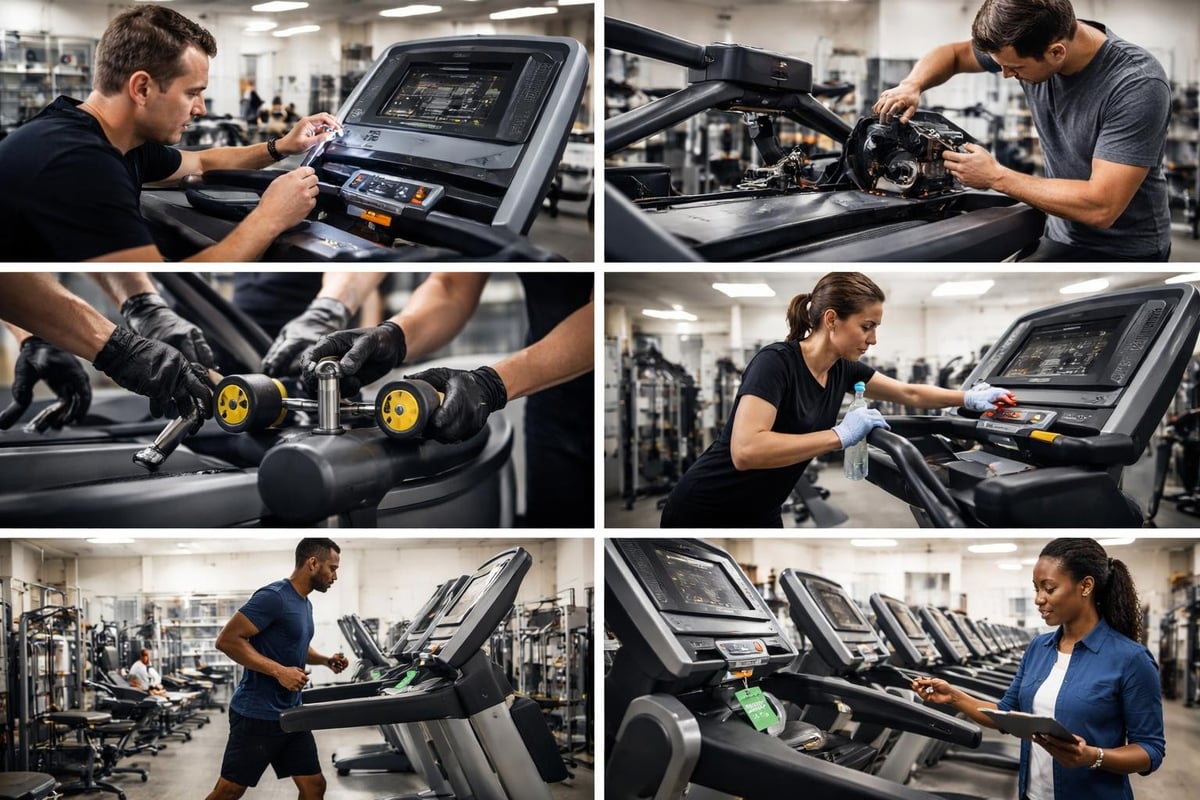
The term "refurbished" gets tossed around a lot, but what does it really mean? Unlike simply "used" equipment that someone owned and then sold as-is, refurbished exercise equipment goes through a systematic restoration process. Professional technicians inspect every component, replace worn parts, clean and sanitize the machine, and test it to ensure it performs like new.
Think of it like this: refurbished products are the phoenix rising from the ashes of their previous life. They've been given a second chance through expert care and attention. The refurbishment process typically includes:
Here's what separates the pros from the pretenders: reputable refurbishment companies document their entire process. They're transparent about what gets replaced, what gets repaired, and what standards they maintain. This isn't your neighbor selling their dusty elliptical on Craigslist. This is professional restoration that brings equipment back to near-original condition.
Let's talk numbers, because that's probably why you're here. Refurbished exercise equipment typically costs 30% to 70% less than brand new models. A commercial-grade treadmill that retails for $5,000 new? You might snag it refurbished for $2,000 to $3,500. That's not pocket change, especially when you're outfitting an entire gym or home workout space.
But the savings don't stop at the sticker price. Consider this comparison:
| Purchase Type | Average Treadmill Cost | Warranty Period | Depreciation Year 1 |
|---|---|---|---|
| Brand New | $4,500 | 3-5 years | 40-50% |
| Refurbished | $2,200 | 90 days - 1 year | 15-20% |
| Used (As-Is) | $1,200 | None | Variable |
The depreciation curve is particularly interesting. New equipment loses almost half its value the moment you set it up, much like driving a new car off the lot. Refurbished exercise equipment has already taken that initial depreciation hit, meaning your investment holds its value better over time.
For businesses, the math gets even more compelling. Physical therapy centers and clinics have discovered that buying refurbished equipment lets them allocate more budget toward patient care and staff training. Smart business owners know that clients care about machine functionality, not whether it rolled off the assembly line last week or last year.
When you invest in quality refurbished gym equipment, you're also dodging some sneaky expenses that come with brand new purchases. Installation fees? Often included with refurbished sales. Extended warranties? Sometimes baked into the price. Delivery charges? Frequently negotiable since refurbishment companies want to move inventory.
Plus, there's the environmental angle that's becoming increasingly important in 2026. By choosing refurbished, you're keeping perfectly good equipment out of landfills and reducing the carbon footprint associated with manufacturing new machines. It's the kind of decision that lets you feel good while saving green.
Okay, let's address the elephant in the room. You're probably thinking, "Sure, I'll save money, but will this equipment fall apart mid-workout?" Fair question. The quality of refurbished exercise equipment depends entirely on who's doing the refurbishing and what standards they maintain.
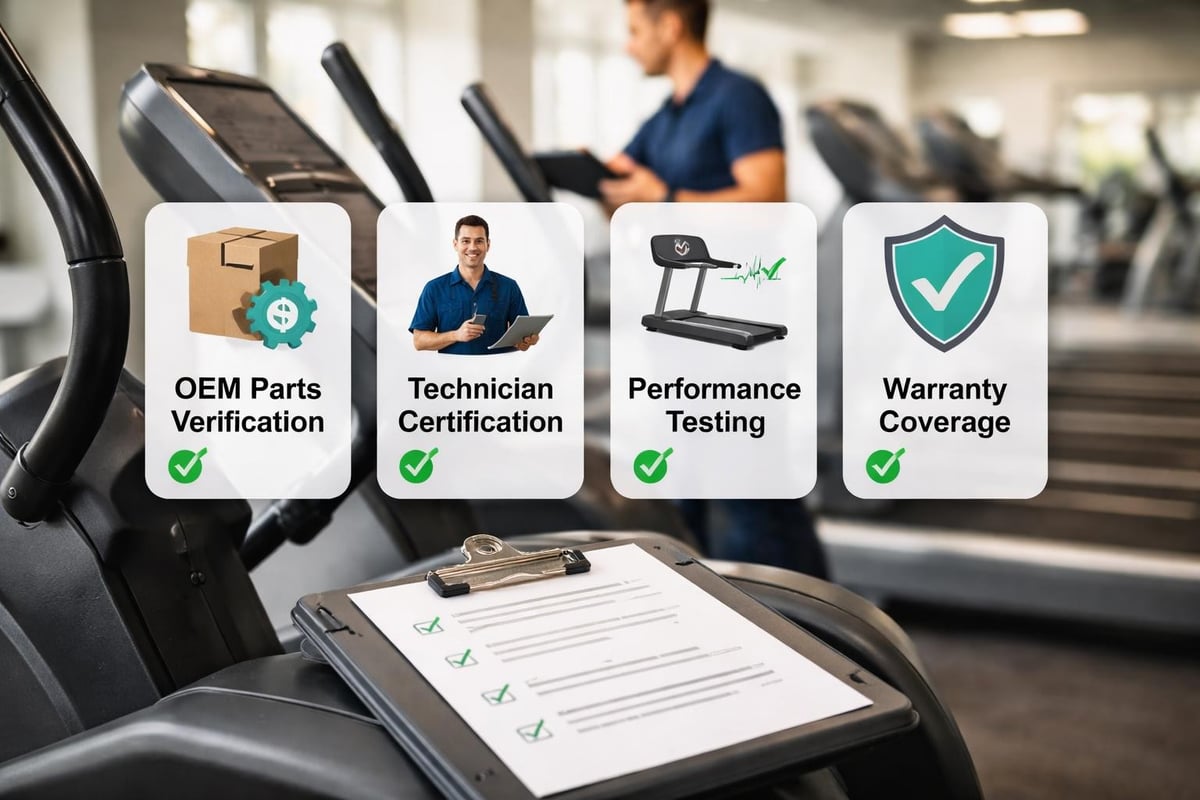
The good news: reputable refurbishment companies stake their entire reputation on quality. They're not in the business of selling junk that breaks down in three months. Industry data shows that professionally refurbished equipment from certified dealers performs comparably to new equipment, with failure rates often under 5% when properly maintained.
The key differentiators include:
Not all refurbished equipment is created equal. Here's what should make you pump the brakes:
The refurbished exercise equipment market has evolved dramatically over the past few years. In 2026, you have more options and better protections than ever before. But navigating this landscape requires some savvy shopping skills.
Comparing marketplace options reveals significant differences in long-term value. Authorized refurbishment channels typically offer better warranties and more reliable quality control than general marketplaces, even if the initial price is slightly higher.
Your buying options break down into several categories, each with pros and cons:
Manufacturer Certified Programs
Specialized Refurbishment Companies
Gym Liquidation Sales
Online Marketplaces
When you're expanding your home gym setup beyond just basic yoga and pilates equipment, refurbished machines let you access professional-grade gear without the professional-grade price tag.
Buying smart is only half the battle. The real magic happens when you maintain your refurbished exercise equipment properly. These machines have already lived one life, so treating them right ensures they'll serve you well for years to come.
Start with a solid inspection routine: Even though your equipment arrived refurbished and tested, you should do your own once-over. Check all bolts, test electronic displays, listen for unusual noises, and verify that safety features work correctly. This baseline assessment helps you catch any issues within the warranty period.
| Maintenance Task | Frequency | Why It Matters |
|---|---|---|
| Belt lubrication (treadmills) | Monthly | Prevents motor strain and belt wear |
| Cable inspection | Weekly | Catches fraying before failure |
| Electronic calibration | Quarterly | Maintains accurate readings |
| Deep cleaning | Weekly | Prevents buildup affecting mechanics |
| Professional service | Annually | Expert catch of issues you might miss |
Lubrication is your best friend on any refurbished cardio equipment with moving parts. Treadmill belts, elliptical tracks, and rowing machine rails all benefit from proper lubrication. Think of it like changing your car's oil: skip it, and you'll pay later with expensive repairs or complete failure.
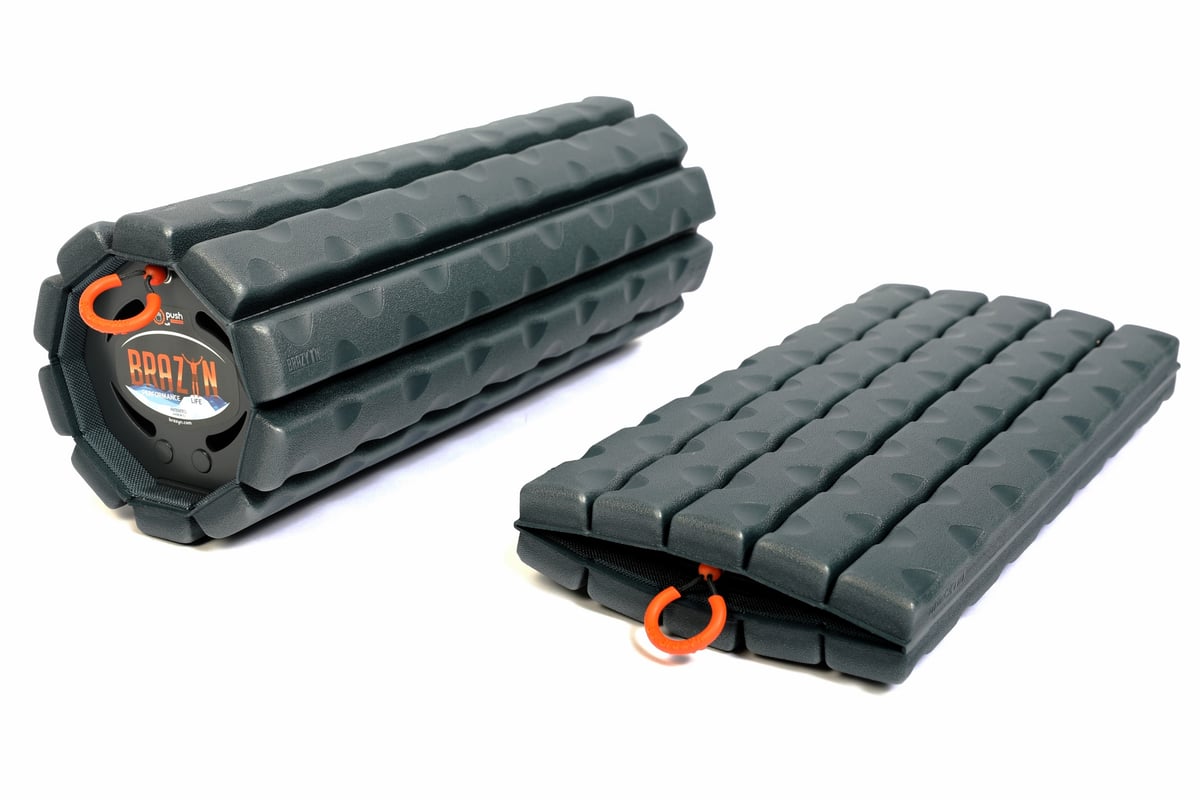
Recovery tools matter just as much as your main workout equipment. After intense sessions on refurbished machines, having quality recovery gear helps you bounce back faster. While you might splurge on that refurbished treadmill or rowing machine, complementing your routine with smart recovery tools keeps you consistent.
The difference between refurbished equipment that lasts two years versus ten years often comes down to consistent maintenance. Set calendar reminders for weekly, monthly, and quarterly tasks. Most modern smartphones make this ridiculously easy-no excuses!
Weekly tasks take maybe 15 minutes total. Wipe down surfaces, check for loose bolts, test electronic functions, and give everything a visual once-over. Monthly tasks might take an hour: deep clean, lubricate moving parts, tighten everything that needs it, and update any software if applicable. Quarterly maintenance could involve more detailed inspections or professional servicing.
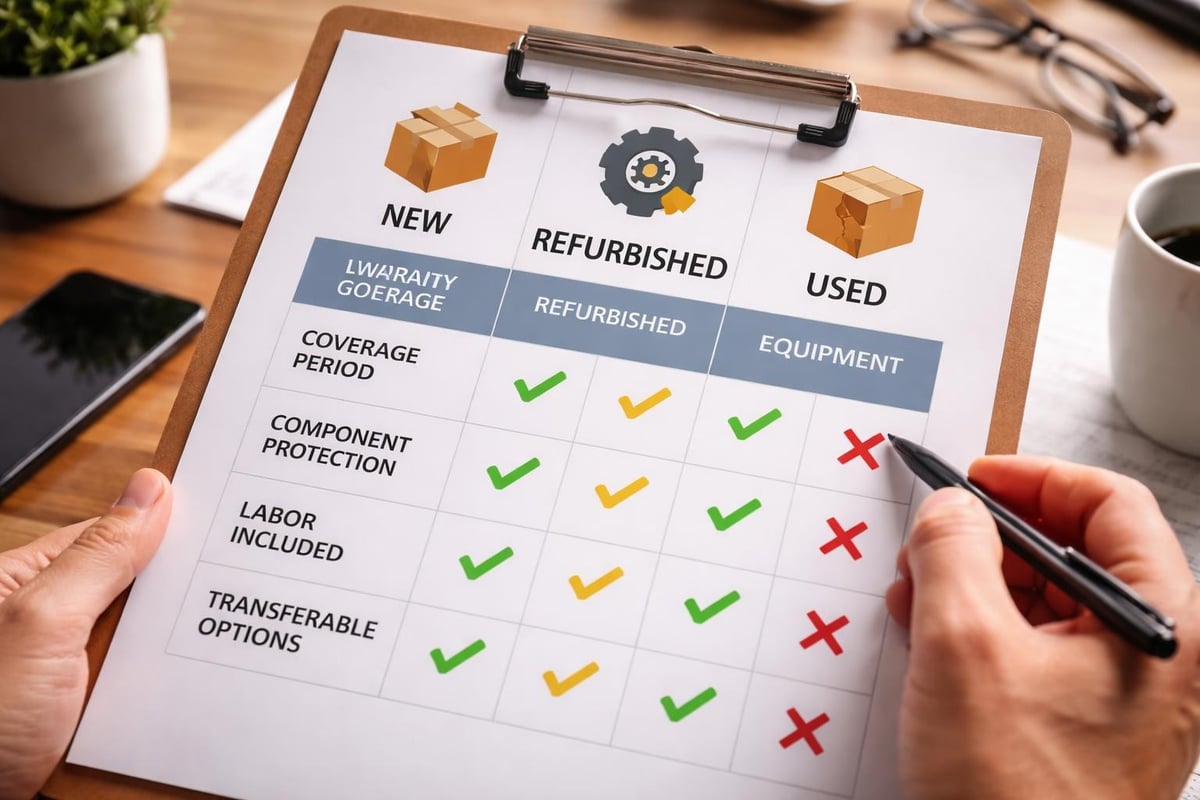
Let's talk about the safety net that makes buying refurbished exercise equipment less risky. Warranties on refurbished gear differ significantly from new equipment warranties, and understanding these differences helps you make informed decisions.
Standard refurbished warranties typically range from 90 days to one year, covering parts and labor for mechanical failures. This is shorter than the 3-5 year warranties common with new commercial equipment, but it's usually sufficient to catch any issues that weren't properly addressed during refurbishment.
Some sellers offer extended warranty purchases, similar to protection plans for refurbished electronics. These can make sense for expensive commercial-grade equipment, especially if you're outfitting a business where downtime equals lost revenue. For home use? Probably overkill unless you're buying a particularly complex or expensive machine.
Read the fine print carefully:
Keep all your documentation organized. Receipts, warranty cards, service records, and even photos of the equipment when it arrives can prove invaluable if you need to make a claim. Create a digital folder specifically for your gym equipment paperwork-future you will be grateful.
The sweet spot for refurbished exercise equipment often depends on whether you're buying for commercial or personal use. The calculation shifts dramatically based on your intended usage patterns and expectations.
For commercial gyms and studios, refurbished equipment represents a strategic investment opportunity. Key considerations for choosing refurbished gym equipment include expected usage hours, member safety concerns, and the importance of equipment reliability for business continuity. A machine that'll see 8-10 hours of daily use needs more rigorous vetting than one getting 30 minutes three times a week.
Commercial buyers should prioritize:
Home gym warriors have more flexibility. Since your equipment won't endure the pounding of dozens of daily users, you can often get away with mid-tier refurbishment quality and still enjoy years of reliable service. The risk tolerance is different when you're the only person using the machine and you can baby it a bit.
Even for home use, commercial-grade refurbished equipment often makes sense. These machines were built to withstand heavy use, meaning they've got more robust motors, sturdier frames, and better components overall. When you buy them refurbished, you're getting industrial-strength gear at consumer prices.
The weight capacity alone makes commercial equipment worth considering. A home-grade treadmill might max out at 250-300 pounds, while commercial models handle 400+ pounds easily. Even if you don't need that capacity now, it's nice to have headroom as you build strength or if other household members want to use it.
Choosing refurbished exercise equipment isn't just smart for your wallet-it's increasingly important for the planet we're all sharing. The fitness industry produces millions of tons of waste annually when equipment gets replaced, and much of that material is perfectly salvageable with proper refurbishment.
By 2026, sustainability consciousness has moved from "nice to have" to "essential consideration" for many consumers. When you buy refurbished, you're participating in the circular economy, extending product lifecycles, and reducing the demand for new manufacturing (which requires raw materials, energy, and transportation).
The carbon footprint difference is real:
Corporate buyers especially appreciate this angle. Outfitting a gym with refurbished equipment makes for great sustainability reporting and marketing. Your members or clients increasingly care about environmental responsibility, and demonstrating it through equipment choices resonates authentically.
Timing matters enormously in the refurbished exercise equipment market. Understanding seasonal patterns and industry cycles helps you land better deals without sacrificing quality.
January and September represent peak buying seasons as people commit to New Year's resolutions and back-to-school fitness goals. Paradoxically, these are often the best times to find refurbished inventory as refurbishment companies prepare for demand by processing equipment from gym upgrades and returns from the previous quarter.
Summer months (June through August) often see slower sales, prompting aggressive pricing on existing refurbished inventory. If you can wait until then to make your purchase, you might save an additional 10-20% compared to peak season prices.
Watch for these deal indicators:
Specialized refurbishment platforms often send email alerts when specific brands or models become available. Sign up for these notifications if you're hunting for particular equipment-it beats checking websites daily.
Unlike buying from big-box retailers, refurbished equipment sellers often have flexibility on pricing, especially for bulk purchases or when you're buying multiple pieces. Don't be afraid to ask for better pricing, particularly if you can point to comparable listings elsewhere.
Bundling works brilliantly. If you're buying a treadmill and an elliptical, ask about package pricing. Sellers would rather move two items to one customer than deal with separate sales, shipping, and potentially two warranty claims down the road.
Cash (or immediate payment) sometimes unlocks additional discounts. Credit card processing fees eat into margins, so sellers may reduce prices for customers paying via bank transfer or certified check. Just ensure you're working with reputable sellers before going this route.
Technology in exercise equipment evolves rapidly, and what's cutting-edge today might feel dated in a few years. When buying refurbished exercise equipment, consider how long the technology will remain relevant and supported.
Smart equipment presents unique challenges: Internet-connected machines with apps, virtual training, and streaming capabilities depend on ongoing software support. If you're buying refurbished smart equipment, verify that the manufacturer still actively supports that model with updates and server access. Nothing's sadder than a fancy treadmill with a dead touchscreen because the company discontinued support.
Standard mechanical equipment ages better. A quality refurbished barbell or weight bench from 2020 will function identically in 2030 if properly maintained. There's something to be said for simplicity when considering long-term value.
When exploring options at Brazyn Life, you'll find that innovative design doesn't have to mean complicated electronics. Sometimes the smartest fitness investments are elegant solutions that solve specific problems without relying on batteries, apps, or WiFi connections.
Refurbished exercise equipment offers a practical path to serious fitness gains without the financial pain of buying everything brand new. Whether you're building your dream home gym or outfitting a commercial space, smart purchasing decisions around refurbished gear let you allocate resources where they matter most. The team at Brazyn Life understands that modern fitness enthusiasts want quality, innovation, and portability-values that complement smart equipment choices whether you're going new, refurbished, or building the perfect hybrid setup for your unique needs.
