Your Cart is Empty


Setting up a home gym has become less of a "someday" dream and more of a "heck yes, I'm doing this" reality for millions of people. Whether you're tired of waiting for equipment at crowded gyms, want to squeeze in workouts between meetings, or just prefer exercising in your favorite old t-shirt without judgment, stationary gym equipment offers a solution that fits your lifestyle. The tricky part? Figuring out which pieces actually deserve precious real estate in your home and which will become expensive clothes hangers. Let's dive into everything you need to know about stationary gym equipment so you can build a space that actually gets used.
Here's the deal: stationary gym equipment refers to any fitness gear that stays in one spot during your workout. Unlike resistance bands or jump ropes that you can toss in a bag, this equipment is designed to anchor your training routine in a dedicated space.
The category includes everything from massive treadmills to compact weight benches. What they share is stability and structure. You're not carrying these babies to the park for an outdoor session.
Cardiovascular Machines:
Strength Training Equipment:
Free Weight Stations:
The beauty of modern stationary gym equipment is that manufacturers have gotten incredibly creative with space-saving designs. Multi-functional gym equipment has transformed how we think about home fitness setups.
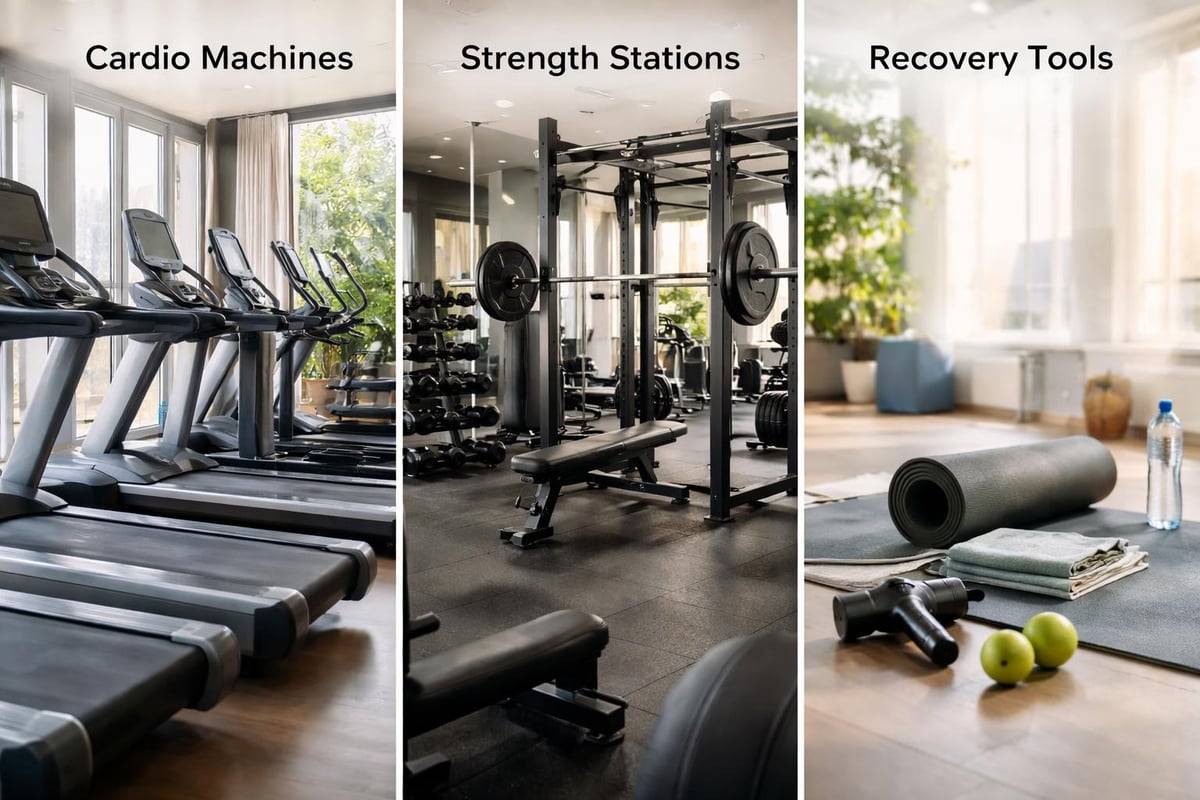
Real talk: most people overestimate how much equipment they actually need. Your Instagram feed might be full of elaborate garage gyms with every machine imaginable, but you don't need all that to get results.
Start by measuring your available space. Seriously, grab a tape measure right now. According to guidance from the American Academy of Orthopaedic Surgeons on selecting home exercise equipment, understanding your space constraints is the first critical step.
| Equipment Type | Minimum Floor Space | Clearance Needed |
|---|---|---|
| Treadmill | 7' x 3' | 2' on sides, 6' behind |
| Stationary Bike | 4' x 2' | 1' on all sides |
| Weight Bench | 6' x 3' | 3' on all sides |
| Power Rack | 8' x 6' | 2' on all sides |
| Rowing Machine | 9' x 2' | 1' on sides |
Don't forget about ceiling height! Nothing kills your workout vibe faster than smacking your hands on the ceiling during an overhead press. Most strength equipment needs at least 8 feet of clearance.
Here's a smart approach:
The workout equipment guide at Brazyn Life emphasizes versatility, especially for people who need their gear to adapt to different spaces and situations.
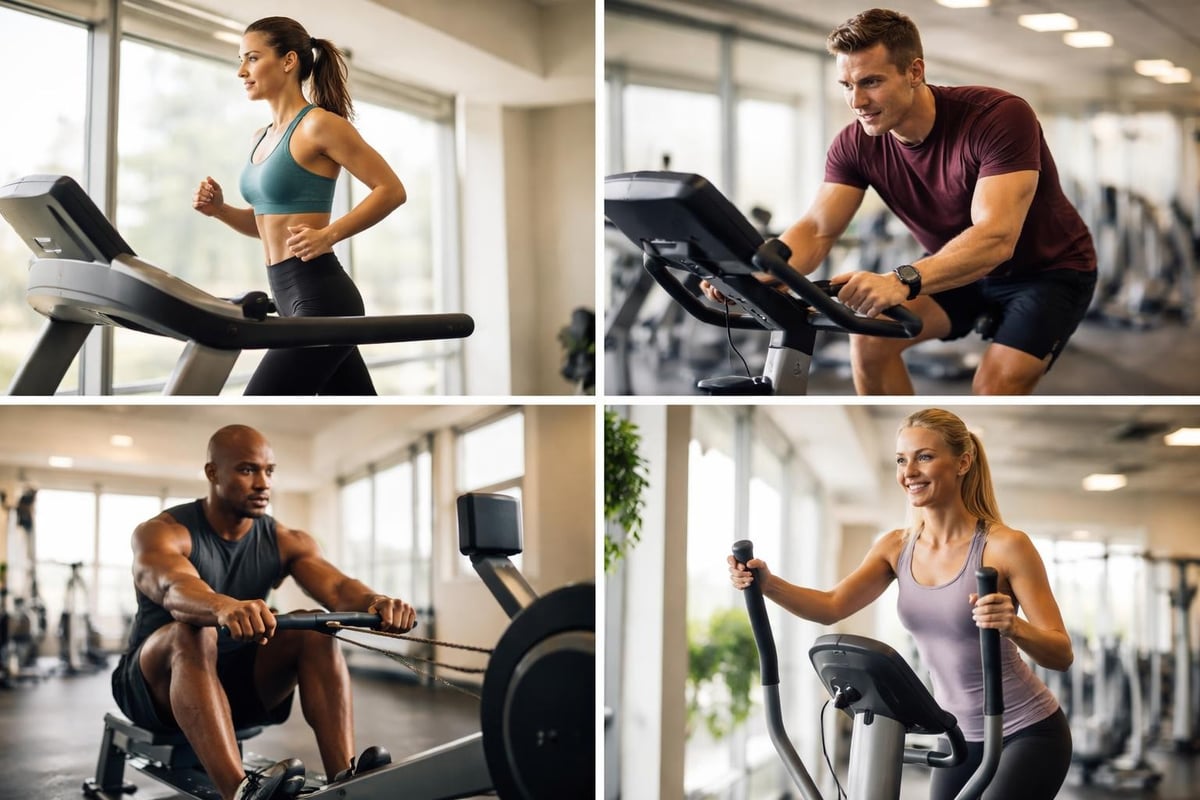
Let's settle this once and for all: which cardio machine deserves your hard-earned cash and floor space? Each has its superfans and haters, but the best choice depends on your specific needs.
Treadmills remain the most popular stationary gym equipment for cardio. They're straightforward, effective, and let you run regardless of weather. Modern models fold up when not in use, though they're still hefty.
Pros:
Cons:
Stationary bikes offer a joint-friendly alternative that's perfect for multitasking. Want to catch up on your favorite show while exercising? A bike makes it happen.
| Machine | Calories/Hour | Joint Impact | Noise Level | Average Cost |
|---|---|---|---|---|
| Treadmill | 600-900 | High | Loud | $800-$2500 |
| Stationary Bike | 400-600 | Low | Quiet | $300-$1500 |
| Elliptical | 500-700 | Very Low | Moderate | $500-$2000 |
| Rowing Machine | 600-800 | Low | Moderate | $400-$1800 |
Rowing machines have exploded in popularity recently, and for good reason. They provide a full-body workout that engages your legs, core, and upper body simultaneously. Plus, many models fold vertically for storage.
Ellipticals split the difference between treadmills and bikes. They deliver a low-impact cardio workout that feels more engaging than a stationary bike but easier on your knees than running.
If building muscle or increasing strength tops your priority list, stationary gym equipment designed for resistance training becomes essential. The good news? You don't need a commercial gym's worth of gear to see serious results.
A quality adjustable weight bench serves as the foundation for countless exercises. You can use it for dumbbell presses, rows, step-ups, and dozens of other movements. When evaluating benches, stability matters more than fancy features.
Look for these key features:
Power racks and squat stands open up the world of barbell training. These stationary gym equipment pieces let you safely perform squats, bench presses, and overhead presses without a spotter. The built-in safety catches can literally save your life if you fail a rep.
Essential considerations:
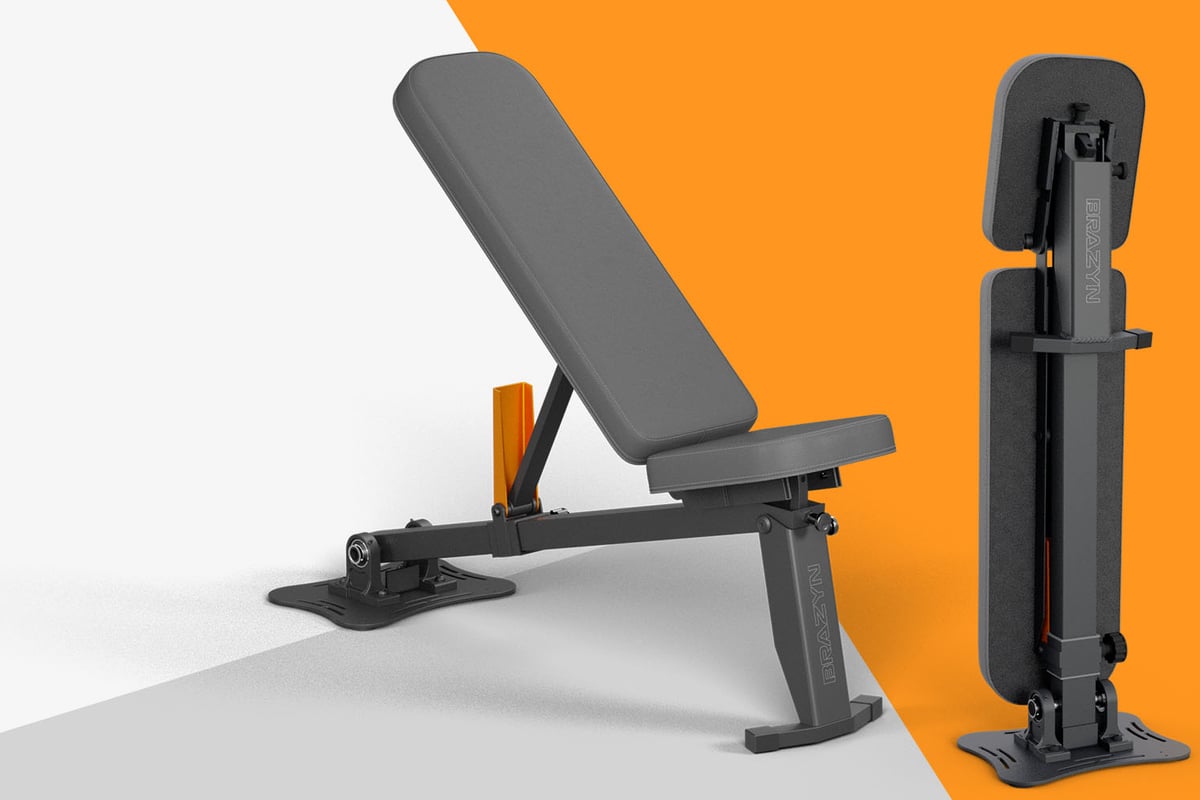
When space is tight, a wall-mounted folding rack might be your best friend. These ingenious designs fold against the wall when not in use, reclaiming your floor space for other activities. Speaking of space-saving solutions, the FLiPBENCH revolutionizes how we think about home workout equipment by providing full incline and decline bench functionality while occupying just one square foot when stored. It's perfect for anyone who wants premium workout capability without sacrificing their entire living space.
Walk into any gym and you'll find passionate advocates on both sides of this argument. The truth? Both have legitimate advantages depending on your situation.
Free weights (dumbbells, barbells, kettlebells) require more stabilization and coordination. This engages smaller supporting muscles and generally provides more functional strength. However, they also come with a steeper learning curve and higher injury risk if you use poor form.
Stationary gym equipment like cable machines and fixed-path strength stations offer built-in stability. They're excellent for isolating specific muscles and make it easier to maintain proper form. The downside? They're expensive and take up considerable space.
| Workout Goal | Free Weight Option | Machine Alternative |
|---|---|---|
| Chest Development | Dumbbell Bench Press | Cable Crossovers |
| Leg Strength | Barbell Squats | Leg Press Machine |
| Back Training | Barbell Rows | Seated Cable Rows |
| Shoulder Work | Dumbbell Press | Machine Shoulder Press |
Most home gym owners find success with a combination approach. A solid set of adjustable dumbbells paired with one versatile machine or cable system covers most bases.
Quality matters tremendously with free weights. According to information from Alibaba's guide to choosing gym equipment, certifications, warranties, and manufacturing standards should influence your purchasing decisions.
Here's what nobody tells you when you're shopping for stationary gym equipment: recovery tools might deliver more bang for your buck than another weight machine. Seriously.
Foam rollers, massage tools, and stretching stations help prevent injury, reduce soreness, and improve performance. Yet most people skip this category entirely until they're already hurt.
Modern recovery doesn't require stationary gym equipment at all. Portable solutions like collapsible foam rollers give you professional-grade recovery anywhere. The Morph Foam Roller exemplifies this evolution, delivering full foam roller functionality while folding completely flat for easy storage and transport.
Recovery essentials to consider:
Don't underestimate how much better you'll feel incorporating dedicated recovery time. Your joints, muscles, and future self will thank you.
Nobody wants to think about cleaning and maintaining their stationary gym equipment, but neglecting this aspect leads to premature wear and potential safety issues. The UN's guidelines on gym equipment maintenance emphasize regular cleaning and inspection schedules.
Weekly maintenance tasks:
Treadmills need special attention. The belt and deck require periodic lubrication to prevent excessive wear. Most manufacturers recommend lubricating every 3-6 months depending on usage frequency.
Weight benches and power racks need less frequent maintenance but still deserve regular inspection. Check welded joints, bolts, and padding for any signs of damage or wear.
| Equipment Type | Quarterly Task | Annual Task |
|---|---|---|
| Cardio Machines | Belt tension check | Professional service |
| Weight Benches | Hardware tightening | Vinyl conditioning |
| Power Racks | Safety pin function | Structural inspection |
| Cable Systems | Cable condition check | Complete cable replacement |
Keeping maintenance logs helps you stay on schedule and can be valuable if you ever need warranty service. Take photos of any issues that develop.
The stationary gym equipment landscape has transformed dramatically with connected technology. Today's machines track metrics, stream classes, and even adjust resistance automatically based on your performance.
Popular smart features include:
Peloton bikes revolutionized home cardio by combining hardware with engaging content subscriptions. Now nearly every major manufacturer offers some version of connected fitness experiences.
But here's the catch: many smart features require ongoing subscription fees ranging from $12 to $44 monthly. Calculate these costs over several years before committing. That "affordable" bike might cost thousands more than you initially thought.
Consider whether you'll actually use the smart features or if you're paying for bells and whistles that'll sit idle. Some people thrive with digital coaching and community competition. Others just want to put in their headphones and zone out.
The fitness equipment industry analysis from Pro Market Reports shows continued growth in both traditional and smart-connected equipment categories, suggesting room for both approaches.
Let's address the elephant in the room: quality stationary gym equipment costs serious money. A fully equipped home gym can easily run $5,000 to $15,000 or more. But you don't need to drop that much cash at once.
Start with essentials that support your primary fitness goals. If you love running, invest in a solid treadmill. If strength training excites you, prioritize a weight bench and adjustable dumbbells.
Money-saving approaches:
Quality used stationary gym equipment represents exceptional value if you know what to look for. Commercial-grade equipment from closing gyms often costs pennies on the dollar. Just inspect carefully for wear, test all functions, and factor in delivery costs.
Tips from Ask.com on ensuring quality when purchasing gym equipment emphasize researching brands and inspecting before buying, especially crucial for used gear.
| Phase | Timeframe | Budget | Recommended Purchases |
|---|---|---|---|
| Foundation | Month 1-3 | $500-$1000 | Adjustable dumbbells, basic bench, resistance bands |
| Expansion | Month 4-6 | $800-$1500 | Cardio machine OR power rack |
| Optimization | Month 7-12 | $500-$1000 | Secondary cardio OR additional weights |
| Enhancement | Year 2+ | As desired | Specialty equipment, upgrades |
This phased approach lets you spread costs while building a functional gym you'll actually use. You'll also learn what you truly need versus what looked cool online.
The real secret to successful home gyms isn't having the most stationary gym equipment. It's using what you have creatively and consistently. A simple weight bench supports literally hundreds of different exercises when combined with free weights.
Get creative with positioning and angles. An adjustable bench at different inclines completely changes the muscle engagement of the same movement. Your flat bench press becomes an incline press or decline press by adjusting one setting.
Combine equipment in circuits to maximize efficiency. Jump from your rowing machine to your weight bench to kettlebell swings without rest. This approach delivers incredible cardiovascular and strength benefits simultaneously.
Circuit training example:
This single workout uses multiple pieces of stationary gym equipment but delivers full-body training in under 30 minutes. Efficiency wins every time.
The Fitness Gear Authority provides creative workout ideas and equipment combinations to maximize your investment.
Even if you've got a dedicated room for your home gym, smart space planning makes everything better. Poor layout leads to inefficient workouts and equipment you avoid using because it's inconvenient to access.
Create functional zones for different workout types. Cardio machines near windows or entertainment screens. Free weight area with proper flooring and mirrors. Stretching and recovery space with mats and rollers.
Pro layout tips:
Mirrors serve multiple purposes beyond vanity. They help you check form during exercises and make small spaces feel larger. Position mirrors strategically to monitor your technique from different angles.
Flooring deserves serious consideration. Rubber mats protect your floors from dropped weights and reduce noise transmission. They also provide better traction and comfort during floor exercises.
You've found the perfect stationary gym equipment at an amazing price. Before clicking "buy," dig into the warranty details. This stuff matters more than most people realize.
Quality manufacturers stand behind their products with comprehensive warranties. Cheap equipment often comes with limited coverage that expires right when things start breaking.
Key warranty components:
Read the fine print carefully. Some warranties become void if you don't use authorized service technicians or if you move the equipment. Others require annual professional servicing to maintain coverage.
According to the global fitness equipment industry analysis, warranty terms and customer service quality increasingly influence purchasing decisions as consumers become more educated.
Research the manufacturer's service reputation before buying. Check reviews specifically mentioning warranty claims and customer support experiences. A great warranty means nothing if the company ignores your emails.
Building a home gym with the right stationary gym equipment transforms how you approach fitness, making workouts more convenient and consistent. Whether you're investing in cardio machines, strength stations, or recovery tools, choosing pieces that fit your space, goals, and budget ensures you'll actually use them. Ready to upgrade your training game with innovative, space-saving solutions that go anywhere you do? Brazyn Life specializes in portable fitness gear designed for modern athletes who refuse to compromise on quality or convenience, perfect for complementing your home gym setup or taking your recovery routine on the road.
