Your Cart is Empty


Let's be real: if you've ever tried to walk down stairs the day after leg day, you know the struggle is real. That peculiar waddle, the strategic use of handrails, the questioning of every life choice that led to those squats. But what if there was a simple tool that could help you bounce back faster and actually enjoy your active lifestyle without feeling like a creaky door hinge? Enter the athletic roller, your new best friend in the battle against muscle soreness and tightness. This isn't just another fitness fad gathering dust in your closet (we're looking at you, ab roller from 2015). The athletic roller has become a cornerstone of recovery routines for everyone from weekend warriors to professional athletes, and for good reason.
You might be thinking, "Isn't a foam roller just a foam roller?" Well, technically yes, but also absolutely not. An athletic roller is specifically designed with the demands of active individuals in mind. We're talking about tools engineered to withstand serious use, provide targeted pressure, and actually deliver results.
Traditional foam rollers often fall short in a few key areas. They might be too soft, offering about as much therapeutic benefit as rolling on a pool noodle. Or they're the right density but awkwardly sized, making them impossible to travel with unless you're willing to strap them to your backpack like some kind of fitness nomad.
Density matters more than you think. A proper athletic roller needs to maintain its shape under pressure while still providing enough give to be comfortable. Too soft, and you're not getting effective myofascial release. Too hard, and you'll tap out before you've even finished one muscle group.
Here's what separates the champions from the bench warmers:
Let's talk about why this cylindrical piece of foam (or sometimes hollow, more on that later) actually works. The science is pretty fascinating, and understanding it might just motivate you to use your athletic roller more consistently.
When you use an athletic roller, you're performing what's called self-myofascial release (SMR). Fancy term, simple concept: you're basically giving yourself a deep tissue massage. Your fascia, the connective tissue surrounding your muscles, can get tight and knotted from exercise, poor posture, or just existing in 2026. Research on foam roller effectiveness has shown significant improvements in ankle mobility and lower limb stability, particularly in athletes who incorporate regular rolling into their routines.
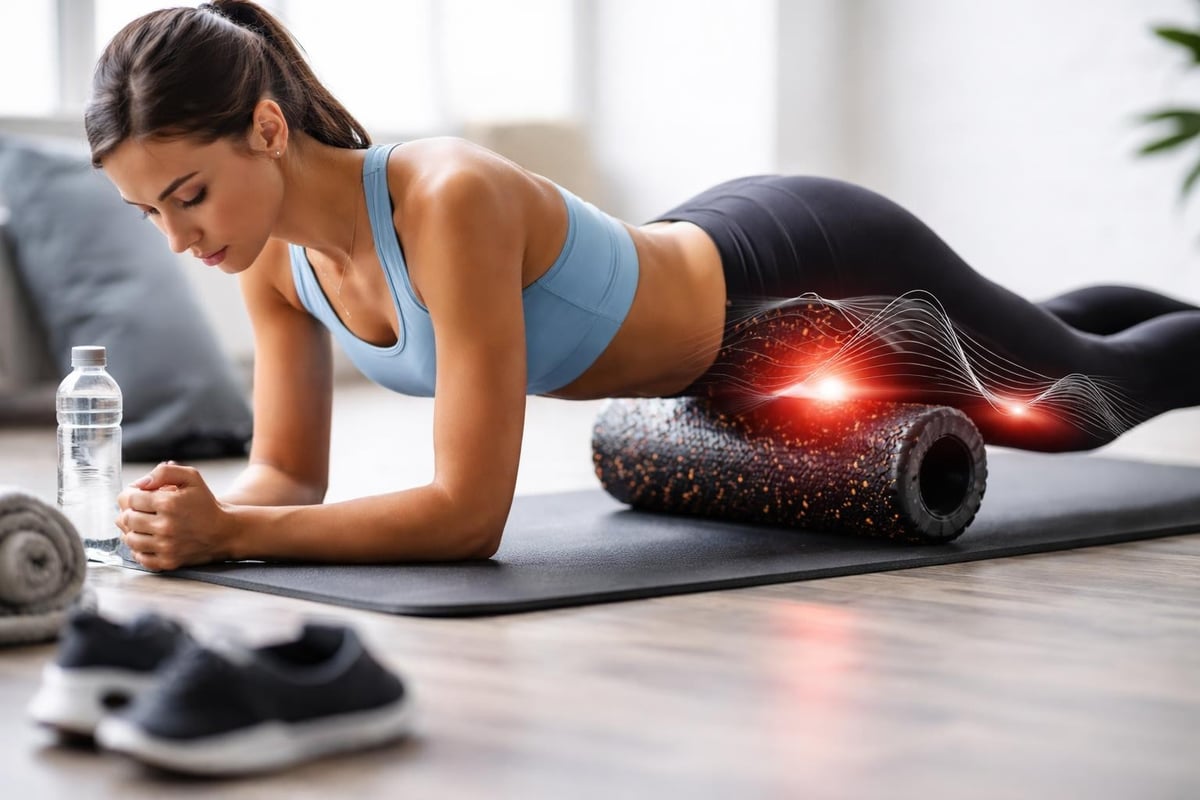
The benefits extend way beyond just feeling good (though that's definitely a perk). Here's what's actually happening under your skin:
| Benefit | Mechanism | Timeline |
|---|---|---|
| Reduced muscle soreness | Increased blood flow and waste removal | 24-48 hours post-workout |
| Improved flexibility | Fascia release and lengthening | Immediate and cumulative |
| Better circulation | Compression and release effect | During and after use |
| Injury prevention | Identifying and addressing tight spots | Ongoing with regular use |
According to experts at the University of Utah, regular use can improve joint mobility and muscle relaxation, making it an essential tool for anyone serious about their fitness.
Okay, so you've got your athletic roller. Now what? Just rolling back and forth like you're making human sushi isn't going to cut it. There's actually technique involved, and mastering it makes all the difference between "meh" results and "wow, I can move again!" results.
The golden rule: slow and steady wins the race. We're not in a rush here. Think of it like this: you wouldn't speed through a deep tissue massage, so don't speed through your rolling session either.
Following NASM's structured approach can transform your rolling game:
Pro tip: Breathe. Seriously. Holding your breath creates more tension, which defeats the entire purpose. Deep, controlled breathing helps your muscles relax into the pressure.
Let's get specific. Different muscle groups require different approaches, and knowing how to target each area effectively is crucial for getting the most out of your athletic roller sessions.
Your legs take a beating whether you're running, cycling, lifting, or just chasing after life. These exercises from Muscle & Fitness experts are game-changers:
Quadriceps Roll
IT Band Relief
Calf Therapy
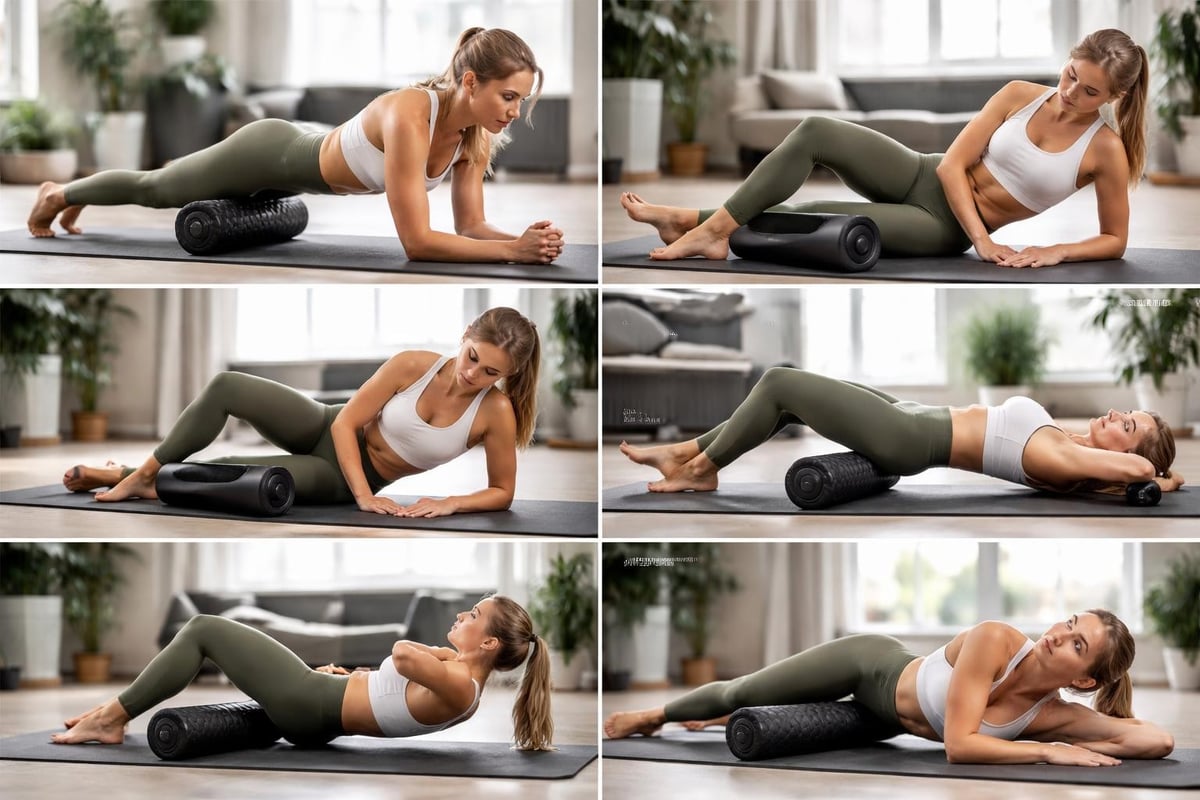
Don't neglect your upper half! These areas hold tension like it's their job (which, anatomically speaking, kind of is).
Here's where things get interesting. Traditional athletic rollers have one major flaw: they're about as portable as a small log. Sure, you can travel with them, but they're taking up serious real estate in your bag.
The fitness industry has evolved (thank goodness), and now you can get the same benefits without sacrificing half your suitcase space. This is where innovation meets practicality, and honestly, it's about time.
Modern athletic rollers can now fold, collapse, or compress without losing their structural integrity or effectiveness. We're living in the future, folks. The Morph Collapsible Foam Roller exemplifies this innovation perfectly, folding flat for easy packing but providing the same firm support as traditional rollers when expanded. It's like having a full-size athletic roller that transforms into something you can actually fit in your gym bag.
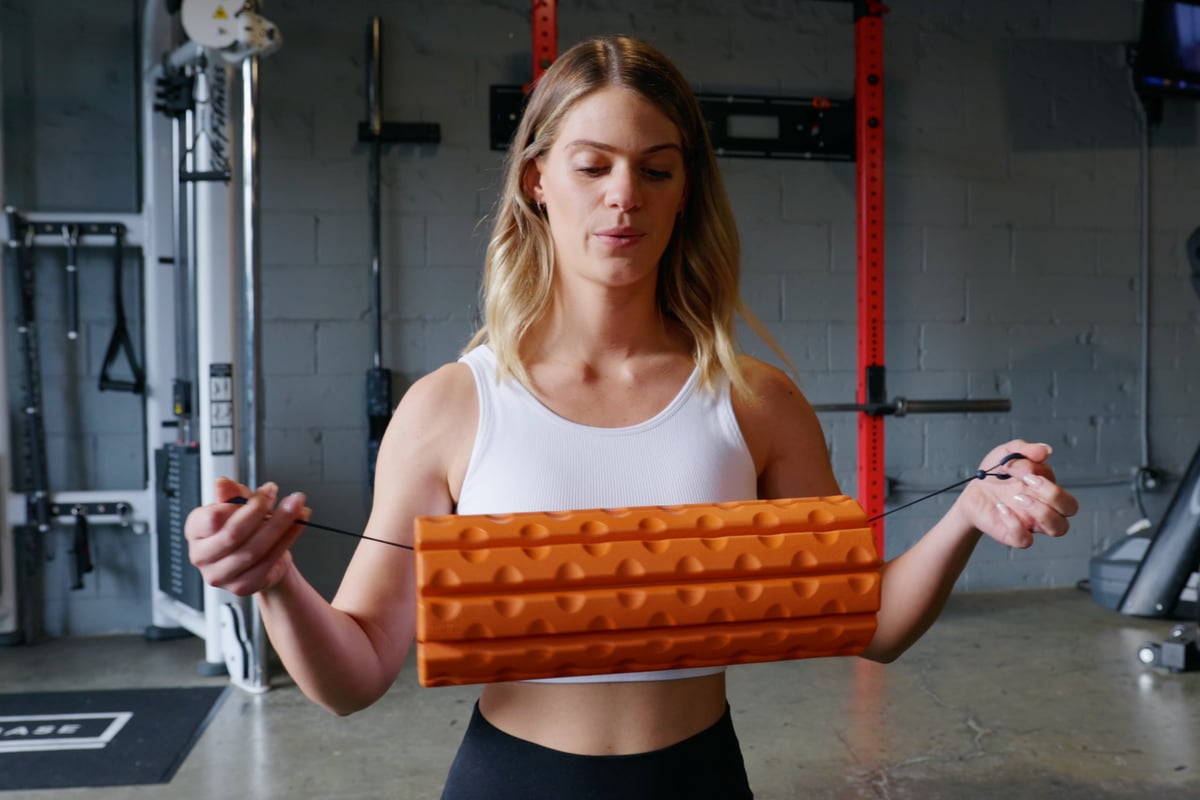
This kind of design innovation means you can maintain your recovery routine whether you're at home, at the gym, or traveling for work or competition. No more excuses about not having your roller with you.
Let's talk about what NOT to do, because honestly, some of the mistakes people make can actually do more harm than good. And nobody has time for that.
Rolling too fast is probably the most common error. This isn't a race. You're not trying to set a speed record. The effectiveness comes from sustained pressure, not rapid movement. Slow down, take your time, and actually let your fascia release.
Skipping warmup is another rookie move. Your muscles need to be at least somewhat warm before you start applying pressure. A quick 5-minute walk or some dynamic stretching prepares your body for the work ahead.
Some body parts should never meet your athletic roller:
How often should you use your athletic roller? The answer is beautifully flexible, depending on your activity level, recovery needs, and schedule.
Pre-workout rolling should be brief and dynamic, about 5-10 minutes focused on the muscle groups you'll be using. This isn't the time for deep, sustained pressure. Think of it as waking up your muscles and improving range of motion before you ask them to perform.
Post-workout rolling is where you can really dig in (literally). Spend 15-20 minutes addressing the areas you just worked. Research on foam rolling benefits suggests this timing can significantly reduce delayed onset muscle soreness (DOMS).
Here's a practical framework that works for most active individuals:
| Training Intensity | Pre-Workout | Post-Workout | Off Days |
|---|---|---|---|
| Light (2-3 days/week) | 5 minutes | 10-15 minutes | Optional |
| Moderate (4-5 days/week) | 5-10 minutes | 15-20 minutes | 10-15 minutes |
| Intense (6-7 days/week) | 10 minutes | 20-30 minutes | 15-20 minutes |
Your athletic roller is fantastic, but it's even better when it's part of a comprehensive recovery strategy. Think of it as the lead singer in your recovery band, backed up by other talented instruments.
Massage guns have exploded in popularity (pun intended), and for good reason. They provide percussive therapy that complements the sustained pressure of rolling. Use your athletic roller for broad sweeping movements and larger muscle groups, then follow up with a massage gun for pinpoint precision on stubborn knots.
Stretching and rolling are perfect partners. The athletic roller helps release tight fascia, which then allows you to stretch more effectively. Static stretching after rolling can help lock in those mobility gains.
Building an effective recovery routine might look like this:
For those looking to maximize their home gym setup, exploring multi-functional gym equipment can help create a complete recovery and training environment.
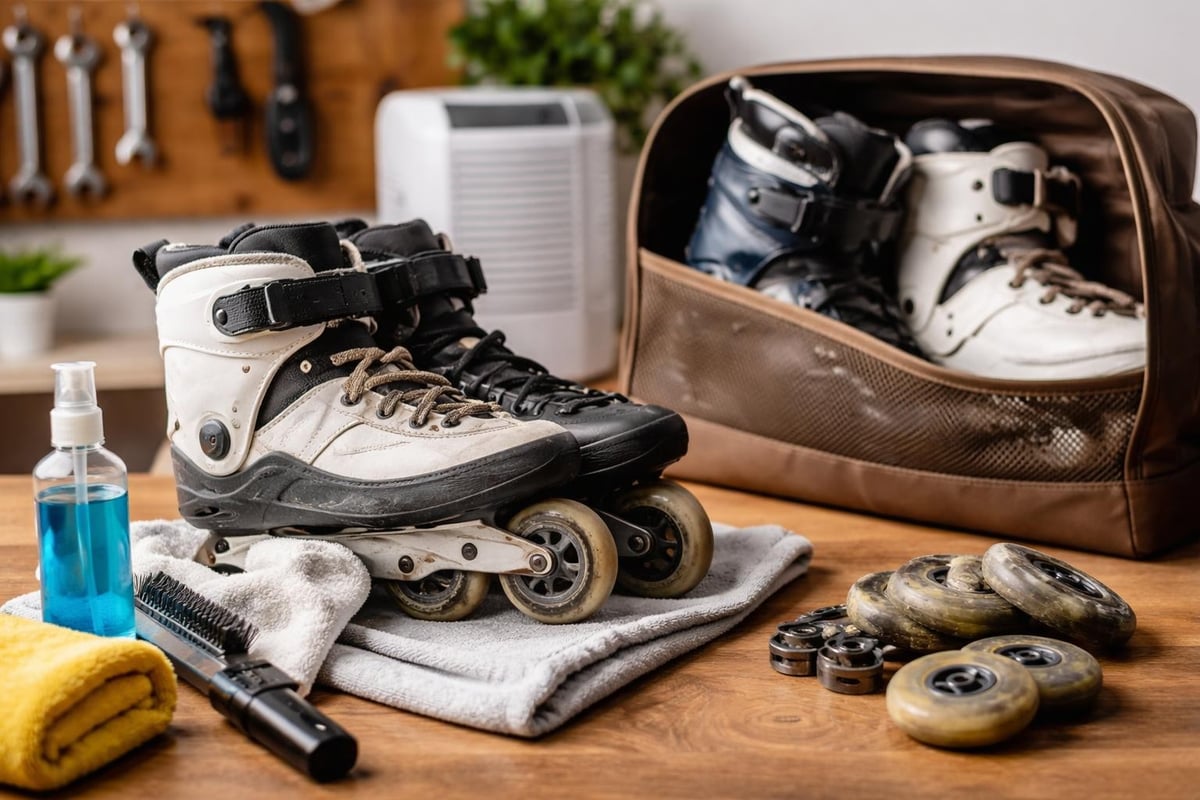
Let's keep your athletic roller in fighting shape so it can keep you in fighting shape. These tools are pretty low maintenance, but a little care goes a long way toward extending their lifespan.
Cleaning should happen regularly, especially if you're using your roller directly on skin or sweaty clothes (let's be honest, we all do). A simple solution of mild soap and water works perfectly. Wipe down after each use and do a deeper clean weekly. Avoid harsh chemicals that can break down foam materials.
Storage matters more than you might think. Keep your athletic roller in a cool, dry place away from direct sunlight. UV rays can degrade foam over time, and extreme temperatures can affect density and firmness.
Even the best athletic roller won't last forever. Watch for these red flags:
Most quality athletic rollers should last 1-3 years with regular use, though portable workout equipment designed with durability in mind can often exceed this timeline.
Not all athletes are created equal, and neither are their rolling needs. Your sport, training intensity, and body type all influence how you should approach athletic roller use.
Runners often develop tight IT bands, calves, and hip flexors. According to video demonstrations for runners, focusing on these areas can improve speed and flexibility while reducing injury risk.
Weightlifters need to address muscle density and tightness from heavy loads. Quads, glutes, and upper back typically require the most attention, often with firmer pressure than other athletes might use.
Desk athletes (yes, you count too) battle different demons: tight hip flexors from sitting, upper back tension from keyboard work, and generally reduced mobility from prolonged static positions. Your athletic roller routine should emphasize hip openers and thoracic spine mobility.
Beginners should start gentle. Your body needs time to adapt to the pressure, and going too hard too fast can leave you more sore than your actual workout. Start with 30 seconds per muscle group and gradually increase.
Older athletes might need modified techniques, potentially using softer density rollers or adjusting pressure by controlling how much body weight they apply. The benefits of foam rolling for mobility are accessible at any age with proper modification.
Professional athletes and their trainers have been hip to athletic rollers for years, and their protocols can teach us regular folks a lot. These aren't just nice-to-haves in elite training facilities, they're essential recovery tools.
Many professional sports teams now have dedicated recovery rooms stocked with athletic rollers of various sizes and densities. Athletes are encouraged (sometimes required) to spend time rolling before and after training sessions. The benchmark physical therapy approach emphasizes reducing lactic acid buildup, which is crucial for athletes training at high volumes.
Professional athletes understand that recovery is training. The time spent on an athletic roller isn't downtime, it's investment in their next performance. This mindset shift is valuable for athletes at every level.
Consistency beats intensity when it comes to rolling. Professionals don't just roll when they're sore; they roll to prevent becoming sore in the first place. This proactive approach to recovery keeps them ready for the demands of their sport.
Individual customization matters. What works for one athlete might not work for another, even in the same sport. Professionals work with trainers to identify their specific tight spots and develop personalized rolling routines.
Creating a sustainable rolling routine requires more than just good intentions. You need a plan, and ideally one that doesn't feel like another chore on your already packed schedule.
Start small and scale up. Commit to just 5 minutes a day for the first week. That's it. Make it so easy you'd feel silly not doing it. Once it becomes habit, gradually increase duration and intensity.
Link it to existing habits. The best way to build a new habit is to attach it to something you already do consistently. Roll while watching your favorite show, right after you brush your teeth in the morning, or immediately before bed.
Here's a framework you can customize based on your training:
Monday (Post-leg day): 15 minutes focusing on quads, hamstrings, glutes Tuesday (Active recovery): 10 minutes full-body maintenance Wednesday (Post-upper body): 15 minutes back, chest, shoulders Thursday (Pre-workout): 5 minutes dynamic rolling on planned workout areas Friday (Post-full body): 20 minutes comprehensive rolling session Saturday (Light maintenance): 10 minutes addressing any tight spots Sunday (Deep session): 30 minutes thorough full-body rolling
The athletic roller space continues to evolve with impressive innovations. We've moved from basic foam cylinders to sophisticated recovery tools that combine portability, effectiveness, and durability in ways that seemed impossible just a few years ago.
Smart rollers with built-in sensors are emerging, providing feedback on pressure, duration, and technique. While still relatively niche, this technology could revolutionize how we approach self-myofascial release.
Material science improvements mean rollers that maintain their density longer, resist moisture better, and provide more consistent pressure across their surface. The difference between a 2020 athletic roller and a 2026 version is actually pretty significant.
Modular designs allow athletes to customize their rolling experience, adjusting length, density, and surface texture based on specific needs. This personalization trend reflects the broader movement toward individualized fitness solutions.
Whether you're a seasoned athlete or just starting your fitness journey, incorporating an athletic roller into your routine can dramatically improve your recovery, mobility, and overall performance. The science backs it up, professionals swear by it, and your muscles will thank you for it. Ready to level up your recovery game? Brazyn Life offers innovative, portable solutions designed for active individuals who refuse to compromise on quality or convenience, making it easier than ever to roll anywhere, anytime.
