Your Cart is Empty


If you've ever hobbled out of physical therapy with a colorful foam cylinder tucked under your arm, you're already familiar with the magic of the pt foam roller. This deceptively simple tool has become the unofficial mascot of recovery rooms everywhere, and for good reason. Whether you're rehabbing an injury, working through chronic tightness, or just trying to survive leg day, understanding how physical therapists use foam rollers can transform your recovery game. Let's dive into everything you need to know about this cylindrical superhero of the fitness world.
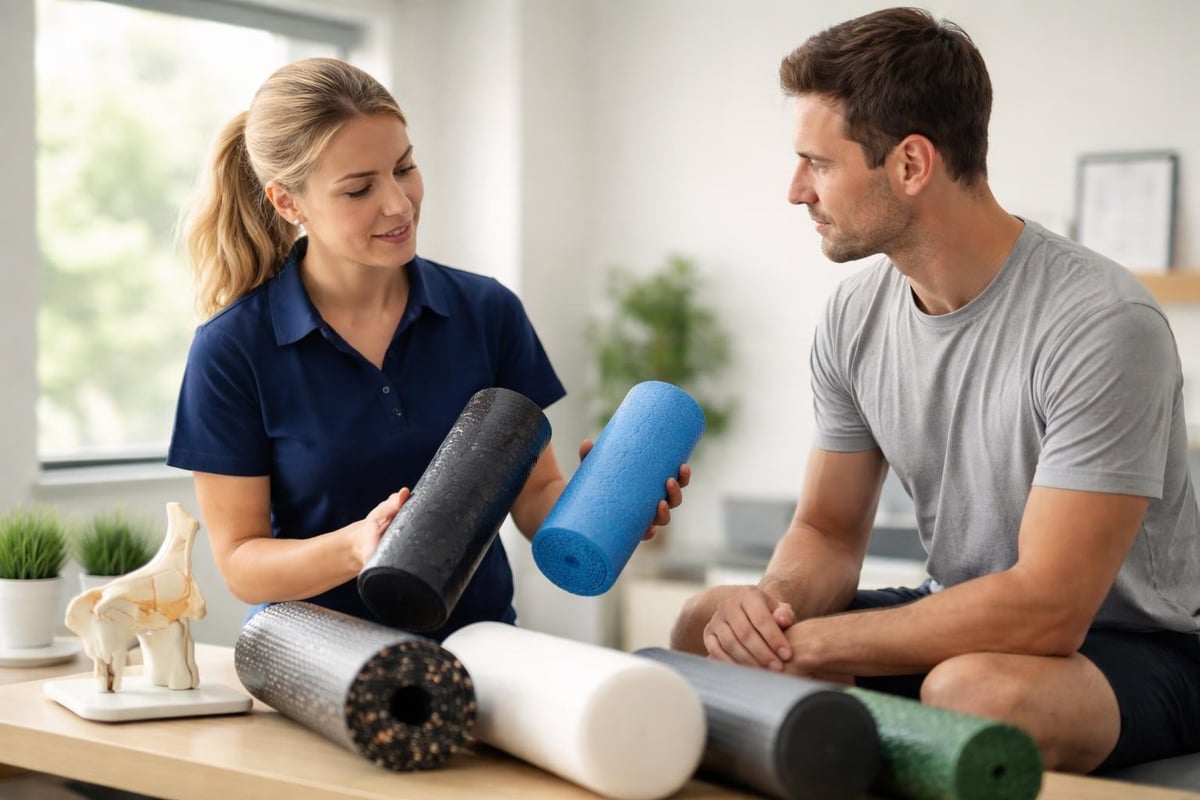
When physical therapists hand you a foam roller, they're not just giving you random gym equipment. A pt foam roller represents a carefully considered recovery tool backed by years of clinical experience and research. Unlike the foam roller collecting dust in your basement, the ones used in PT settings are selected for specific therapeutic purposes.
The key differences include:
Physical therapists choose foam rollers based on your individual needs, injury history, and recovery goals. According to research published in scientific journals, foam rolling can significantly enhance recovery after intense physical activity, making it a staple in evidence-based PT practices.
The foam roller your PT recommends might feel firmer than what you'd pick yourself, and that's intentional. Therapists know that while softer rollers feel more comfortable initially, medium to firm density rollers deliver better therapeutic results for most conditions.
Here's where things get fascinating. When you roll over tight muscles with a pt foam roller, you're not just mashing tissue around randomly. You're engaging a process called self-myofascial release (SMR), which sounds fancy but basically means you're giving yourself a deep tissue massage.
Your muscles are wrapped in fascia, a connective tissue that can get sticky, tight, and knotted up like last year's Christmas lights. Foam rolling applies sustained pressure to these adhesions, helping to:
The ACE Physical Therapy Institute explains that foam rollers serve multiple therapeutic functions, from enhancing flexibility to improving circulation. When your PT shows you specific techniques, they're leveraging this science to address your particular movement dysfunctions.
What's really cool is that foam rolling doesn't just work on the mechanical level. It also affects your nervous system, helping to calm down overactive muscles that might be compensating for weakness elsewhere.
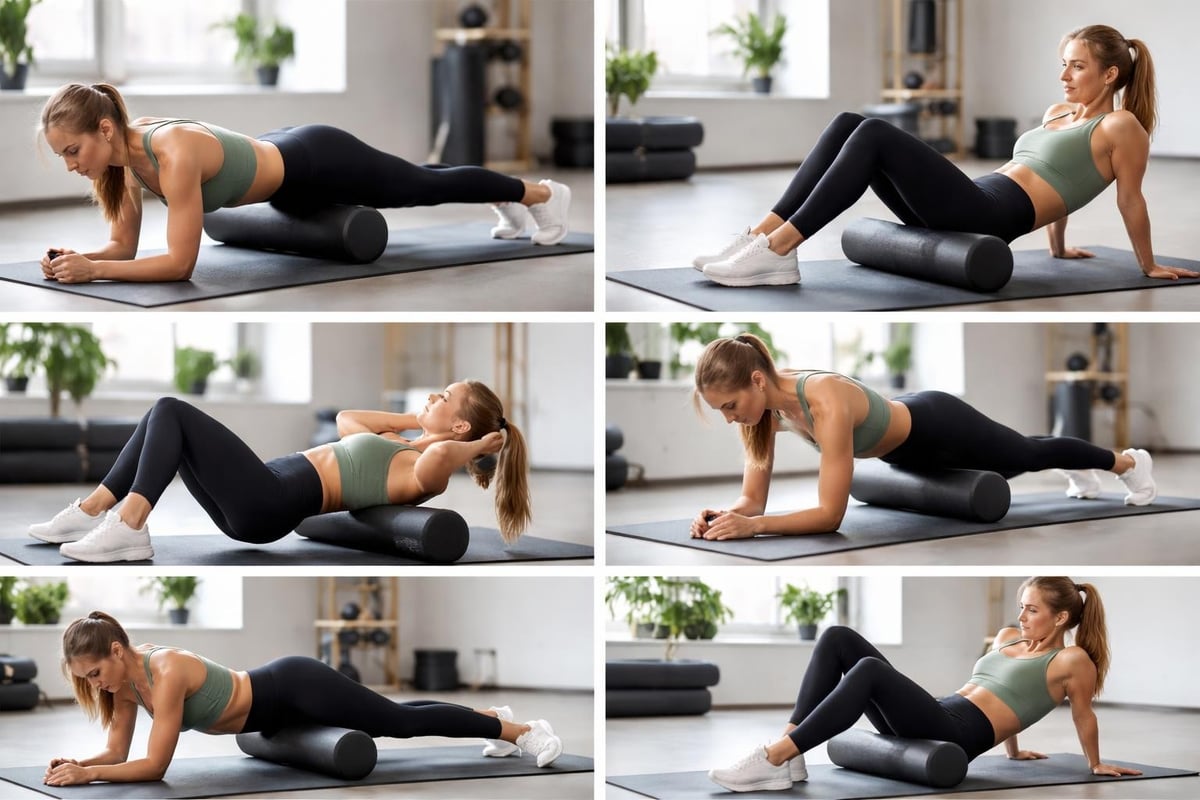
Physical therapists don't just tell you to "go roll." They teach specific techniques that maximize therapeutic benefits while minimizing the risk of doing more harm than good. Let's break down the methods that separate effective foam rolling from just rolling around on the floor.
This is the foundation of PT-recommended foam rolling. Instead of zooming back and forth like you're trying to put out a fire, you move at a glacial pace, about one inch per second.
Proper technique involves:
This advanced method combines static pressure with active movement. You find a particularly gnarly spot, hold pressure there with the pt foam roller, then move the associated joint through its range of motion.
For example, if you're working on your IT band (that notorious strip of connective tissue running down your outer thigh), you'd hold pressure on a tender spot while flexing and extending your knee. This technique is especially effective for stubborn adhesions that laugh in the face of regular rolling.
The physical therapist's guide at SB Physio offers excellent demonstrations of these techniques across different muscle groups, emphasizing the importance of proper form and controlled movements.
Even with the best intentions, people manage to turn foam rolling into an extreme sport. Physical therapists spend a surprising amount of time correcting these common blunders that can actually make things worse.
| Mistake | Why It's Bad | PT-Approved Fix |
|---|---|---|
| Rolling too fast | Triggers protective muscle guarding | Slow to 1 inch per second |
| Rolling directly on joints | Can damage ligaments and tendons | Stay on muscle bellies only |
| Rolling for too long | Causes bruising and inflammation | Limit to 60 seconds per area |
| Holding your breath | Increases muscle tension | Breathe rhythmically throughout |
| Rolling acute injuries | Can worsen inflammation | Wait 48-72 hours post-injury |
One of the biggest mistakes? Treating your pt foam roller like a medieval torture device. If you're grimacing like you're passing a kidney stone, you're pushing too hard. Physical therapists aim for a "hurts so good" sensation, rating around 5-6 out of 10 on the discomfort scale. Anything beyond that activates your protective reflexes, which defeats the whole purpose.
Another rookie error is rolling your lower back directly. Your spine is not a railroad track, and your foam roller is not a train. PTs recommend rolling the muscles next to your spine (the erector spinae and lats) but never the vertebrae themselves. Check out these foam rolling exercises from OrthoBethesda for proper technique demonstrations.
Physical therapists have favorite spots to foam roll based on what they see most often in their practices. These areas tend to be chronically tight in modern humans who sit too much, exercise incorrectly, or just have the misfortune of living in 2026 with terrible posture.
Let's address the elephant in the room: IT band rolling is controversial. Some PTs swear by it, others think it's about as useful as yelling at traffic. The IT band is a thick, fibrous piece of connective tissue that doesn't really "release" the way muscles do.
However, rolling near the IT band can help by:
Your quadriceps are foam rolling gold. These four muscles love to get tight, especially if you sit a lot or do activities like running, cycling, or stair climbing. A pt foam roller works wonders here because you can easily control the pressure by adjusting how much body weight you apply.
This is where foam rolling gets really interesting. Physical therapists often use rollers to improve upper back extension, which most of us desperately need. You lie on the roller perpendicular to your spine, support your head, and gently extend over it. This technique can be life-changing if you're a desk jockey with the posture of a question mark.
The Hospital for Special Surgery's guide provides comprehensive instructions for whole-body foam rolling that physical therapists frequently recommend to patients.
Your physical therapist doesn't hand you a foam roller and send you into the wild without a plan. They integrate it strategically into your overall rehabilitation or performance program, and timing matters more than you might think.
Before Exercise: Light foam rolling (30-60 seconds per muscle group) can prime your nervous system and improve range of motion for your workout. Think of it as warming up your tissues without creating fatigue.
After Exercise: This is prime time for more thorough foam rolling sessions (60-90 seconds per area). Your muscles are warm, pliable, and ready to receive those sweet, sweet myofascial release benefits.
| Day | Focus Area | Duration | Intensity |
|---|---|---|---|
| Monday | Lower body (post-workout) | 10-15 min | Moderate |
| Tuesday | Upper body and back | 8-10 min | Light |
| Wednesday | IT band and hip complex | 10-12 min | Moderate |
| Thursday | Active recovery rolling | 5-8 min | Light |
| Friday | Full body pre-workout | 8-10 min | Light |
| Weekend | Problem areas as needed | Variable | Moderate |
Physical therapists often recommend incorporating foam rolling into your home workout routine, especially when you can't make it to the clinic for hands-on treatment.
Not all foam rollers are created equal, and your PT probably has strong opinions about which type you should use. The market is flooded with options ranging from basic foam tubes to high-tech vibrating contraptions that cost more than your gym membership.
Standard foam rollers come in 12, 18, and 36-inch lengths. Your PT might recommend:
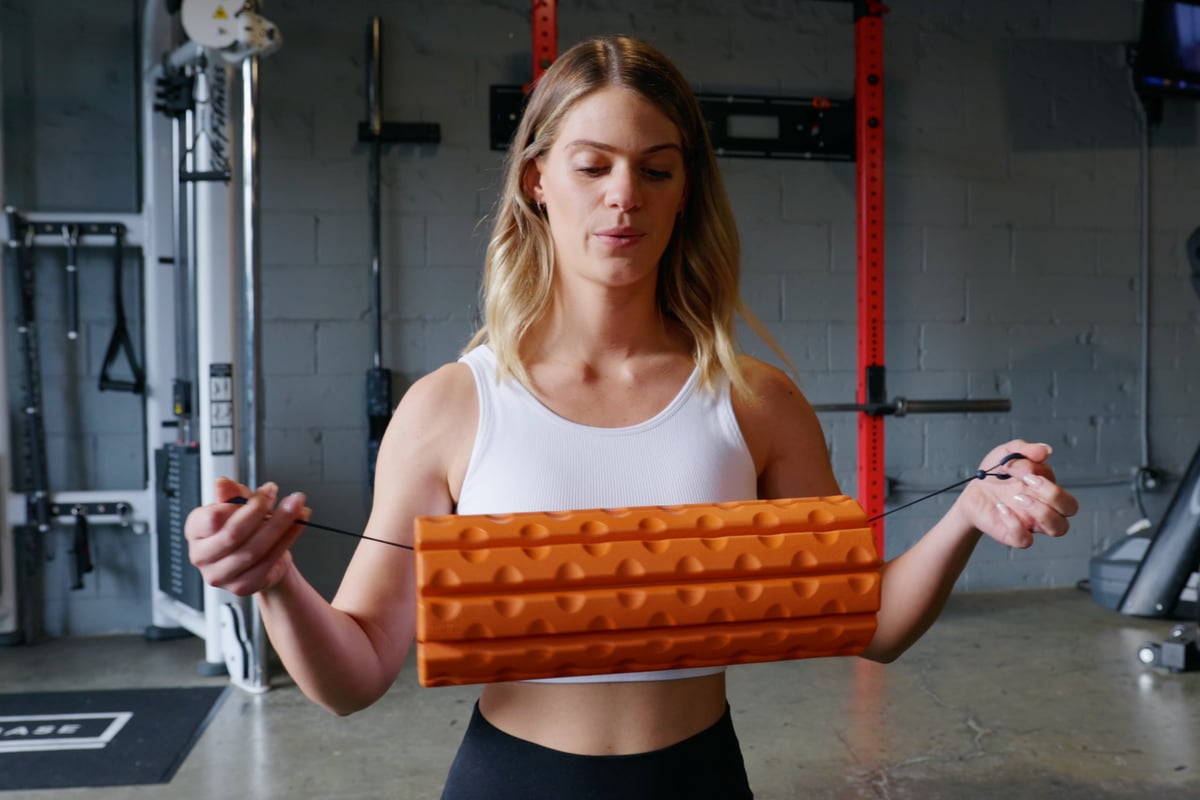
If you're someone who travels frequently or wants a foam roller that won't dominate your living space, collapsible options have revolutionized the portability game. The ability to pack a full-size roller flat into your luggage or gym bag changes everything about maintaining your recovery routine on the go.
The Morph Foam Roller brings together the functionality physical therapists recommend with the portability modern life demands, making it easier to stick with your PT-prescribed foam rolling routine whether you're at home, at the gym, or traveling for work.
Once you've mastered the basics, physical therapists can introduce more sophisticated applications that take your recovery to the next level. These techniques often surprise people who thought foam rolling was just about mashing muscles.
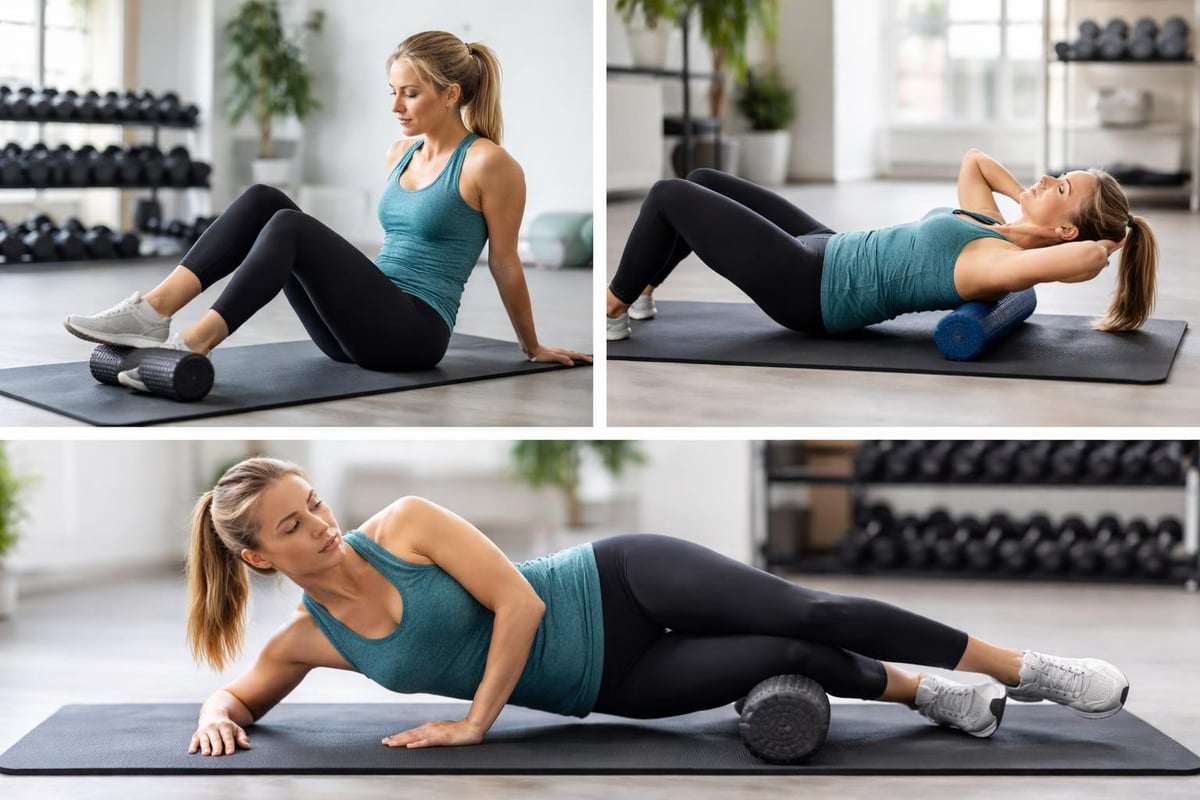
This involves performing movements while positioned on the roller. For example, you might do mini crunches while the roller supports your lower back, or perform leg circles while your hamstring is on the roller. These dynamic movements combine mobility work with neuromuscular control training.
Popular dynamic exercises include:
While general foam rolling is great, sometimes you need to get specific. Physical therapists identify trigger points (those nasty knots that make you see stars when pressed) and use sustained pressure with the pt foam roller to release them.
The technique involves finding the tender spot, applying moderate pressure for 30-60 seconds, and waiting for the muscle to soften. This requires patience and body awareness, but the results can be remarkable. Tom's Guide's collection of foam roller exercises includes several trigger point techniques that physical therapists commonly prescribe.
Physical therapists customize foam rolling protocols based on your specific condition or injury. What works for plantar fasciitis won't be the same approach for shoulder impingement, and generic advice can only take you so far.
For that stabbing heel pain that makes your first morning steps feel like walking on glass, PTs often recommend rolling the bottom of your foot over a smaller, firmer roller (or even a lacrosse ball). The protocol typically involves:
If you have the rounded shoulders and forward head posture that screams "I work at a computer," foam rolling becomes part of a comprehensive correction strategy. Your PT will likely prescribe:
Yes, foam rolling can play a role even in post-op recovery, though timing and technique are critical. PTs introduce gentle rolling only after appropriate healing has occurred and always avoid the surgical site directly. The goal is to maintain mobility in surrounding areas and prevent compensatory tightness.
The best pt foam roller in the world won't help you if it's gathering dust in your closet. Physical therapists know that consistency beats intensity, and they're experts at helping patients build sustainable recovery habits that actually stick.
Not a morning person? Neither are most people, but starting your day with five minutes of foam rolling can set a positive tone and reduce stiffness. Focus on:
After you've crushed your workout, spend 10-15 minutes showing your muscles some love. Hit the major muscle groups you just trained, spending extra time on areas that feel particularly tight or fatigued.
Evening foam rolling can be surprisingly relaxing and help improve sleep quality. Keep intensity light and focus on longer, slower rolls that activate your parasympathetic nervous system. Think meditation with a foam roller.
Many people find success by keeping their foam roller visible and accessible, perhaps next to the TV or in a high-traffic area of their home. The fitness equipment you choose should support your lifestyle, not complicate it.
While foam rollers are fantastic, physical therapists rarely rely on just one tool. They often combine foam rolling with other modalities to maximize results and address different aspects of recovery.
These handheld tools offer more control than foam rollers for certain areas. Your PT might recommend using a massage stick for:
If you're interested in exploring massage stick options, they make an excellent complement to your foam rolling routine.
Smart physical therapists combine thermal therapy with foam rolling. A common protocol involves:
Here's the thing: foam rolling is not a standalone solution. Your PT prescribes it as part of a comprehensive program that includes stretching (to increase muscle length) and strengthening (to support proper movement patterns). The three work synergistically to create lasting change.
The internet is full of foam rolling advice that makes physical therapists want to scream into their pt foam roller. Let's bust some common myths that might be sabotaging your recovery.
Myth #1: "You need to roll until you can't feel pain anymore"
False! Pain reduction during a single session doesn't mean you've "fixed" anything. Chasing complete pain elimination often leads to overworking tissues and creating more inflammation.
Myth #2: "Foam rolling removes toxins from your muscles"
Your liver and kidneys handle detoxification, not your foam roller. This myth persists, but there's no scientific evidence that foam rolling "releases toxins." It does increase circulation, which helps with waste removal through normal physiological processes.
Myth #3: "The more you foam roll, the better"
More is not always better. Excessive foam rolling can actually cause tissue damage, similar to overtraining. Physical therapists recommend targeted, consistent sessions over marathon rolling sessions.
Myth #4: "Foam rolling can replace stretching"
Nope. While foam rolling can improve short-term flexibility, it doesn't create the same adaptations as proper stretching. You need both in your routine.
Myth #5: "All pain during rolling is good pain"
There's productive discomfort and then there's "your body is screaming at you to stop" pain. Sharp, shooting, or extreme pain during foam rolling indicates you're doing something wrong or targeting an inappropriate area.
For evidence-based information, resources like OPTP's comprehensive guide and Life Extension's foam roller exercises provide scientifically sound advice that aligns with what physical therapists actually recommend.
As we move through 2026, foam rolling continues to evolve beyond the simple foam cylinders of years past. Physical therapists now have access to vibrating rollers, app-connected devices that guide sessions, and materials that better mimic the feel of hands-on manual therapy.
Emerging trends include:
However, the fundamental principles haven't changed. A pt foam roller is still about applying controlled pressure to soft tissue in ways that promote recovery, reduce pain, and improve movement quality. The delivery mechanisms might get fancier, but the underlying science remains solid.
Physical therapists continue to research optimal rolling parameters, exploring questions like ideal pressure levels, session duration, and frequency for different conditions. As this evidence base grows, protocols become more refined and personalized.
The perfect foam rolling routine is the one you'll actually do consistently. Physical therapists excel at helping patients find realistic, sustainable approaches that fit into their actual lives, not some idealized version where everyone has unlimited time and motivation.
Focus on efficiency. Target 2-3 problem areas for 60-90 seconds each rather than trying to roll your entire body. Quality over quantity wins here.
Build foam rolling into existing routines rather than treating it as an additional task. Roll while watching TV, talking on the phone, or during commercial breaks. Make it automatic rather than something requiring decision-making energy.
Prioritize post-activity rolling when your muscles are warm and receptive. Even five minutes after your Saturday morning basketball game can significantly reduce next-day soreness and improve recovery for your next session.
The key is experimenting to find what works for your body, schedule, and goals. Your physical therapist can provide the framework, but you're the one who has to make it happen day after day. Start small, stay consistent, and adjust based on what you notice about your body's responses.
The pt foam roller has earned its place in physical therapy clinics and home gyms worldwide because it delivers real results when used properly. By applying the techniques, avoiding the mistakes, and building sustainable routines that physical therapists recommend, you'll maximize the therapeutic benefits while minimizing the risk of doing more harm than good. Whether you're working through an injury, preventing future problems, or just trying to move better through your daily life, the right approach to foam rolling can make a significant difference. Ready to take your recovery seriously? Brazyn Life offers innovative, portable foam rolling solutions designed for people who refuse to compromise on their recovery routine, whether they're at home, at the gym, or somewhere in between chasing their next adventure.
